The Hidden Consequences of a Meat Diet | Sadhguru
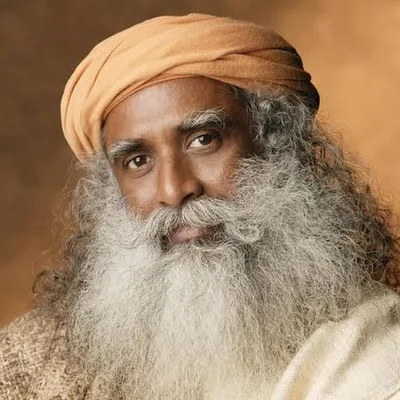
Why It Matters
Understanding the hidden impact of meat on human biology encourages healthier, more sustainable dietary choices, influencing consumer demand and food industry strategies.
Key Takeaways
- •Eating animal flesh gradually aligns human traits with animals.
- •Evolutionary distance suggests plants are the safest dietary choice.
- •Fish, as earliest mobile life, is the least harmful animal option.
- •Consuming complex memory foods reduces our ability to transcend instincts.
- •Sadhguru cites Mahavir’s ancient warning about meat consumption.
Summary
In a recent talk, Sadhguru explores the subtle but profound effects of a meat‑based diet, arguing that consuming animal flesh gradually reshapes human physiology and consciousness to mirror that of the animal consumed.
He frames the argument in terms of cellular memory, suggesting that every cell carries a memory imprint that is reinforced by the type of food ingested. The farther a food source is from our own evolutionary lineage, the less it contaminates that imprint. Consequently, plants occupy the most distant point, while fish—being the earliest form of mobile life—represent the least invasive animal option.
Sadhguru quotes the ancient sage Mahavir: “If you eat the flesh of an animal, you will slowly become like an animal,” emphasizing that the transformation is gradual, not immediate. He also notes that even an apple and a chicken share the same cellular memory foundation, but the complexity of animal tissue makes it harder to “superimpose” human consciousness upon it.
The implication for consumers and the food industry is clear: shifting toward plant‑based or at least aquatic protein can mitigate the hidden physiological and psychological costs of meat consumption, aligning dietary habits with evolutionary health and emerging market demand for sustainable nutrition.
Comments
Want to join the conversation?
Loading comments...