
Why It Matters
The AI‑centric model could slash aerospace operating costs and set a new efficiency benchmark, while also raising questions about labor displacement in a traditionally high‑skill sector.
Key Takeaways
- •Astra generated $50 million revenue in 2025 from electric thrusters.
- •Company reduced staff from 400 to 110 after going private.
- •All enterprise software replaced by internally built AI-driven tools.
- •Engineers must contribute code daily or face termination.
- •CEO aims to increase output tenfold using AI and automation.
Pulse Analysis
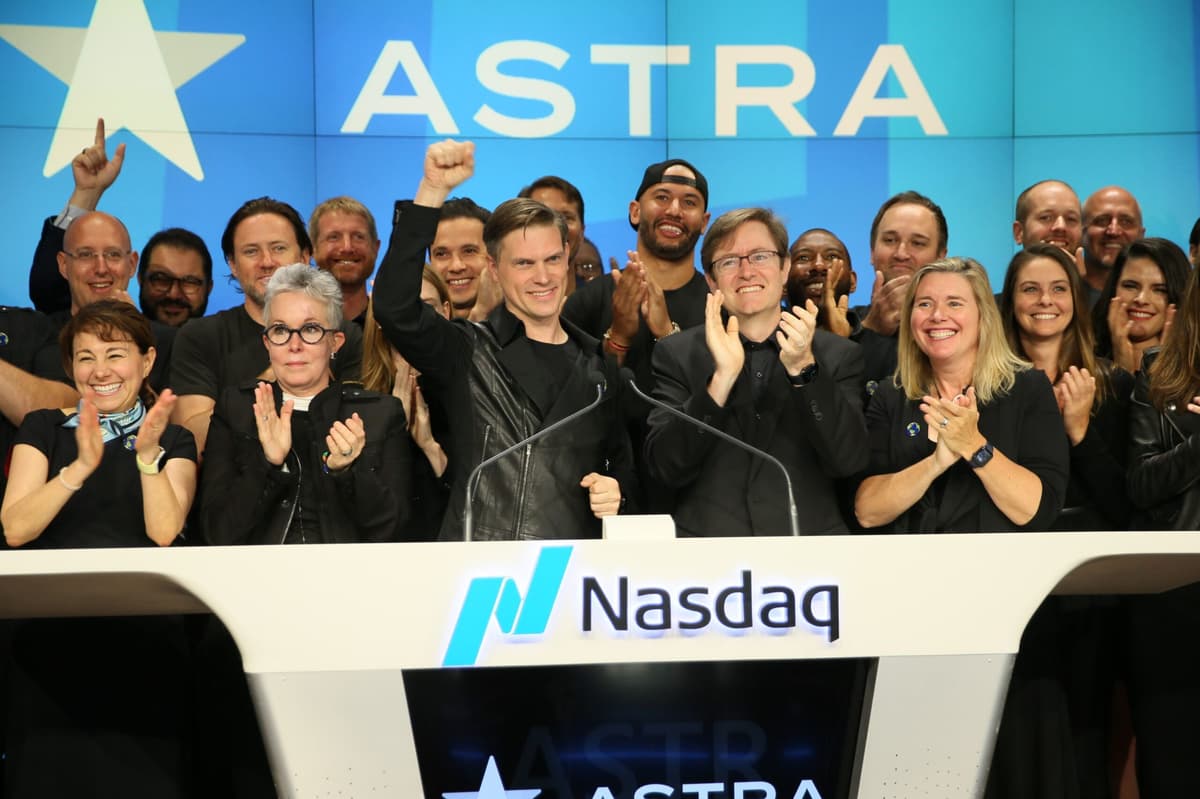
Astra’s pivot from a public SPAC darling to a privately held, AI‑driven aerospace firm reflects a broader trend of cost‑focused restructuring in capital‑intensive industries. After a series of Rocket 3 launch failures, the company’s valuation collapsed, prompting founders Chris Kemp and Adam London to buy it back at a fraction of its former market cap. The modest $50 million revenue from thruster sales in 2025 provides a cash runway, but the real story is the strategic bet on artificial intelligence to rebuild the business from the ground up.
The AI overhaul is radical: Astra has discarded all third‑party enterprise software, opting instead to develop a proprietary AI model that ingests budgets, specifications, and engineering documents. Every employee is now required to write or improve code daily, with non‑compliance resulting in termination. This policy aims to accelerate productivity tenfold, leveraging AI to rewrite work instructions, catch design errors, and automate manufacturing steps. By shrinking the staff base from roughly 400 to 110, Astra hopes to drive its cost structure toward near‑zero, positioning the Rocket 4 as a competitively priced launch vehicle.
If successful, Astra could become a template for how space firms achieve scale without the traditional labor overhead. Industry observers note that AI‑enabled single‑employee billion‑dollar companies are no longer speculative, as highlighted by Anthropic’s CEO. However, the high‑risk nature of rocket engineering means that over‑reliance on automation may introduce new failure modes. Investors will watch closely to see whether Astra’s AI‑first approach delivers reliable launches and sustainable margins, potentially reshaping the economics of the commercial space market.
All in on AI at Astra
Comments
Want to join the conversation?
Loading comments...