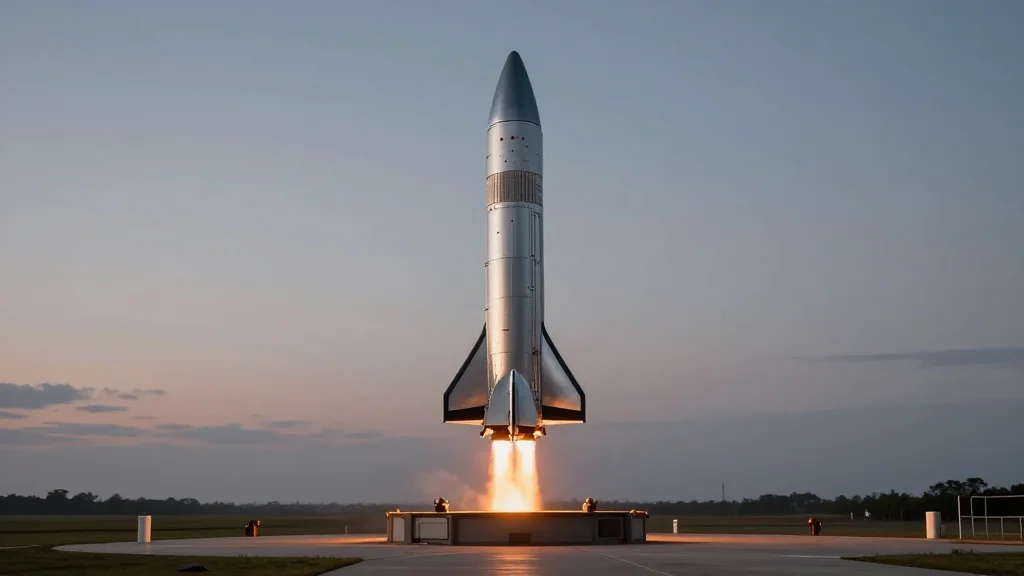
Blue Origin’s New Glenn Rocket Explodes in Ground Test, Threatening Artemis Timeline

Companies Mentioned


Why It Matters
The New Glenn explosion strikes at a pivotal moment for U.S. lunar ambitions. NASA’s Artemis program depends on reliable commercial launch partners to deliver landers, cargo, and eventually crew to the Moon’s south pole. A prolonged outage at Blue Origin could force NASA to reshuffle its launch manifest, potentially delaying the first sustainable lunar outpost and increasing reliance on SpaceX, which may affect competition and pricing in the emerging lunar‑transport market. Additionally, the incident highlights the technical challenges of scaling methane‑fueled engines, a technology that many next‑generation launch systems are adopting. Beyond Artemis, the damage to Launch Complex 36 reduces the United States’ overall launch cadence. With a limited number of heavy‑lift pads on the East Coast, any reduction in capacity can ripple through commercial satellite deployments, defense launches, and scientific missions, tightening an already competitive launch market.
Key Takeaways
- •New Glenn rocket exploded during a hot‑fire test at Launch Complex 36 on May 29, 2026.
- •The seven BE‑4 engines produce 4.5 million pounds of thrust; the blast damaged the only New Glenn launch pad.
- •Jeff Bezos said the company will rebuild and resume flights, but timelines are uncertain.
- •NASA’s Artemis lunar‑landing schedule could slip from 2028 to 2029 if New Glenn remains grounded.
- •Potential knock‑on effects for United Launch Alliance’s Vulcan rocket, which uses BE‑4 engines.
Pulse Analysis
Blue Origin’s setback is a textbook case of how a single technical failure can cascade through an entire national space strategy. Historically, NASA has mitigated such risks by maintaining a diversified launch portfolio—first with the Space Shuttle, then with multiple commercial partners for the Commercial Crew Program. The Artemis era was supposed to replicate that model, but the reliance on just two heavy‑lift providers—SpaceX and Blue Origin—creates a binary risk. If Blue Origin’s New Glenn remains offline for an extended period, NASA may be forced to accelerate Starship’s development or resurrect legacy vehicles, both of which carry cost and schedule penalties.
From a market perspective, the incident could accelerate consolidation among launch service providers. Investors may view Blue Origin’s capital‑intensive approach as riskier, especially given Jeff Bezos’s willingness to absorb large losses but also his limited appetite for prolonged delays that could erode market share. Conversely, the damage to the launch pad could open opportunities for private pad operators or for the U.S. Air Force to invest in additional infrastructure, diversifying the launch ecosystem.
Finally, the explosion underscores the technical maturity gap for methane propulsion. While BE‑4 promises higher performance and reusability, its operational track record is still nascent. A failure at the engine‑ignition phase suggests that the industry still has to master the high‑pressure, cryogenic fuel handling required for reliable operation. The lessons learned here will likely inform not only Blue Origin’s redesign but also the broader shift toward methane‑based launch systems worldwide.
Blue Origin’s New Glenn Rocket Explodes in Ground Test, Threatening Artemis Timeline
Comments
Want to join the conversation?
Loading comments...