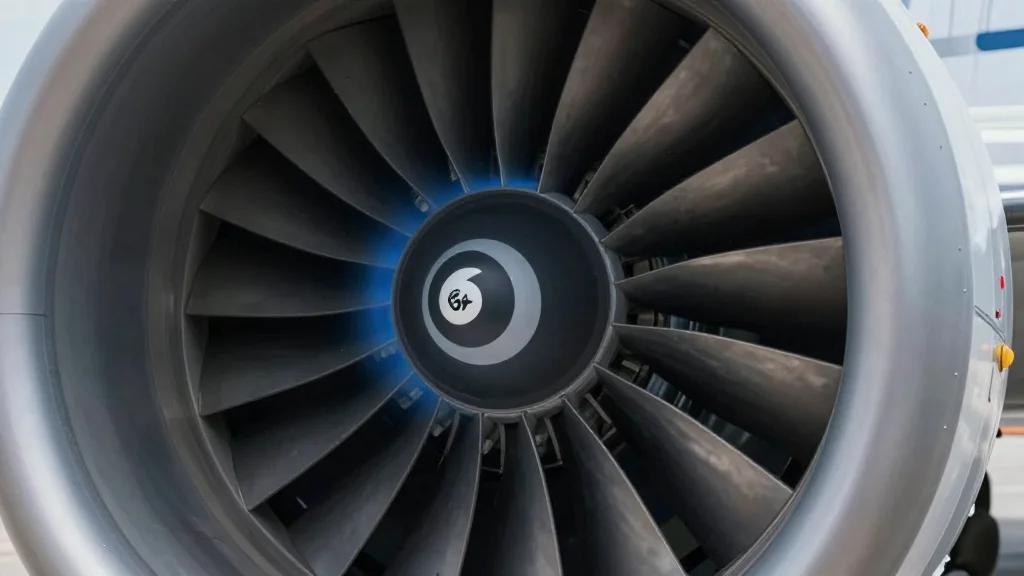
GE Aerospace and HAL Advance Joint F414 Jet Engine Production in India

Why It Matters
The GE‑HAL engine partnership directly addresses India's strategic objective of achieving self‑sufficiency in critical defence technologies. By bringing the F414 engine production home, the Indian Air Force can accelerate the induction of Tejas Mk2 squadrons, enhancing its combat readiness amid regional security challenges. For the global aerospace market, the deal illustrates a growing trend of technology transfer agreements that enable emerging powers to develop indigenous capabilities while providing established OEMs access to new customers and production capacity. Beyond the immediate military benefits, the collaboration is likely to stimulate India's broader aerospace supply chain, creating high‑skill jobs and fostering ancillary industries such as precision machining, composite manufacturing, and engine testing. This ecosystem development could position India as a future hub for advanced aerospace manufacturing, attracting further foreign investment and deepening its role in the international defence market.
Key Takeaways
- •GE Aerospace and HAL have progressed to finalising a co‑production agreement for the F414 engine.
- •The partnership will establish assembly and MRO facilities for the engine within India.
- •Local production aims to eliminate the engine supply bottleneck that has delayed Tejas Mk2 deliveries.
- •Initial low‑rate production is targeted for 2028, with full‑rate output to meet IAF needs over the next decade.
- •The deal signals increased U.S. willingness to share critical defence technology with strategic partners.
Pulse Analysis
The GE‑HAL engine deal is more than a bilateral contract; it reflects a strategic recalibration in the aerospace sector where technology transfer is becoming a lever for geopolitical influence. Historically, jet‑engine technology has been tightly guarded, with the United States limiting exports to preserve its competitive edge. By agreeing to co‑produce the F414, GE Aerospace is effectively exporting not just hardware but a knowledge base that can catalyse an entire domestic supply chain. This move aligns with the U.S. Indo‑Pacific strategy, which seeks to deepen defence ties with India as a counterbalance to China’s growing aerospace ambitions.
From a market perspective, the agreement could reshape competitive dynamics in the fighter‑engine market. GE’s rival, Pratt & Whitney, has been pursuing similar partnerships in Europe and the Middle East. If GE can demonstrate a successful localisation model in India, it may set a benchmark that pressures competitors to offer comparable technology‑transfer packages. For HAL, the partnership mitigates a chronic risk—engine scarcity—that has historically forced the IAF to operate with reduced squadron numbers. By securing a reliable domestic source, HAL can accelerate its production schedule, potentially increasing its order book and improving cash flows.
Looking forward, the success of the F414 co‑production will hinge on execution. The challenges of transferring high‑precision manufacturing processes, establishing a skilled workforce, and achieving certification standards are non‑trivial. However, if HAL can meet these hurdles, the partnership could serve as a springboard for deeper collaboration on next‑generation propulsion systems, including adaptive cycle engines for future stealth platforms. In sum, the GE‑HAL agreement is a pivotal step toward reshaping India’s defence industrial base and could reverberate across the global aerospace supply chain.
GE Aerospace and HAL Advance Joint F414 Jet Engine Production in India
Comments
Want to join the conversation?
Loading comments...