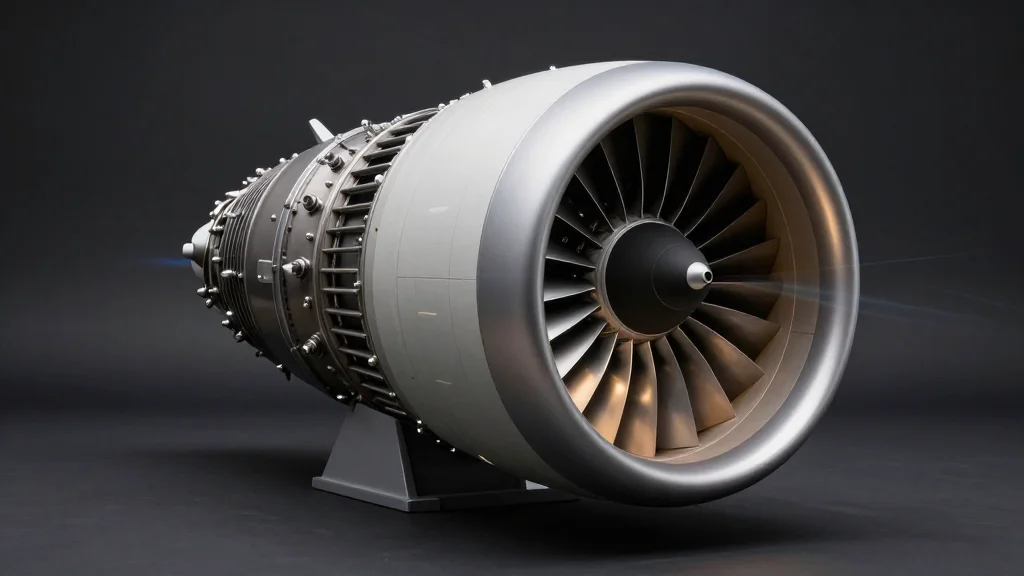
GE Aerospace, HAL Seal First U.S.-India Combat Jet Engine Deal, Targeting F414 Production

Why It Matters
The GE‑HAL engine agreement reshapes the strategic calculus of South Asian air power. By domesticating the F414, India mitigates the risk of supply disruptions that have historically hampered its fighter‑jet programmes, thereby accelerating the IAF’s goal of fielding multiple Tejas Mk2 squadrons. The deal also deepens U.S. technology transfer to a key partner, reinforcing the broader Indo‑U.S. security architecture that counters China’s growing influence in the region. From a commercial perspective, the partnership creates a new revenue stream for both GE and HAL, diversifies India’s aerospace supply chain, and could catalyse ancillary industries—from advanced composites to precision machining—across the country’s manufacturing ecosystem. The move may also set a precedent for future joint ventures on high‑value defence assets, encouraging other U.S. OEMs to explore similar collaborations with Indian firms.
Key Takeaways
- •GE Aerospace and HAL sign technology agreement to co‑produce the F414 combat engine in India
- •Agreement includes a domestic MRO depot for GE’s F404‑IN20 engines supporting the Tejas LCA
- •Rita Flaherty (GE Aerospace) highlighted the partnership as a boost to IAF sustainment capabilities
- •India aims to increase fighter squadrons from 29 to 42, with the F414 key to Tejas Mk2 rollout
- •Projected revenue uplift for HAL of 15‑20% and multi‑billion‑dollar opportunity for GE over the next decade
Pulse Analysis
The GE‑HAL engine pact is more than a supply‑chain fix; it is a strategic lever that could accelerate India’s quest for self‑reliance in high‑performance aerospace. Historically, India’s fighter‑jet programmes have been hamstrung by engine bottlenecks—most notably the delayed delivery of GE’s F404‑IN20 for the Tejas Mk1. By moving the F414, a higher‑thrust, after‑burning engine, onto Indian soil, the IAF gains a domestic source of power that can be scaled in line with aircraft production, reducing the classic "airframe‑engine mismatch" that has plagued past programmes.
From a market standpoint, the deal signals a shift in how U.S. defence firms approach technology transfer. Earlier, export‑control regimes limited the flow of combat‑rated engine tech to non‑NATO allies. The agreement suggests a calibrated relaxation, likely tied to broader geopolitical calculations—namely, counterbalancing China’s growing aerospace footprint. If GE can successfully navigate the intellectual‑property safeguards while delivering a reliable production line, it may open doors for similar collaborations with other Indian platforms, such as the AMCA, and even export the Indian‑built F414 to friendly air forces seeking a cost‑effective alternative to Euro‑fighter or F‑35 powerplants.
However, execution risk remains high. Jet‑engine manufacturing demands ultra‑precise tolerances, a deep supply‑chain of specialty alloys, and a skilled workforce. HAL’s recent upskilling initiatives—5,000 engineers trained over a decade—are promising, yet scaling to full‑rate production will test the partnership’s ability to harmonise U.S. quality standards with Indian manufacturing realities. The next six months, when detailed engineering and tooling transfer occur, will be the true litmus test. Success could cement India’s emergence as a credible aerospace manufacturing hub; failure would reinforce doubts about the viability of deep tech transfer in the defence sector.
GE Aerospace, HAL Seal First U.S.-India Combat Jet Engine Deal, Targeting F414 Production
Comments
Want to join the conversation?
Loading comments...