Companies Mentioned
Why It Matters
The mix underscores growing public appetite for both cutting‑edge space technology and the preservation of space heritage, while the book launch taps a lucrative niche market for space‑history consumers.
Key Takeaways
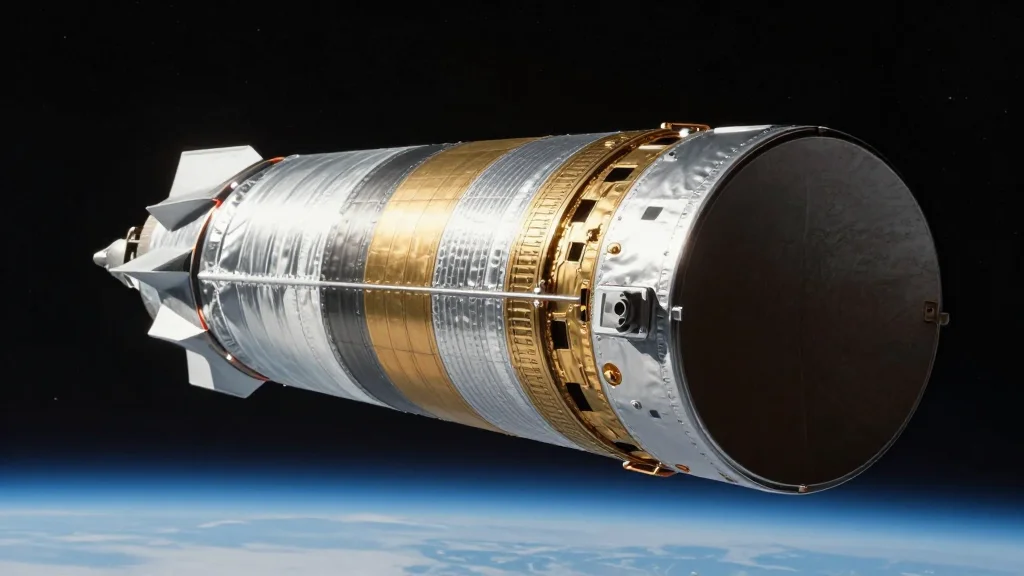
- •Soyuz‑2 fairing video shows unplanned re‑entry, not reusable
- •Sierra Space uses 3D‑printed parts for Dream Chaser, ISS ended
- •1949 Viking 1 rocket reached 50 mi before engine cut‑off from leak
- •1961 Navy balloon set 113,740 ft record, testing pressure suits
- •"Genesis" book on Apollo 8 available as ebook, audiobook, hardback, paperback
Pulse Analysis
Space enthusiasts increasingly turn to curated digital content to stay informed about both historic milestones and modern breakthroughs. A recent video of a Soyuz‑2 fairing re‑entering Earth’s atmosphere, captured by a hobbyist, sparked discussion about the challenges of true reusability in launch systems. Meanwhile, archival posts about the 1949 Viking 1 test flight and the 1961 Navy balloon record remind readers that today’s commercial ambitions rest on decades of experimental trial and error, reinforcing the narrative that space progress is cumulative.
Commercial innovation continues to dominate headlines, with 3D‑printing firms showcasing how their technology accelerates vehicle development. Sierra Space’s partnership to produce Dream Chaser components illustrates how additive manufacturing reduces part lead times and costs, even as the vehicle’s original International Space Station role winds down. The Dream Chaser’s adaptability for future cargo and crew missions highlights a broader industry shift toward modular, reusable spacecraft, a trend echoed by the unplanned Soyuz‑2 fairing descent that underscores the importance of designing for controlled recovery.
The release of "Genesis: the Story of Apollo 8" taps a growing market for space‑history literature, offering multiple formats to meet diverse consumer preferences. Priced at $5.99 for the ebook, $45–$60 for paperback or hardback, and free via an Audible trial for the audiobook, the book provides an accessible entry point for readers seeking deeper insight into humanity’s first lunar orbit. By coupling a foreword from Valerie Anders with a fresh introduction, the publication leverages both scholarly credibility and contemporary relevance, positioning itself as a must‑read for professionals tracking the cultural impact of space exploration.
May 4, 2026 Quick space links
Comments
Want to join the conversation?
Loading comments...