Is AI-Based Data Overwhelming Insurers?
•February 26, 2026
0
Key Takeaways
- •AI aerial imagery improves roof risk assessment
- •Data uncertainty requires transparent provenance links
- •Speed in catastrophe response hinges on rapid AI image processing
- •Predict‑and‑prevent model shifts focus to proactive roof replacement
- •Insurers must balance AI signal versus noise
Summary
Nearmap’s VP of AI & Computer Vision, Dr. Michael Bewley, explains how AI‑driven aerial imagery is reshaping property insurance. Supervised machine‑learning models can identify roof conditions, quantify damage likelihood, and feed into faster catastrophe response. However, the flood of heterogeneous data creates uncertainty, prompting insurers to demand provenance and transparent APIs. Bewley urges the industry to move from reactive repair‑and‑replace toward a predict‑and‑prevent strategy using continuous imagery updates.
Pulse Analysis
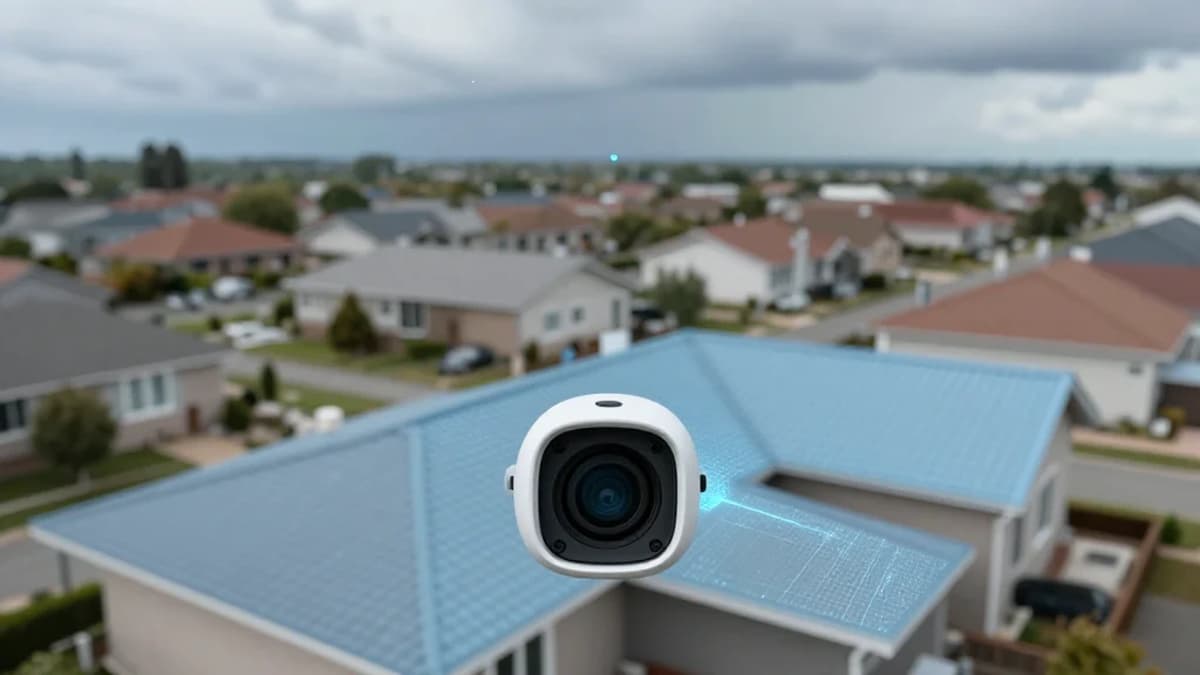
The insurance sector is undergoing a data renaissance as AI-powered geospatial platforms deliver petabyte‑scale imagery on demand. Nearmap’s supervised machine‑learning pipelines can automatically detect roof anomalies—missing shingles, rust, or solar panels—and translate those visual cues into quantifiable risk scores. By embedding these scores into underwriting engines, insurers gain a granular view of property condition that was previously limited to manual inspections or outdated records. This level of precision not only sharpens loss modeling for natural catastrophes but also shortens the time needed to issue accurate quotes.
Yet the flood of new data sources brings its own pitfalls. Inconsistent naming conventions—such as dozens of variants for a single city—create ambiguity that can skew actuarial calculations. Nearmap mitigates this risk by attaching a permanent link to every image, allowing underwriters to verify provenance instantly. Moreover, customers often resist AI‑generated damage assessments unless they can see the underlying photo, making transparency essential for trust. The industry must therefore develop rigorous validation frameworks to separate genuine signal from the noise generated by low‑quality or unverified datasets.
Looking ahead, the true competitive edge will come from a predict‑and‑prevent mindset. Continuous aerial monitoring enables insurers to flag aging roofs before a storm hits, opening dialogue with policyholders about pre‑emptive repairs or replacements. This proactive approach can lower claim frequency and severity, translating into better loss ratios and differentiated customer experiences. As AI models mature and integration costs fall, we can expect broader adoption across underwriting, claims triage, and post‑event recovery. Insurers that embed transparent, high‑quality visual data into their core workflows will not only accelerate catastrophe response but also redefine risk management for the digital age.
Comments
Want to join the conversation?