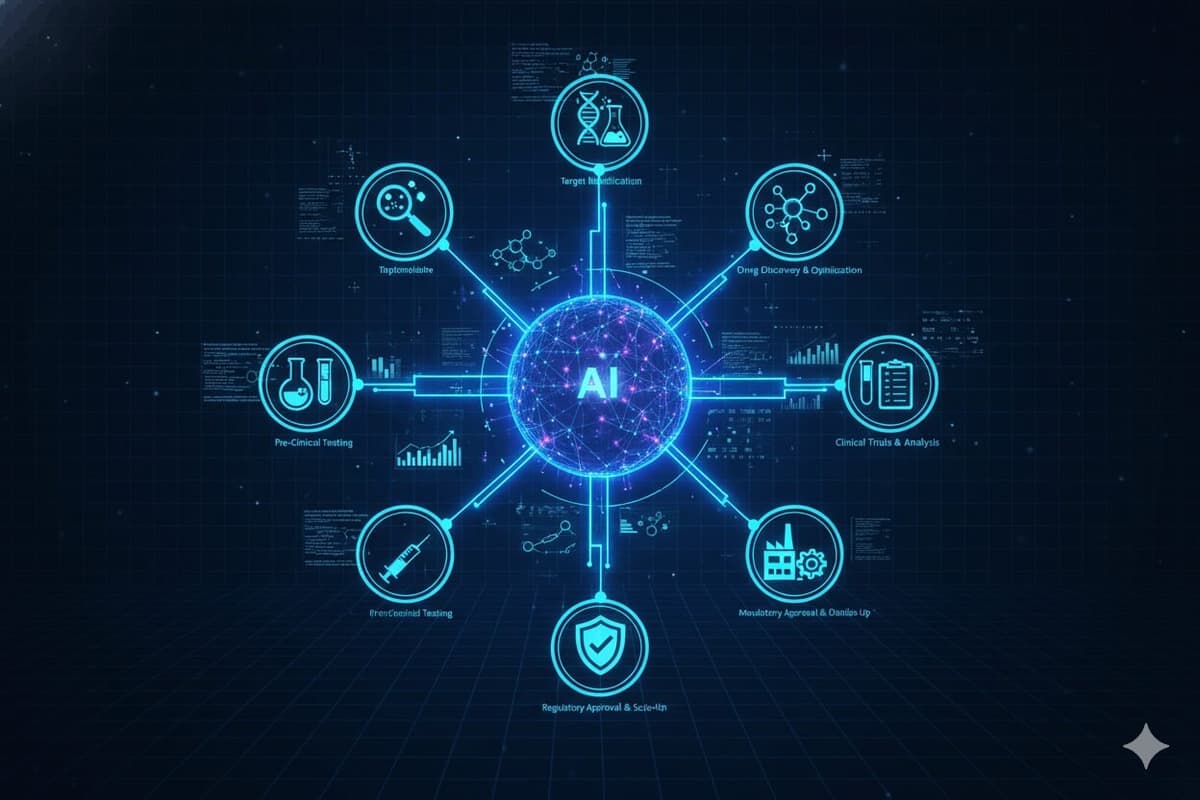
Reimagining Vaccine Development with AI
Key Takeaways
- •AI-driven adaptive trials cut vaccine timelines from years to months
- •Predictive models achieve 85‑90% outcome accuracy, surpassing traditional stats
- •AI streamlines site selection and recruitment, reducing startup delays
- •Continuous learning ecosystems accelerate global vaccine readiness
Pulse Analysis
The pace of emerging infectious diseases—from zoonotic spillovers to climate‑driven outbreaks—has outstripped the traditional vaccine development pipeline, which often stretches a decade from antigen discovery to licensure. Lengthy protocols, rigid designs, and slow site activation leave public health systems scrambling when a pathogen spreads globally. Artificial intelligence offers a way to inject agility into every phase of a trial, turning static plans into data‑driven, real‑time decision engines. By ingesting epidemiological feeds, genomic surveillance and operational metrics, AI can flag emerging hotspots and recommend optimal trial locations before a disease peaks.
At the heart of the AI revolution is the adaptive trial model, where protocols evolve as data accrues. Machine‑learning algorithms now predict efficacy signals with 85‑90% accuracy, a marked jump from the 70‑75% reliability of classic statistical methods. This predictive power enables sponsors to shrink sample sizes, drop ineffective arms early, and reallocate resources to the most promising candidates. Beyond design, AI automates site qualification, matching facilities to disease geography and patient demographics in minutes rather than weeks. Recruitment benefits as well, with algorithms pinpointing volunteers who are both eligible and likely to consent, speeding enrollment and enhancing cohort diversity.
The shift toward AI‑enabled vaccine trials is reshaping the competitive landscape. Faster timelines translate into earlier market entry, stronger intellectual property positions, and reduced development costs—advantages that matter to biotech investors and large pharma alike. Regulators are also adapting, issuing guidance that encourages the use of real‑world data and algorithmic monitoring while emphasizing transparency and validation. As more organizations adopt continuous‑learning platforms, the industry moves closer to a future where vaccines can be deployed within months of pathogen identification, bolstering global health security and delivering economic benefits through avoided pandemic losses.
Reimagining Vaccine Development with AI
Comments
Want to join the conversation?