A More Intelligent Android on Samsung Galaxy S26
•February 25, 2026
0
Why It Matters
The integration positions Samsung phones as AI‑centric devices, driving user productivity and security while differentiating them in a crowded flagship market.
Key Takeaways
- •Gemini beta automates rides, meals, grocery tasks via side button
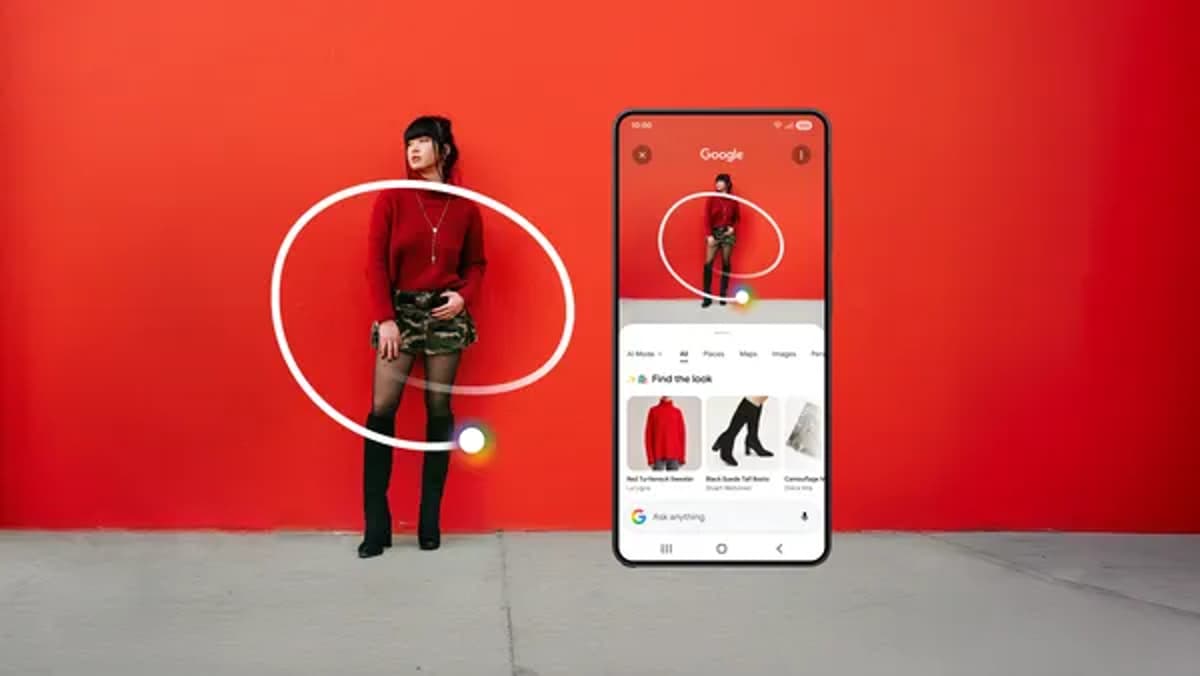
- •Circle to Search adds multi‑object image recognition for fashion inspiration
- •On‑device Scam Detection alerts users of fraudulent calls instantly
- •Gemini 3 models power proactive suggestions across Galaxy S26 launch
Pulse Analysis
The partnership between Google and Samsung is accelerating the shift of Android from a static operating system to a dynamic, AI‑driven platform. By embedding Gemini’s large‑language models directly into the Galaxy S26, Google aims to showcase on‑device intelligence that works offline, sidestepping privacy concerns while delivering instant responses. This move also signals a broader industry trend where handset makers leverage cloud‑scale AI to differentiate premium devices, challenging rivals that rely on third‑party assistants.
Gemini’s task‑automation beta transforms how users interact with everyday services. A simple long‑press of the side button lets the phone arrange rides, reorder meals, or compile grocery lists without opening separate apps, keeping the user’s workflow uninterrupted. Meanwhile, the upgraded Circle to Search feature expands visual search from single‑item identification to multi‑object recognition, enabling shoppers to capture an entire outfit or room décor and instantly explore similar styles, complete with virtual try‑on. These capabilities streamline decision‑making and reduce friction in e‑commerce interactions.
Security receives a parallel boost through on‑device Scam Detection, which monitors inbound calls for fraudulent patterns and delivers immediate audio‑haptic alerts while keeping data local. By automatically disabling the feature for contacts, the system respects user privacy and minimizes false positives. The rollout on the S26 positions Samsung as a leader in mobile safety, a compelling selling point for privacy‑conscious consumers. As Gemini 3 models mature, we can expect deeper proactive suggestions, richer contextual understanding, and broader app integration, cementing AI as a core value proposition for next‑generation smartphones.
A more intelligent Android on Samsung Galaxy S26
0
Comments
Want to join the conversation?
Loading comments...