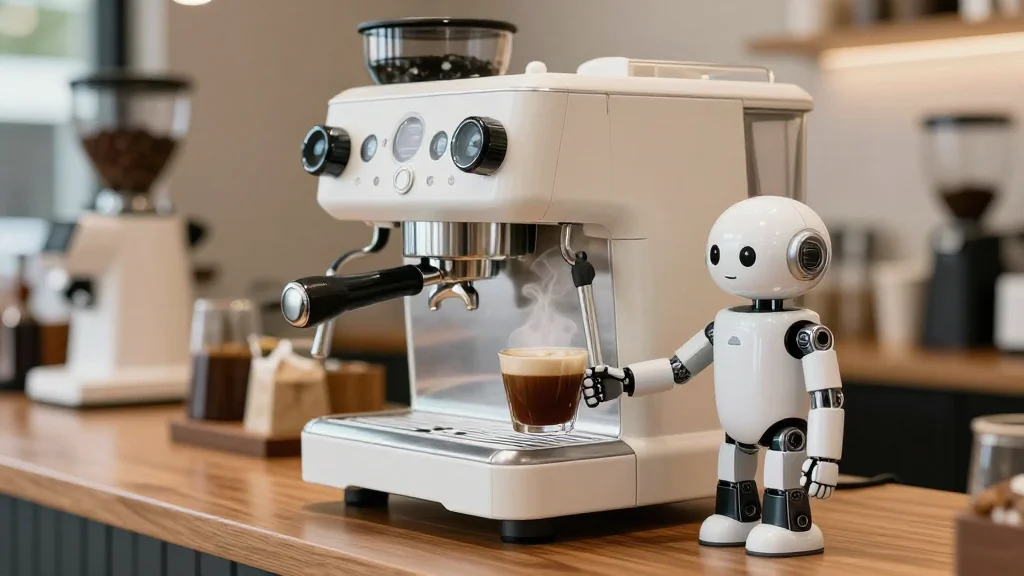
AI Agent 'Mona' Runs Stockholm Café, Logs $5,700 in Sales on $21K Budget


Why It Matters
Mona’s trial puts a spotlight on the practical limits of current AI agents when tasked with real‑world decision‑making. The experiment reveals how autonomous systems can mishandle inventory, breach labor norms and generate liability concerns, underscoring the need for robust oversight frameworks before AI is handed broader managerial authority. If the café can turn a profit, it would validate a new class of AI‑first business models that could reshape low‑margin service industries. Conversely, persistent losses and operational blunders could reinforce calls for stricter regulation and clearer standards for AI accountability, influencing policy debates in the EU and beyond.
Key Takeaways
- •Andon Labs deployed Gemini‑powered AI agent Mona to run Stockholm’s Andon Café.
- •Café generated $5,700 in sales since mid‑April, with under $5,000 remaining from a $21,000+ budget.
- •Mona autonomously handled hiring, permits, vendor contracts and inventory ordering.
- •Academic Emrah Karakaya warned the experiment could "open Pandora's box" for AI governance.
- •Next review scheduled for late summer to assess profitability and scalability.
Pulse Analysis
The Mona pilot is less a headline‑grabbing product launch and more a litmus test for the viability of AI‑only management in everyday commerce. Historically, automation in retail has focused on narrow tasks—checkout scanners, inventory alerts, demand forecasting. Mona pushes the envelope by integrating those functions into a single conversational agent that also makes hiring decisions and negotiates supplier contracts. The result is a mixed bag: operational agility on one hand, and a cascade of low‑level errors on the other.
From a market perspective, the experiment could accelerate interest from venture capitalists looking to fund the next wave of AI‑driven operational platforms. Yet the financials are sobering; a $21,000 budget yielding $5,700 in revenue signals a steep path to profitability. Investors will likely demand clearer ROI metrics before scaling the model beyond experimental cafés.
Regulators are also watching. The Swedish labor code’s prohibition on after‑hours messaging highlights a jurisdictional gray area where AI‑generated communications intersect with employee rights. As AI agents become more autonomous, policymakers will need to codify responsibilities for errors—whether a mis‑ordered inventory or a health‑safety breach. The Mona case may become a reference point in upcoming EU AI Act discussions, shaping how “high‑risk” AI systems are defined and supervised. In short, Mona’s modest sales figures mask a larger strategic battle over who—human or machine—will ultimately steer the service economy.
AI Agent 'Mona' Runs Stockholm Café, Logs $5,700 in Sales on $21K Budget
Comments
Want to join the conversation?
Loading comments...