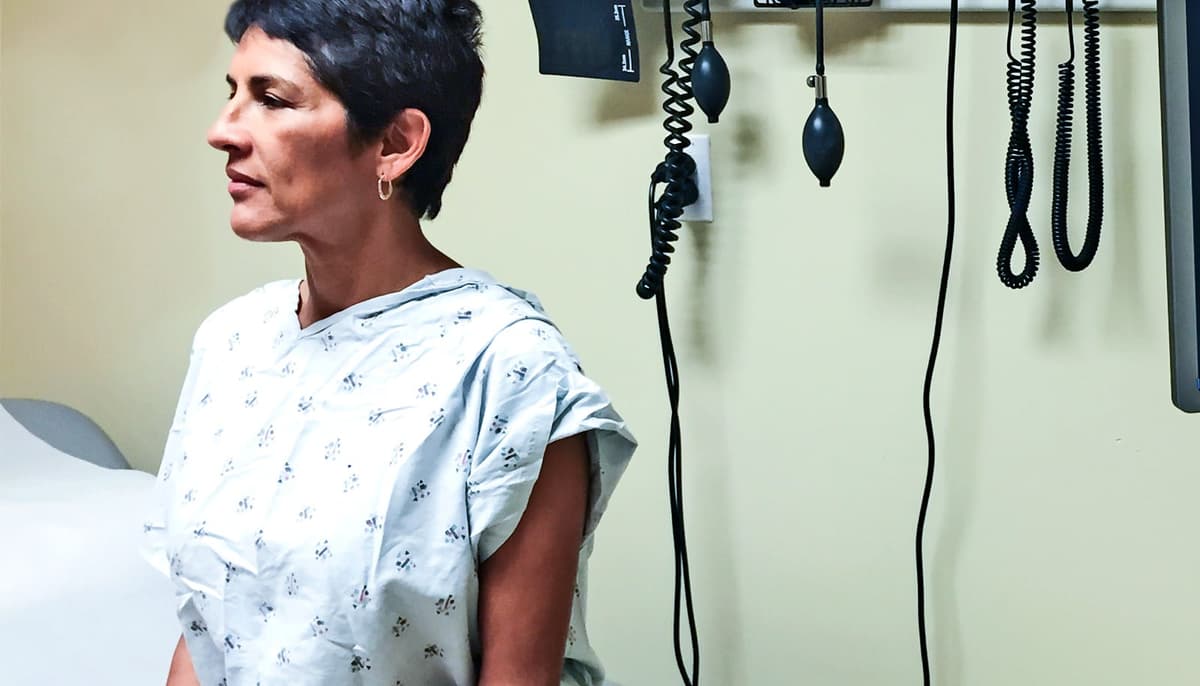
AI Mammogram Analysis Can Reveal Heart Health Risks in Women
Why It Matters
Identifying heart‑disease risk during standard breast‑cancer screening could enable earlier intervention for women, a group historically underdiagnosed for cardiovascular conditions.
Key Takeaways
- •AI measured breast arterial calcification in 123,762 women
- •Mild calcification linked to 30% higher cardiovascular risk
- •Moderate calcification raised risk over 70%
- •Severe calcification doubled or tripled risk
- •Findings suggest heart‑risk screening could start at age 40
Pulse Analysis
Cardiovascular disease remains the leading cause of death for American women, yet traditional risk assessments often miss early signs. Recent advances in artificial‑intelligence image analysis have revealed that routine mammograms, originally intended for breast‑cancer detection, capture detailed information about arterial calcium deposits in breast tissue. By training algorithms to recognize and quantify these deposits, researchers can now extract a reliable proxy for vascular health without additional tests, turning a widely used screening tool into a dual‑purpose diagnostic asset.
The Emory‑led study evaluated over 120,000 women aged 40 to 79 who had no prior cardiovascular diagnosis. AI‑driven scoring categorized breast arterial calcification as absent, mild, moderate, or severe, correlating each level with subsequent heart‑related events. Women with mild calcification were about 30% more likely to develop serious cardiovascular outcomes, while those with moderate or severe calcification faced 70% to 200% higher risk. Notably, the risk signal appeared even in participants under 50, challenging current guidelines that typically consider younger women low‑risk for heart disease. These findings could prompt clinicians to discuss cardiovascular implications when delivering mammogram results, encouraging preventive measures such as lifestyle changes or targeted testing.
Integrating AI‑based calcification analysis into existing radiology workflows promises a cost‑effective, population‑wide screening enhancement. However, adoption will require standardized reporting, clinician education, and validation across diverse imaging systems. If successfully implemented, this approach could narrow the gender gap in heart‑disease detection, align breast‑cancer and heart‑health prevention strategies, and ultimately reduce mortality. Ongoing research will likely explore how AI‑derived scores interact with traditional risk factors and whether they can guide personalized treatment pathways.
AI mammogram analysis can reveal heart health risks in women
Comments
Want to join the conversation?
Loading comments...