AI Processing of Earth Images Can Now Run In Space

Companies Mentioned
Why It Matters
Real‑time onboard AI eliminates the multi‑hour delay that hampers rapid response to events such as wildfires or illegal vessel activity, giving customers actionable insights as situations unfold. This breakthrough positions Planet Labs as a pioneer in the emerging market for space‑based edge computing, reshaping how Earth observation data are monetized and applied.
Key Takeaways
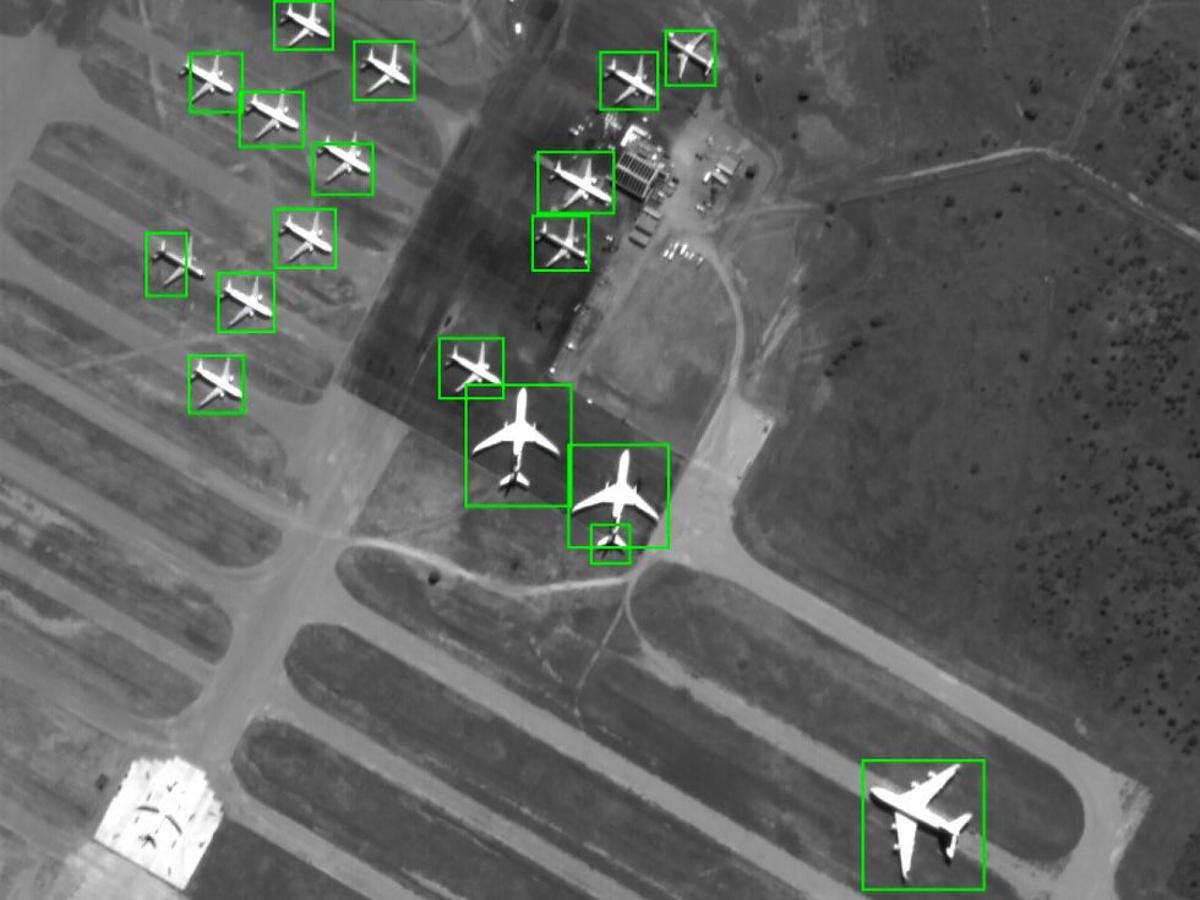
- •Planet's Pelican-4 identified 12+ aircraft on an Australian airport
- •Onboard AI processes 16,000‑pixel images in 0.5 seconds
- •30 TB of daily imagery will soon be analyzed directly in orbit
- •Future Owl satellites will add 1‑meter resolution and AI detection
- •Planet aims for >95% detection accuracy and LLM‑driven insights
Pulse Analysis
The Earth observation sector has long grappled with the latency gap between image capture and actionable insight. Planet Labs’ Pelican‑4 satellite now runs a convolutional‑neural‑network model in orbit, delivering object classifications within seconds of acquisition. By moving the compute layer from ground stations to the spacecraft, the company reduces the typical six‑to‑12‑hour turnaround to a matter of minutes, a shift that could be decisive for time‑critical scenarios such as wildfire detection, flood monitoring, or maritime security.
Technically, the breakthrough hinges on NVIDIA’s Jetson ORIN modules, which provide enough GPU horsepower to handle raw, uncorrected multispectral data at the edge of space. The AI engine parses a 16,000‑pixel frame in 0.5 seconds, achieving roughly 80% detection reliability after an 18‑month development cycle, with a target of surpassing 95% in the next iteration. Planet’s roadmap includes the Owl constellation, which will inherit the Jetson architecture while offering up to 1‑meter resolution, and future upgrades to Jetson Thor processors that could host large language models, enabling natural‑language queries directly from satellite imagery.
The commercial implications are profound. Real‑time, on‑board analytics open new revenue streams for customers needing immediate situational awareness—emergency responders, logistics firms, and defense agencies stand to benefit. Planet’s partnership with Google’s Suncatcher project and its plans for a 2027 prototype launch signal a broader industry move toward orbital data centers, challenging traditional ground‑based cloud models. As solar power and cooling become abundant in space, the economics of high‑performance computing above the atmosphere may soon rival terrestrial alternatives, ushering in an era of planetary intelligence powered by AI at the edge.
AI Processing of Earth Images Can Now Run In Space
Comments
Want to join the conversation?
Loading comments...