Anthropic Reserves Right to Check ID for Claude Subs

Companies Mentioned

Why It Matters
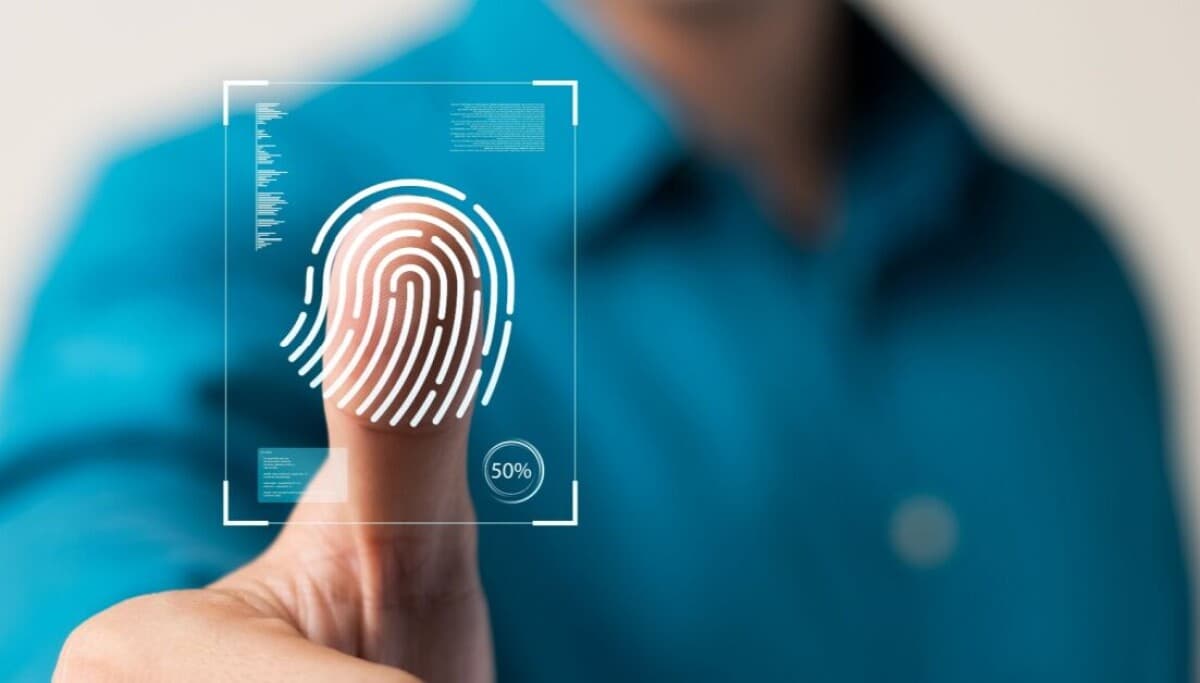
By adding identity checks, Anthropic gains a lever to enforce age‑restriction laws and U.S. export controls, potentially limiting access for under‑age users and those in sanctioned regions while raising privacy concerns.
Key Takeaways
- •New policy lets Anthropic request government ID and facial biometrics
- •Applies only to consumer plans; enterprise users exempt
- •Identity checks aim to meet U.S. export controls and child‑safety laws
- •Non‑compliance consequences remain undefined, creating user uncertainty
Pulse Analysis
Across the United States, lawmakers are rapidly drafting AI‑specific safety statutes that mirror earlier child‑protection regulations. California alone has introduced the Companion AI Chatbot Safety Act and the Digital Age Assurance Act, both of which shift the burden of age verification onto platform providers. Similar measures are emerging in Australia, the European Union, India, and South Korea, creating a patchwork of compliance requirements that AI firms must navigate. This regulatory surge is prompting companies to embed identity‑verification mechanisms directly into their user agreements, a trend Anthropic now joins.
Anthropic’s revised privacy policy expands data collection to include scanned government IDs, facial geometry templates, and verification outcomes. While the company says the checks are intended to keep services "safe and secure," the timing suggests a dual purpose: reinforcing compliance with the U.S. export‑control order that has halted the Fable 5 and Mythos 5 releases, and meeting the growing demand for age‑gating under state and international laws. Notably, the policy excludes Team, Enterprise, and API customers, indicating a focus on consumer‑facing products where minors are most likely to engage. The lack of clear trigger criteria or penalties for refusal leaves users in a gray area, potentially prompting friction for those unwilling to share biometric data.
The broader AI market is watching Anthropic’s approach closely. If identity verification becomes a de‑facto requirement, competitors may adopt similar practices, intensifying debates over data privacy versus public safety. For users, the added step could deter casual experimentation with powerful models, but it also raises concerns about biometric data handling and cross‑border enforcement. Meanwhile, the policy gives Anthropic a tool to block access from sanctioned regions, curbing model distillation by foreign actors. As regulators tighten the reins, the balance between innovation, user privacy, and geopolitical compliance will shape the next wave of AI product strategies.
Anthropic reserves right to check ID for Claude subs
Comments
Want to join the conversation?
Loading comments...