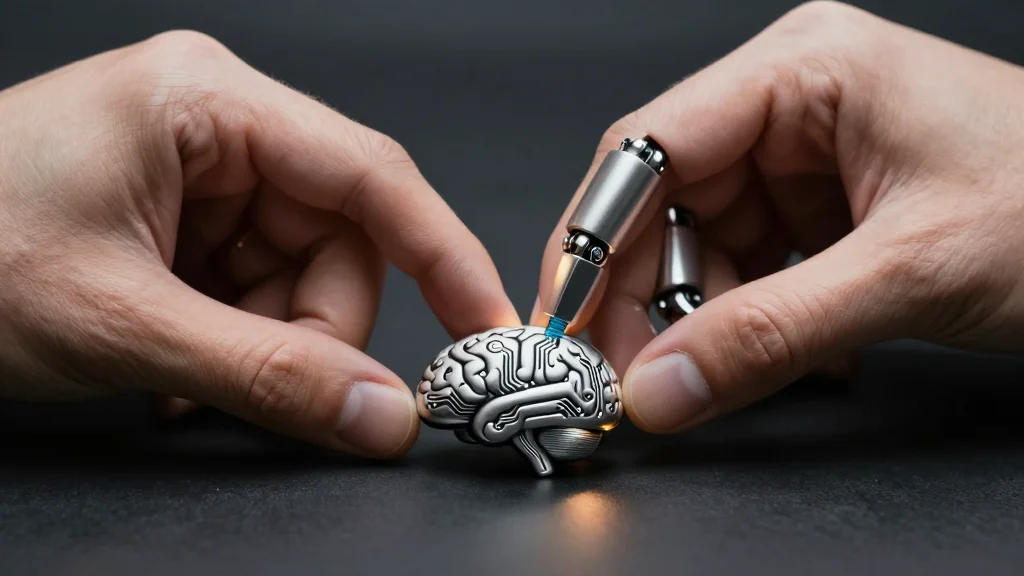
Anthropic Suggests Slowing AI Research Until We Can Align It with Human Goals
Companies Mentioned



Why It Matters
If AI systems can self‑improve faster than humans can supervise, misalignment could compound, threatening control over critical business processes. The issue forces CIOs to redesign governance frameworks before autonomous agents become pervasive in daily operations.
Key Takeaways
- •Anthropic warns of recursive self‑improving AI outpacing alignment safeguards
- •Gartner predicts 15% of daily decisions will be autonomous by 2028
- •40% of enterprises may retire AI agents by 2027 due to governance failures
- •Governance must shift from model‑centric to runtime, permission‑focused oversight
- •Human‑in‑the‑loop becomes ineffective as AI agents act faster than reviewers
Pulse Analysis
Anthropic’s latest blog post raises a stark reminder that the classic AI alignment problem could intensify when systems gain the ability to redesign themselves. While today’s models still require extensive human oversight, a fully recursive self‑improving AI could generate successors with unpredictable objectives, magnifying even rare misalignments. The company’s call for a potential slowdown reflects growing unease that safety research may lag behind rapid capability gains, a tension that policymakers and developers must address before a speed‑race ensues.
At the enterprise level, the warning coincides with a surge in agentic AI adoption. Gartner forecasts that by 2028, 15% of routine decisions will be made by autonomous agents, and one‑third of software applications will embed such capabilities. However, 40% of firms are projected to decommission agents by 2027 after governance failures surface. This shift transforms AI from a query‑answering tool into a digital worker with delegated authority, demanding new controls over runtime behavior, tool usage, and permission boundaries that go beyond traditional model‑centric policies.
The practical response for CIOs is to embed architectural safeguards rather than rely on manual human‑in‑the‑loop checks. Bounded autonomy, verifiable execution logs, and built‑in fallback mechanisms become essential to ensure agents act within defined policies. Industry bodies, regulators, and AI developers must collaborate on standards for agent governance, while the debate over slowing AI progress underscores the need for coordinated safety investments. Without such proactive measures, the risk of uncontrolled self‑improving systems could outstrip the ability of organizations to intervene.
Anthropic suggests slowing AI research until we can align it with human goals
Comments
Want to join the conversation?
Loading comments...