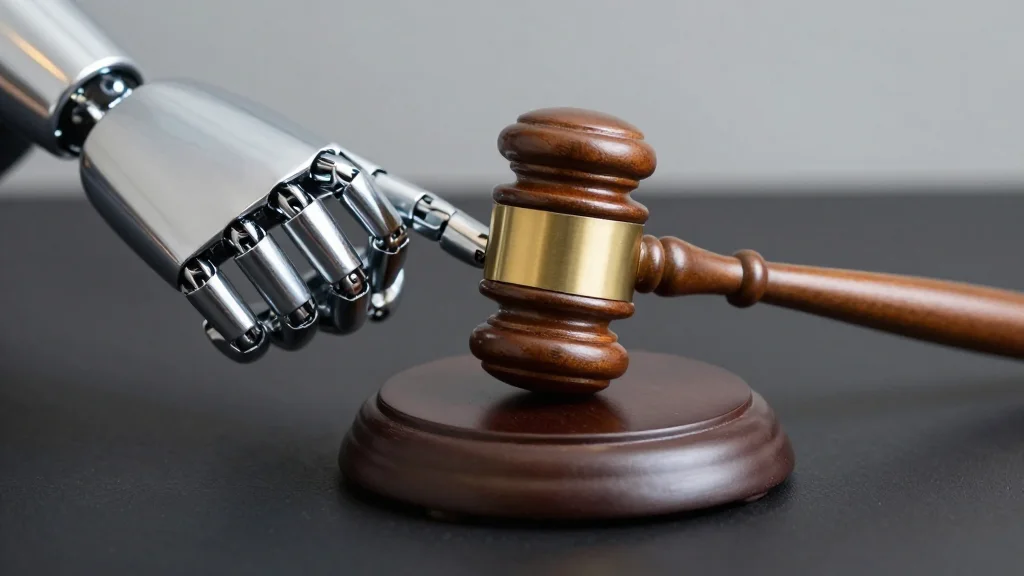
DOJ Teams with Elon Musk’s xAI to Contest Colorado AI Bias Law

Companies Mentioned
Why It Matters
The dispute spotlights a nascent legal frontier where civil‑rights protections intersect with cutting‑edge technology. A decision favoring the DOJ and xAI could deter other states from enacting similar AI oversight measures, consolidating regulatory authority at the federal level and preserving a more permissive environment for AI development. Conversely, upholding Colorado’s law would empower states to impose stricter transparency and fairness standards, potentially accelerating the adoption of bias‑mitigation practices but also raising compliance costs for AI providers. Beyond the immediate parties, the case could set precedent for how courts interpret the Equal Protection Clause in the context of algorithmic decision‑making. The ruling may influence future legislation, corporate risk assessments, and the broader debate over whether AI should be treated as a form of speech protected by the First Amendment or as a regulated tool subject to civil‑rights scrutiny.
Key Takeaways
- •DOJ filed an amicus brief supporting xAI in a lawsuit challenging Colorado’s AI discrimination law.
- •The brief argues the law violates the Equal Protection Clause and forces developers to discriminate based on protected classes.
- •Colorado’s statute, effective June 30, requires transparency notices, bias assessments, and monitoring for AI used in employment and other high‑stakes decisions.
- •The case pits state‑level AI regulation against industry claims of free‑speech rights and concerns about U.S. AI competitiveness.
- •A hearing on the DOJ brief is scheduled later this month; a preliminary injunction could halt the law pending a full decision.
Pulse Analysis
The DOJ’s alignment with xAI marks an unprecedented federal endorsement of industry resistance to state AI regulation. Historically, the Justice Department has intervened in cases where state statutes intersect with national economic interests, such as the 1990s battles over internet commerce. Here, the administration frames the Colorado law not merely as a civil‑rights issue but as a strategic threat to America’s AI leadership, echoing broader concerns about a "race to the bottom" in global AI development.
From a market perspective, the lawsuit could reverberate through venture capital pipelines and corporate AI roadmaps. Firms that have invested heavily in AI‑driven hiring tools—ranging from startups to Fortune‑500 HR platforms—may reassess the risk of deploying models in jurisdictions with stringent bias‑testing mandates. A favorable ruling for xAI could reassure investors that the regulatory environment will remain relatively uniform, preserving the scalability of AI products across state lines.
Looking ahead, the case may catalyze a push for federal legislation that balances anti‑discrimination goals with innovation incentives. Lawmakers could be compelled to draft a national AI bias framework that preempts a fragmented state approach, similar to the way the Federal Trade Commission later addressed data‑privacy concerns after a wave of state statutes. The outcome will likely shape the next wave of AI governance, influencing everything from model documentation standards to the legal definition of algorithmic speech.
DOJ Teams with Elon Musk’s xAI to Contest Colorado AI Bias Law
Comments
Want to join the conversation?
Loading comments...