DuckDuckGo Installs Are up 30% as Users Reject Being ‘Force-Fed’ Google’s AI Search

Companies Mentioned



Why It Matters
The shift underscores growing consumer resistance to forced AI integration, opening market‑share opportunities for privacy‑centric search providers and pressuring Google to reconsider its default AI strategy.
Key Takeaways
- •DuckDuckGo U.S. app installs rose 18.1% week‑over‑week.
- •Peak install growth hit 30.5% on May 25.
- •iOS installs surged 33% average, 69.9% peak.
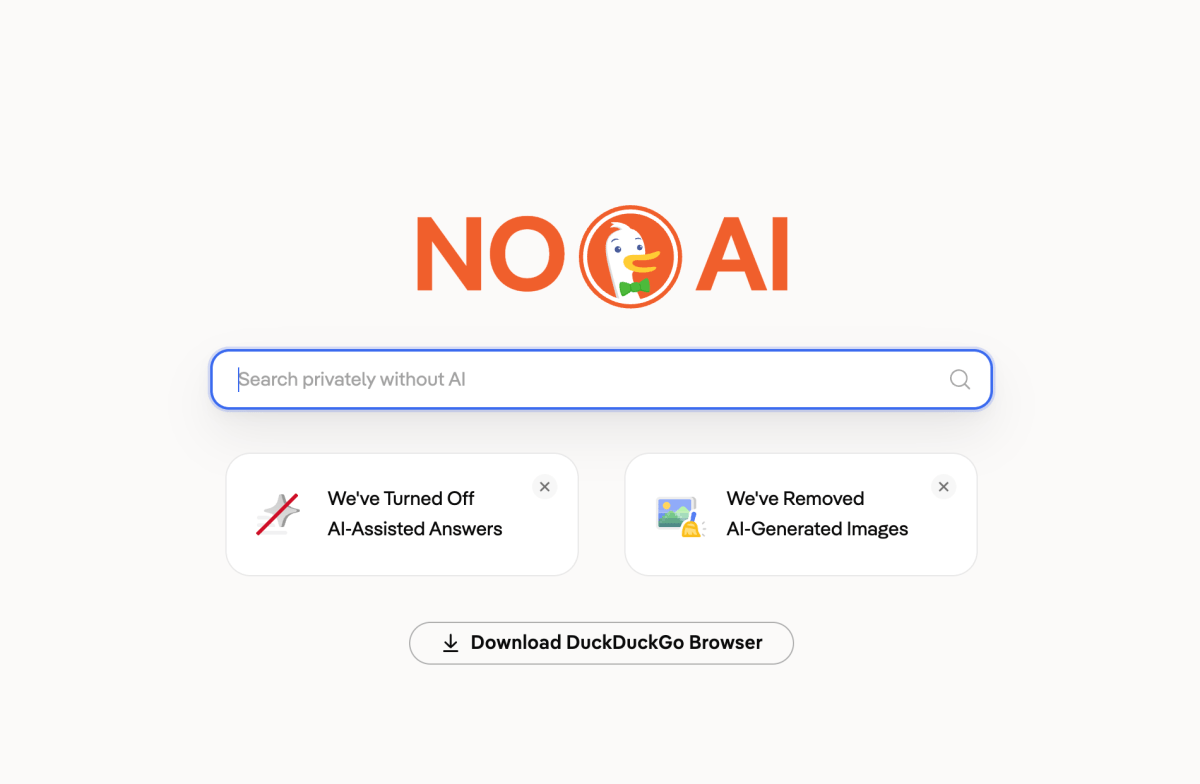
- •No‑AI page visits grew 22.7% weekly, 27.7% peak.
- •Duck.ai provides free AI chat with Claude 4.5, Llama 4, GPT‑5 mini.
Pulse Analysis
Google unveiled a sweeping redesign of its search engine at the I/O conference, replacing the familiar blue‑link list with an AI agent that answers questions, performs tasks and monitors user activity. While the move promises richer results, critics argue it blurs the line between search and conversational AI, risks hallucinated answers, and removes the option to browse without machine‑generated content. The change has revived antitrust scrutiny, as the company’s default‑search contracts have already been challenged for limiting competition. In this climate, privacy‑focused users are actively looking for alternatives that keep AI optional.
DuckDuckGo’s latest metrics illustrate that sentiment. U.S. app installs rose 18.1% week‑over‑week during May 20‑25, with a peak jump of 30.5% on May 25, and iOS installs surged an average 33%, spiking to 69.9% at the high point. Traffic to its dedicated no‑AI domain, noai.duckduckgo.com, grew 22.7% week‑over‑week, reaching a 27.7% peak on May 24. The growth persisted through the Memorial Day weekend, a period that typically sees a dip, indicating a durable shift toward search experiences that respect user choice and privacy.
The company’s own AI offering, Duck.ai, reinforces that strategy. Powered by models such as Anthropic’s Claude 4.5 Haiku, Meta’s Llama 4 Scout, Mistral’s Small 3 24B and OpenAI’s GPT‑5 mini, the service is free, requires no account and strips IP addresses before forwarding queries, deleting chats after 30 days and prohibiting training use. By coupling AI convenience with strict data hygiene, DuckDuckGo positions itself as a hybrid solution for users who want intelligent assistance without surrendering privacy. If the trend continues, the search market could see a more fragmented landscape where AI‑optional platforms gain measurable share at Google’s expense.
DuckDuckGo installs are up 30% as users reject being ‘force-fed’ Google’s AI Search
Comments
Want to join the conversation?
Loading comments...