Elon Musk Says SpaceX Doesn’t Need ‘Magic’ to Put AI Data Centers up in S...
Companies Mentioned

Why It Matters
Moving AI compute to orbit could bypass terrestrial power bottlenecks, reshaping the economics and scalability of generative‑AI services.
Key Takeaways
- •SpaceX targets 1 GW AI computing in orbit by 2027.
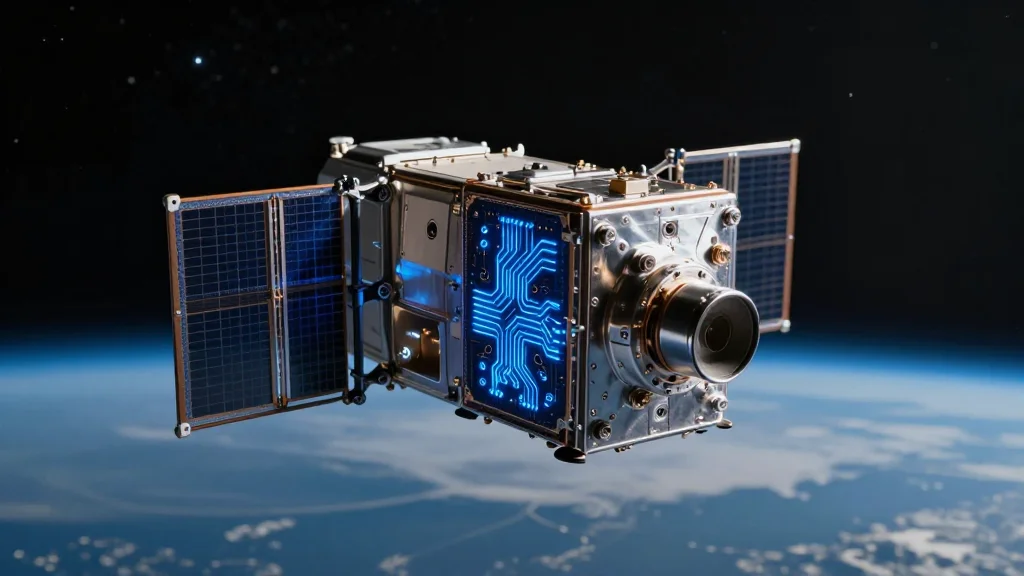
- •First AI satellite prototype shown, 150 kW processing power.
- •IPO seeks $1.75 trillion valuation, record‑setting public debut.
- •Plans include 1 million low‑Earth‑orbit AI satellites.
- •Starship launches and Terafab chips aim to cut costs.
Pulse Analysis
The surge in generative‑AI workloads has exposed a critical shortage of affordable, high‑density power. Traditional data centers rely on massive electricity grids, and as AI models grow, the cost of scaling on Earth is projected to climb into the trillions. SpaceX’s proposal to locate AI compute in low‑Earth orbit directly addresses this bottleneck by harvesting solar energy and sidestepping terrestrial grid constraints, positioning the company to capture a slice of the $26.5 trillion AI market it cites in its IPO filing.
Technically, the concept hinges on leveraging existing Starlink V3 satellite platforms and the upcoming Terafab chip factory, a joint effort with Tesla and Intel. A 150 kW prototype matches the output of a high‑end Nvidia GB300 rack, while laser inter‑satellite links promise low‑latency data exchange across a constellation. By using the reusable Starship launch system, SpaceX aims to drive launch costs down dramatically, making the economics of a million‑satellite network plausible. However, challenges remain, including radiation‑hardening of AI chips, thermal management in space, and the need for robust ground‑to‑satellite bandwidth.
If successful, SpaceX could redefine the AI infrastructure value chain, offering on‑demand, space‑based compute that bypasses terrestrial power limits and potentially lowers operating expenses for AI firms. Investors will watch the IPO closely; a $1.75 trillion valuation sets a high bar, but the promise of a terawatt‑scale orbital compute platform could justify premium pricing. Competitors such as Blue Origin and Amazon are more cautious, underscoring the risk‑reward balance that will shape the next decade of AI and space commerce.
Elon Musk says SpaceX doesn’t need ‘magic’ to put AI data centers up in s...
Comments
Want to join the conversation?
Loading comments...