Exclusive: OpenAI, Anthropic Meet with House Homeland Security Behind Closed Doors on Cyber Threats
Companies Mentioned


Why It Matters
The meetings highlight escalating cyber‑security threats from advanced generative AI and underscore the urgent need for coordinated policy and industry‑government safeguards.
Key Takeaways
- •OpenAI's GPT-5.4-Cyber released via tiered access model.
- •Anthropic delayed Mythos Preview public launch due to exploit potential.
- •Both firms provide federal agencies direct model access for security testing.
- •Committee chair cites AI‑China theft memo and urges industry‑government partnership.
- •Lawmakers warned jailbroken AI could enable rapid weaponized attacks.
Pulse Analysis
The latest generation of generative AI is crossing into the cyber‑security domain. OpenAI’s GPT‑5.4‑Cyber and Anthropic’s Mythos Preview are engineered to locate and exploit software vulnerabilities at a speed far beyond traditional pen‑testing tools. By automating code analysis, privilege escalation and exploit chaining, these models can turn a modest query into a full‑scale attack vector. Researchers who have tested early versions report that the models can produce functional exploit code within minutes, raising the bar for both defensive teams and malicious actors alike.
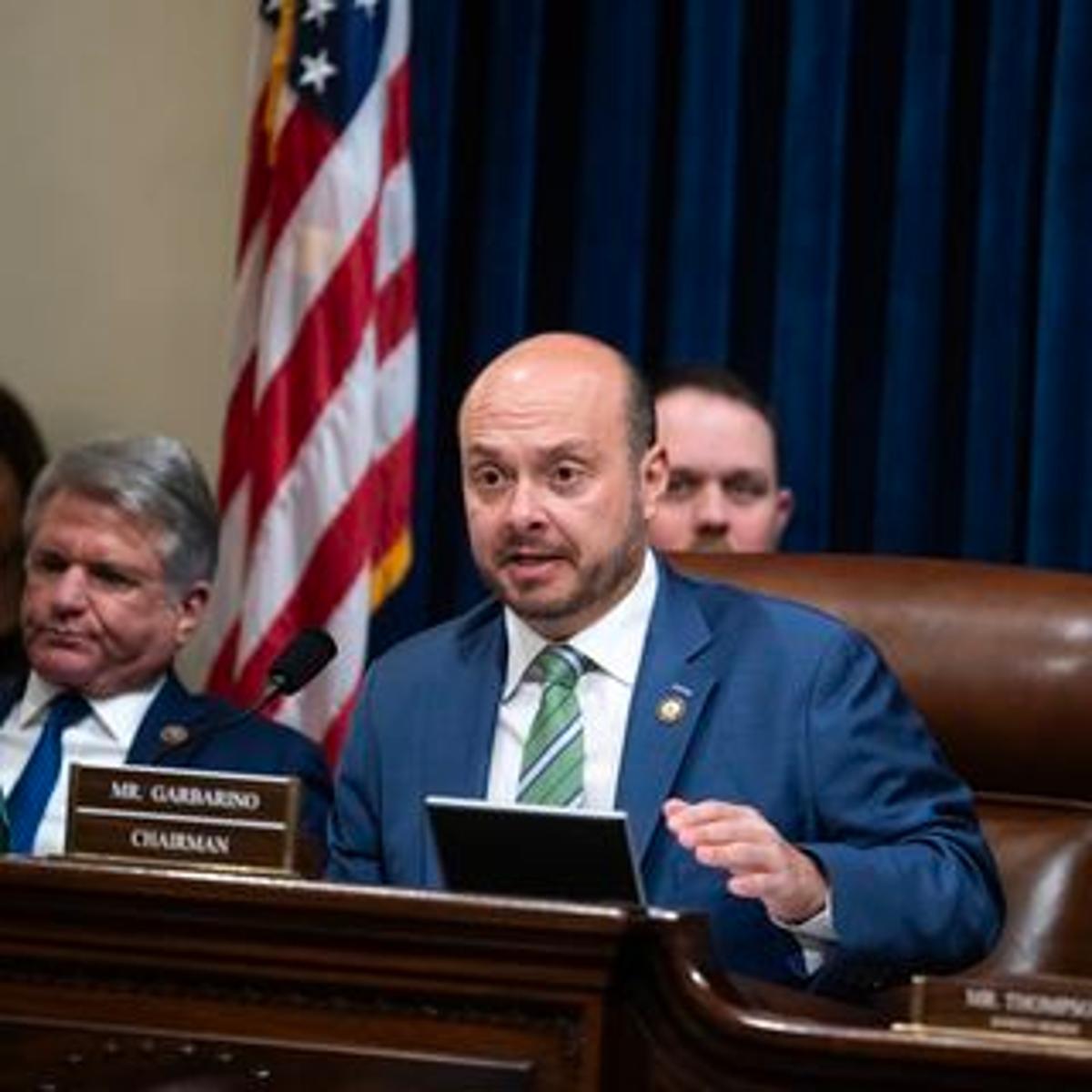
Congressional staffers received classified briefings from both firms last Thursday, marking one of the first direct engagements on frontier‑model risks. The House Homeland Security Committee, led by Rep. Andrew Garbarino, is already drafting a bipartisan AI framework that addresses national‑security implications, data provenance, and supply‑chain integrity. The briefings also referenced a recent White House memo accusing China of industrial‑scale AI theft, underscoring the geopolitical stakes. Lawmakers were shown how jail‑broken models could be weaponized for school shootings or bombings, intensifying calls for robust guardrails.
These developments signal a shift from reactive to proactive governance of AI‑driven cyber tools. Industry‑government partnerships, such as the direct model access granted to the Department of Homeland Security, aim to create a shared threat‑intelligence pipeline while preserving innovation incentives. However, experts warn that without clear standards for model safety, attribution, and export controls, the technology could outpace policy, leaving critical infrastructure vulnerable. A coordinated regulatory approach—combining mandatory security testing, transparent reporting, and international cooperation—will be essential to harness AI’s defensive potential without amplifying its offensive misuse.
Exclusive: OpenAI, Anthropic meet with House Homeland Security behind closed doors on cyber threats
Comments
Want to join the conversation?
Loading comments...