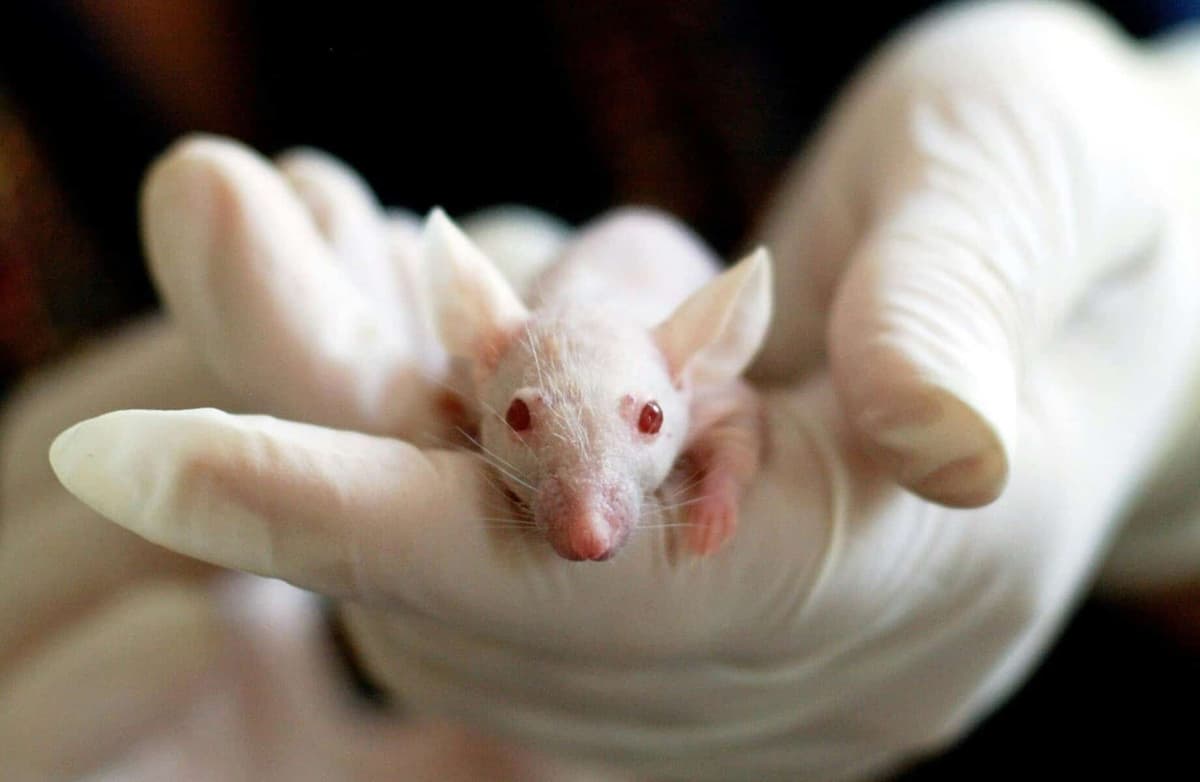
Generative AI System Could Cut Animal Testing by Up to 50% in Preclinical Research
Why It Matters
Reducing animal experiments speeds drug development and meets rising ethical and regulatory expectations, potentially lowering R&D costs.
Key Takeaways
- •genESOM can cut preclinical animal use by up to 50%
- •AI generates synthetic data that mirrors real laboratory results
- •Ethical pressure drives regulators to back animal‑free testing methods
- •Lower animal use may reduce drug development timelines and costs
- •German BfR3R supports alternatives, signaling broader policy adoption
Pulse Analysis
Generative artificial intelligence is moving beyond image creation to address concrete scientific bottlenecks. The newly unveiled genESOM platform, built by teams at Goethe University Frankfurt, Philipps University of Marburg and the Fraunhofer Institute for Translational Medicine and Pharmacology, learns from modest preclinical datasets and fabricates synthetic data points that statistically resemble actual animal experiments. By expanding the data pool without additional live subjects, the system promises to shrink the number of rodents and other laboratory animals needed for early‑stage drug screening by roughly 30‑50 percent, while preserving experimental fidelity. Regulators worldwide are tightening scrutiny of animal‑based testing, citing both ethical concerns and the poor translation of animal data to human outcomes.
In Germany, the Federal Institute for Risk Assessment (BfR3R) has earmarked funding for alternatives, positioning genESOM as a practical tool that aligns with the EU’s 2025 goal of reducing animal use in research. The United States Food and Drug Administration is also encouraging validated in‑silico methods, and industry groups such as the Pharmaceutical Research and Manufacturers of America (PhRMA) are lobbying for faster acceptance of AI‑generated data. This regulatory momentum creates a fertile environment for rapid adoption.
From a business perspective, cutting animal usage translates directly into lower R&D spend and shorter timelines, two metrics that drive valuation in biotech and pharma. Synthetic datasets can be generated on demand, enabling parallel testing of multiple compounds and reducing the attrition rate that inflates clinical‑trial costs. However, widespread uptake will hinge on regulatory acceptance of AI‑derived evidence and on establishing robust validation frameworks. If these hurdles are cleared, genESOM could become a cornerstone of a more humane, efficient drug‑development pipeline.
Generative AI System Could Cut Animal Testing by Up to 50% in Preclinical Research
Comments
Want to join the conversation?
Loading comments...