'Godfather of AI' Geoffrey Hinton Says the War in Ukraine Changed His View of Military AI
Companies Mentioned

Why It Matters
Hinton’s nuanced stance highlights the tension between AI’s strategic advantage in modern conflicts and the ethical risks of autonomous weapons, influencing policy debates and industry practices.
Key Takeaways
- •Hinton now sees AI drones as essential to Ukraine's defense.
- •He still warns AI weapons could accelerate civilian casualties.
- •U.S. policy pushes rapid AI adoption for national security.
- •Public pressure remains key to restraining AI misuse in warfare.
Pulse Analysis
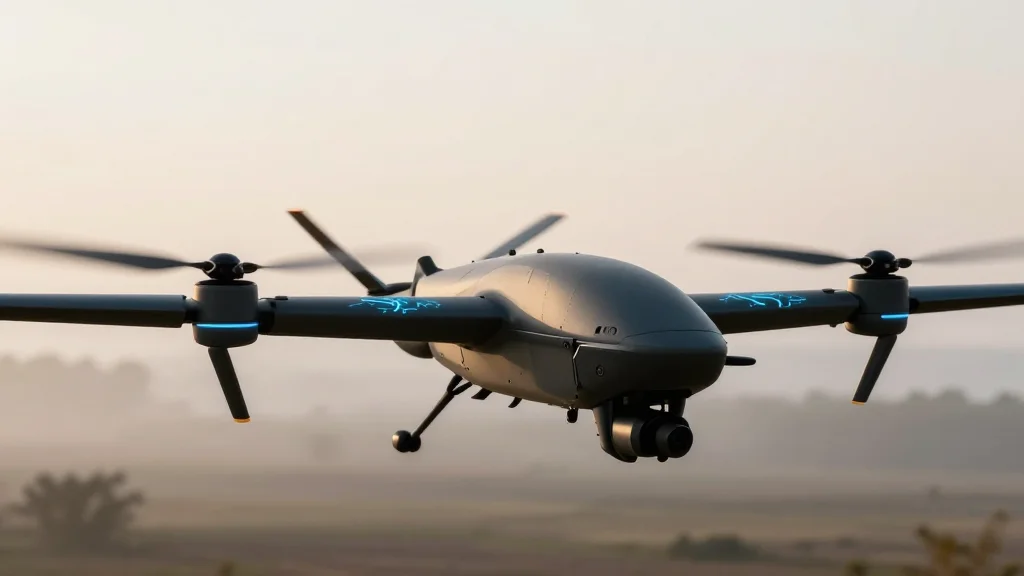
Geoffrey Hinton’s evolution on military AI underscores how real‑world conflict can challenge theoretical ethics. Once a vocal advocate for a global ban on lethal autonomous weapons, Hinton now admits that AI‑powered drones have become a lifeline for Ukrainian forces, illustrating the technology’s capacity to level asymmetrical battles. This admission does not signal an endorsement of fully autonomous kill‑machines; rather, it reflects a pragmatic recognition that AI can augment human decision‑making on the battlefield, especially when speed and precision are critical.
The Ukraine war has turned into a de‑facto laboratory for AI‑driven warfare, prompting both allies and adversaries to accelerate development of autonomous systems. In Washington, President Trump’s recent AI National Security Memorandum urges rapid deployment of AI to maintain strategic overmatch, while the Pentagon’s labeling of Anthropic as a supply‑chain risk signals a willingness to sideline corporate caution. Simultaneously, tech workers at firms like Google and Microsoft continue to push back against defense contracts, highlighting a growing divide between national security imperatives and corporate responsibility.
Looking ahead, Hinton stresses that public engagement will be the primary check on unchecked AI militarization. As AI models become more capable, the line between human‑in‑the‑loop and fully autonomous weapons blurs, raising the specter of faster, larger‑scale casualties. Policymakers must balance the operational benefits highlighted by Ukraine’s experience with robust governance frameworks that ensure accountability, transparency, and civilian protection. The debate sparked by Hinton’s shift may catalyze stronger international norms and domestic oversight, shaping the future trajectory of AI in warfare.
'Godfather of AI' Geoffrey Hinton says the war in Ukraine changed his view of military AI
Comments
Want to join the conversation?
Loading comments...