Harvard Law: Anthropic Is About to Sell a Safety Mission Wall Street Can Veto
Companies Mentioned


Why It Matters
The analysis highlights a structural risk for fast‑growing AI firms: mission‑centric governance can alienate investors and destabilize companies, influencing valuation and regulatory scrutiny ahead of major IPOs.
Key Takeaways
- •Ben & Jerry’s guardians caused $1 billion pension divestments.
- •OpenAI’s safety board was ousted after 2023 employee revolt.
- •Anthropic’s IPO includes a trust ‘kill switch’ for mission directors.
- •Harvard study warns mission guardians may backfire on investors.
Pulse Analysis
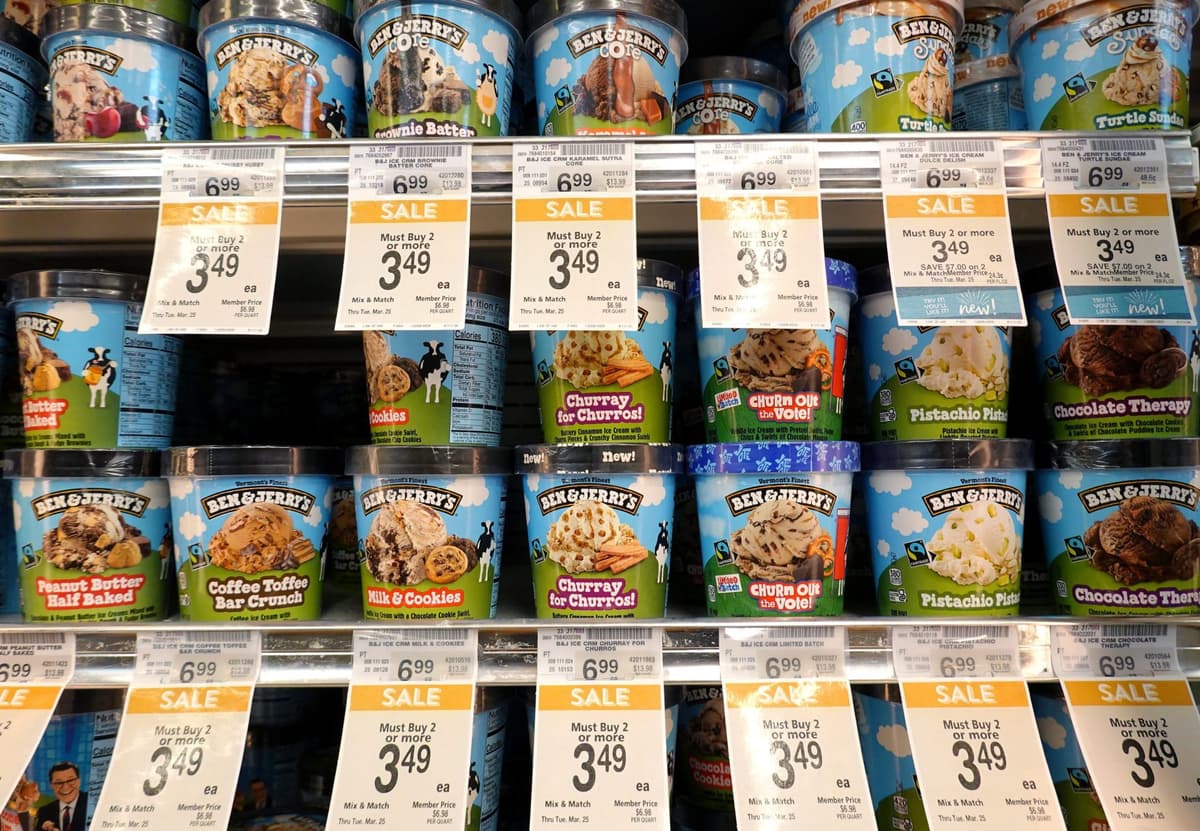
The Harvard Law paper frames the "Ben & Jerry’s risk" as a cautionary tale for AI firms that embed mission‑driven guardians into for‑profit structures. When Unilever’s independent board blocked the Israeli license, the backlash cost the parent company up to $26 billion in market value and spurred state pension funds to pull nearly $1 billion in holdings. The episode illustrates how well‑intentioned oversight can generate political controversy, erode shareholder confidence, and ultimately force a parent to sideline the very directors meant to protect its social purpose.
OpenAI’s experience reinforces the dilemma. After converting to a public‑benefit corporation in 2025, the nonprofit OpenAI Foundation retained veto power over safety decisions. Yet the 2023 board ouster of CEO Sam Altman, driven by safety concerns, sparked a mass employee walk‑out that forced the board to reverse its decision. The episode exposed how mission guardians can become flashpoints for internal conflict, potentially compromising both safety goals and investor trust, especially as the company faces litigation and heightened regulatory attention.
Anthropic’s confidential IPO filing offers a different blueprint. By pairing a Long‑Term Benefit Trust with a public‑benefit corporation, the company grants investors a super‑majority right to terminate the trust and remove its appointed directors—a "kill switch" designed to keep guardians in check. While the structure aims to balance safety oversight with investor control, its effectiveness remains untested. If the model proves resilient, it could set a precedent for future AI IPOs; if not, the industry may see another high‑profile failure, underscoring the need for governance frameworks that survive leadership changes and market pressures.
Harvard Law: Anthropic is about to sell a safety mission Wall Street can veto
Comments
Want to join the conversation?
Loading comments...