How AI Adoption Is Reshaping India’s Agri Sector: Risks, Opportunities & Advisory Imperatives
•March 1, 2026
0
Companies Mentioned


Why It Matters
AI can lift productivity and climate resilience for half of India’s workforce, but without inclusive safeguards the technology could widen existing inequities in the sector.
Key Takeaways
- •AI drives precision farming, boosting yields, saving water.
- •Climate‑intelligence models give early warnings, reducing losses.
- •Market‑analytics tools improve price forecasting for smallholders.
- •Data privacy and digital divide hinder inclusive adoption.
- •Advisory framework needed: infrastructure, training, ethical governance.
Pulse Analysis
India’s agricultural landscape is undergoing a digital transformation as AI moves from experimental labs into national policy. The government’s Digital Agriculture Mission and AgriStack initiatives aim to create a data‑rich ecosystem where satellite imagery, soil sensors and weather feeds converge into actionable insights. By embedding AI into extension services, the sector is poised to shift from intuition‑based practices to evidence‑driven decision‑making, a change that could raise overall productivity and stabilize farmer incomes across diverse agro‑ecological zones.
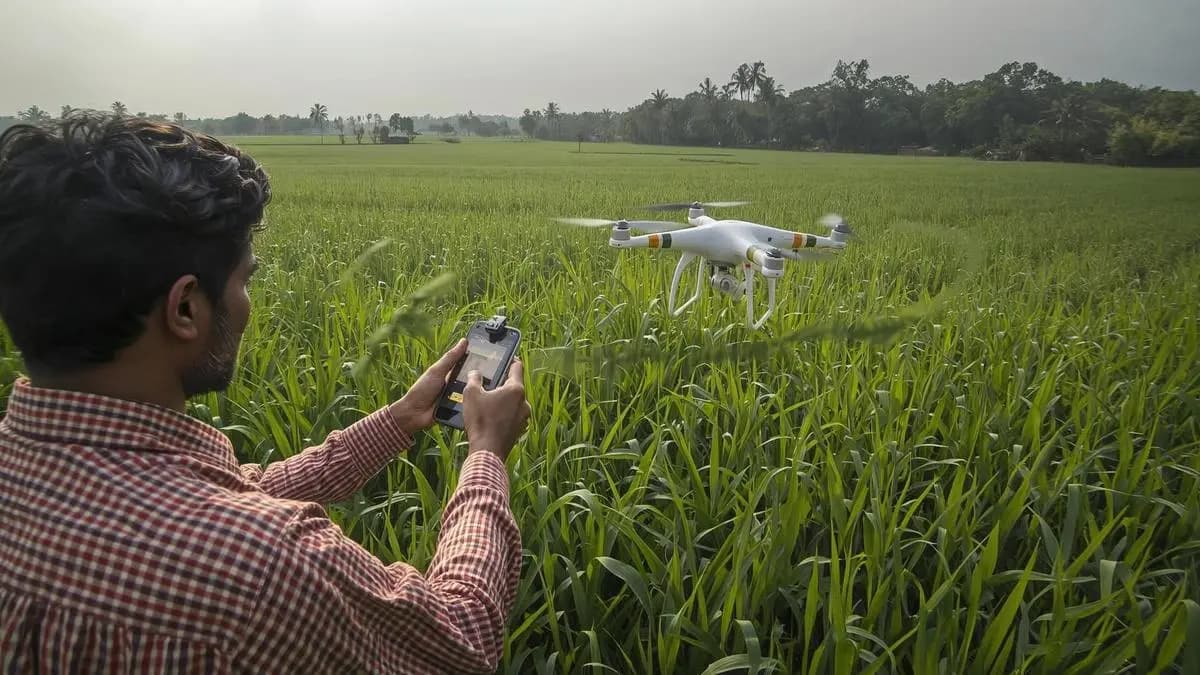
The most visible AI applications are precision farming tools that tailor water, fertilizer and pesticide use to exact field conditions, delivering higher yields while conserving scarce resources. Climate‑intelligence platforms process real‑time meteorological data to forecast rainfall variability, pest outbreaks and extreme events, enabling farmers to adjust sowing schedules proactively. Meanwhile, AI‑powered market analytics sift through transaction data from e‑NAM and state mandis, offering price trend predictions that help smallholders choose crops and timing that maximize returns. Digital assistants and multilingual chatbots further democratize access to credit, insurance and scheme information, reducing long‑standing information asymmetries.
Despite these gains, structural challenges loom. Extensive data collection raises questions about ownership, consent and security, especially for marginal farmers lacking bargaining power. The digital divide—uneven broadband coverage, limited smartphone penetration and low digital literacy—risks concentrating AI benefits among larger, tech‑savvy operations. To mitigate these risks, policymakers and industry players must invest in rural connectivity, develop open‑source data standards, and launch capacity‑building programs that blend traditional knowledge with AI insights. Robust ethical governance, transparent algorithms and farmer‑centric design will be essential to ensure AI becomes a catalyst for a more resilient and equitable Indian agrarian economy.
How AI adoption is reshaping India’s agri sector: Risks, opportunities & advisory imperatives
0
Comments
Want to join the conversation?
Loading comments...