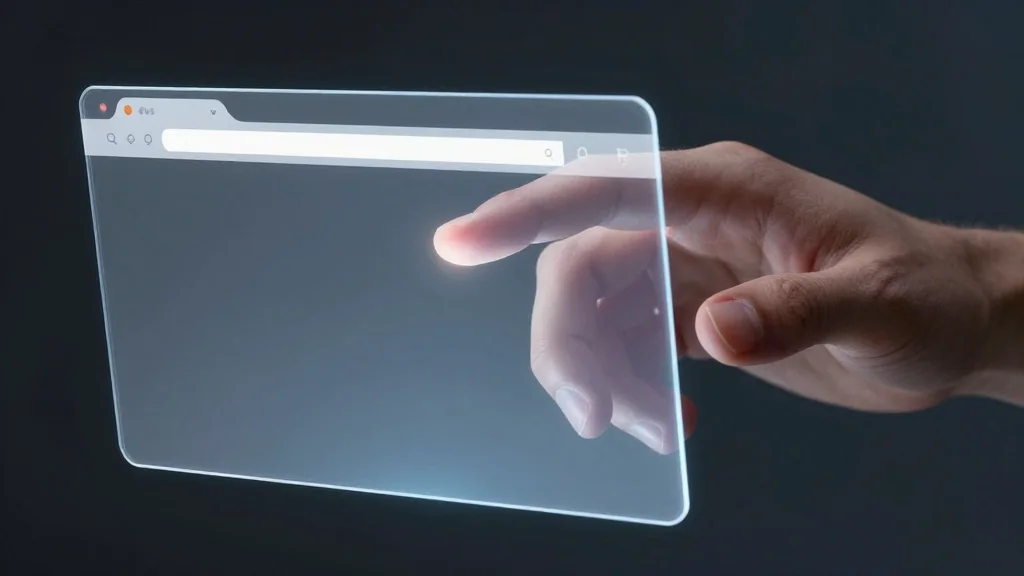
Hugging Face Pushes Into “Computer Use” With HoloTab Agent that Works Through Your Browser

Companies Mentioned



Why It Matters
By sidestepping APIs, HoloTab lets enterprises automate legacy web tools and fragmented workflows, expanding AI’s reach and reducing integration costs.
Key Takeaways
- •HoloTab runs a 35B model inside Chrome for UI‑level tasks.
- •Holo3‑35B‑A3B tops OSWorld‑Verified benchmark for multi‑step interactions.
- •AI “computer use” bypasses APIs, clicking and typing like a human.
- •Competitors Anthropic, OpenAI, Google also launching similar UI agents.
- •Browser‑based agents can automate legacy dashboards without code changes.
Pulse Analysis
The term “computer use” describes a shift from traditional API‑driven automation toward models that interact with software exactly as a human would—moving the mouse, typing, and reading the screen. While robotic process automation has long relied on scripted clicks, today’s large language models bring reasoning and adaptability to that loop. Hugging Face’s HoloTab embodies this evolution, offering a browser‑resident agent that can complete tasks such as replying to emails, filling forms, or researching contacts without any custom code. This approach opens AI to the vast majority of web‑based tools that lack clean integration points.
HoloTab is powered by the newly released Holo3‑35B‑A3B model, a 35‑billion‑parameter transformer that the company claims leads the OSWorld‑Verified benchmark for multi‑step software interaction. The model runs inside a Chrome extension, processing the rendered DOM and visual cues to decide which elements to click or what text to enter. Because the logic lives in the browser, organizations avoid the overhead of building and maintaining APIs for each legacy system. The extension also leverages Hugging Face’s inference infrastructure, allowing on‑demand scaling while keeping latency low enough for interactive use.
The launch positions Hugging Face alongside Anthropic’s Claude Code, OpenAI’s updated Codex, and Google’s Gemini computer‑use model, signaling a broader industry bet on UI‑level agents. For businesses, this means a faster path to automate fragmented processes that span CRM dashboards, internal portals, and third‑party SaaS applications. As more firms adopt such agents, the pressure on standards like the Model Context Protocol may increase, but the immediate value lies in extending AI productivity without rewriting existing software. In the near term, we can expect pilot deployments in customer support, sales outreach, and internal compliance monitoring, accelerating the AI‑automation curve.
Hugging Face pushes into “computer use” with HoloTab agent that works through your browser
Comments
Want to join the conversation?
Loading comments...