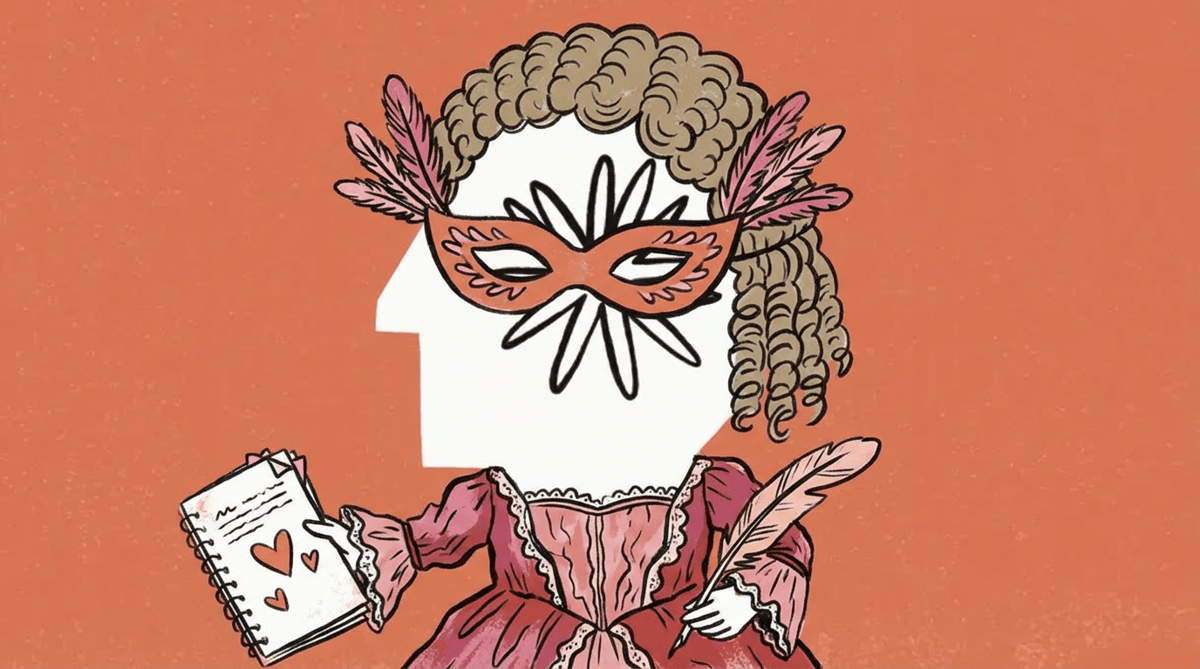
Human Writers Face an Impossible Race Against Chatbots that Finish a Book Before Lunch
•February 9, 2026
0
Companies Mentioned



Why It Matters
The hidden use of AI threatens traditional authorship models and raises ethical questions about transparency, while reshaping revenue dynamics in the lucrative romance market.
Key Takeaways
- •AI can draft a romance novel in under an hour.
- •Authors hide AI use to maintain sales and credibility.
- •One writer earned six figures publishing AI‑generated romances.
- •AI struggles with nuanced sexual tension and emotional depth.
- •Survey shows about a third of authors secretly use AI.
Pulse Analysis
The romance publishing sector is experiencing a quiet disruption as AI tools accelerate content creation. Writers like Coral Hart demonstrate that a novel can be generated in under an hour, slashing the months‑long timeline typical for human authors. By masking AI involvement, these publishers tap into readers’ expectations for authentic storytelling, preserving sales while leveraging the cost efficiency of machine‑generated prose. This covert strategy mirrors broader trends where technology augments creative output without overt disclosure, challenging conventional notions of authorship.
Technical limitations, however, temper AI’s appeal. Models such as Claude excel at elegant language but falter on the slow‑burn intimacy that defines successful romance plots. Other engines produce graphic scenes that feel rushed, lacking the emotional nuance readers crave. Authors must supply detailed prompts—lists of kinks, tone specifications—to coax more believable intimacy, underscoring the current gap between human empathy and algorithmic output. These shortcomings highlight why many writers still value human insight for character depth and emotional resonance.
From a business perspective, the concealed use of AI raises both opportunity and risk. Publishers can dramatically increase output and profit margins, as evidenced by six‑figure earnings from AI‑driven titles. Yet the lack of transparency may erode consumer trust if uncovered, prompting potential regulatory scrutiny and backlash from author unions. Industry stakeholders must balance efficiency gains with ethical disclosure, possibly redefining royalty structures and marketing practices. As AI models improve, the line between human‑crafted and machine‑assisted romance will blur, compelling the market to establish new standards for authenticity and accountability.
Human writers face an impossible race against chatbots that finish a book before lunch
0
Comments
Want to join the conversation?
Loading comments...