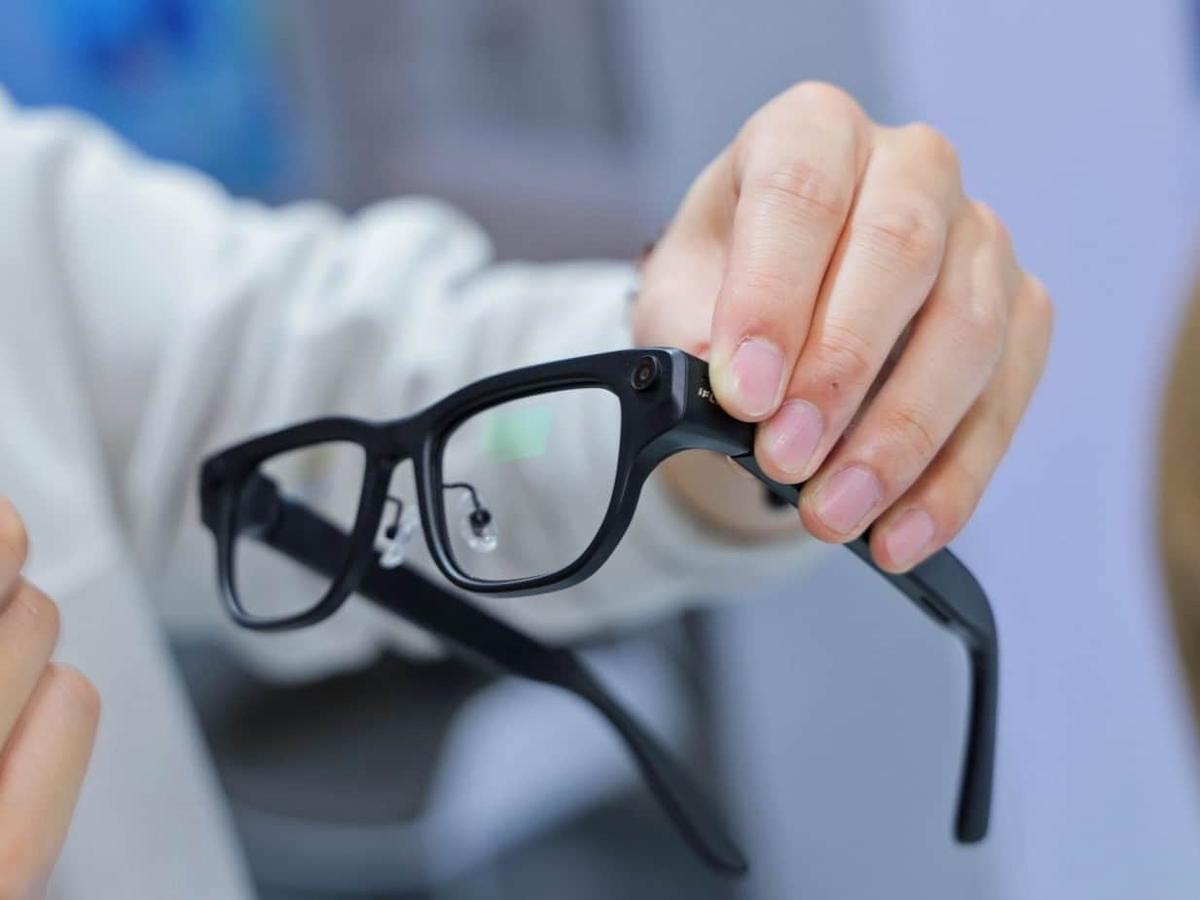
IFlytek Launches AI Glasses as Privacy Concerns Grow over Wearable Cameras


Why It Matters
iFlytek’s glasses push smart eyewear toward everyday productivity, but their pervasive sensing fuels regulatory scrutiny and privacy concerns that could shape future wearable legislation.
Key Takeaways
- •iFlytek AI Glasses launch at BEYOND Expo, priced $635.
- •Supports real-time translation in 122 languages using lip‑motion noise reduction.
- •“Hear who you look at” isolates speech with 5+1 mic array.
- •GlassClaw AI agent transcribes meetings, drafts emails, and plans travel.
- •Privacy advocates fear covert recording, urging updates to wiretap laws.
Pulse Analysis
The iFlytek AI Glasses represent a significant step in turning wearable optics from a novelty into a practical assistant. By embedding a resin waveguide display, bone‑conduction audio, and a sophisticated 5+1 microphone array, the device can capture and translate speech from a specific individual in noisy environments. This capability, marketed as "hear who you look at," addresses a long‑standing pain point for travelers and professionals who need accurate, on‑the‑fly translation without holding a phone.
Beyond translation, iFlytek is positioning the glasses as a full‑stack office tool. The GlassClaw AI agent handles meeting transcription, email composition, and travel planning through voice commands, while an adaptive teleprompter scrolls text in sync with the wearer’s cadence. Such integration blurs the line between hardware and AI services, echoing Meta’s strategy of tying wearables to subscription‑based AI platforms. As major players like Google, Samsung, Qualcomm, Apple and OpenAI explore similar ecosystems, the market is converging on devices that not only display information but also interpret context and act autonomously.
However, the technology raises acute privacy questions. The glasses can record video and audio discreetly, and their lip‑motion recognition can identify speakers without overt indicators. Legislators are already debating extensions to wiretap statutes to cover smart glasses, while civil‑society groups warn that such devices could become ubiquitous surveillance tools. The regulatory response will likely dictate adoption rates, as consumers and enterprises weigh the productivity gains against potential legal and ethical risks. iFlytek’s launch thus sits at the crossroads of innovation, competition, and emerging privacy frameworks.
iFlytek launches AI glasses as privacy concerns grow over wearable cameras
Comments
Want to join the conversation?
Loading comments...