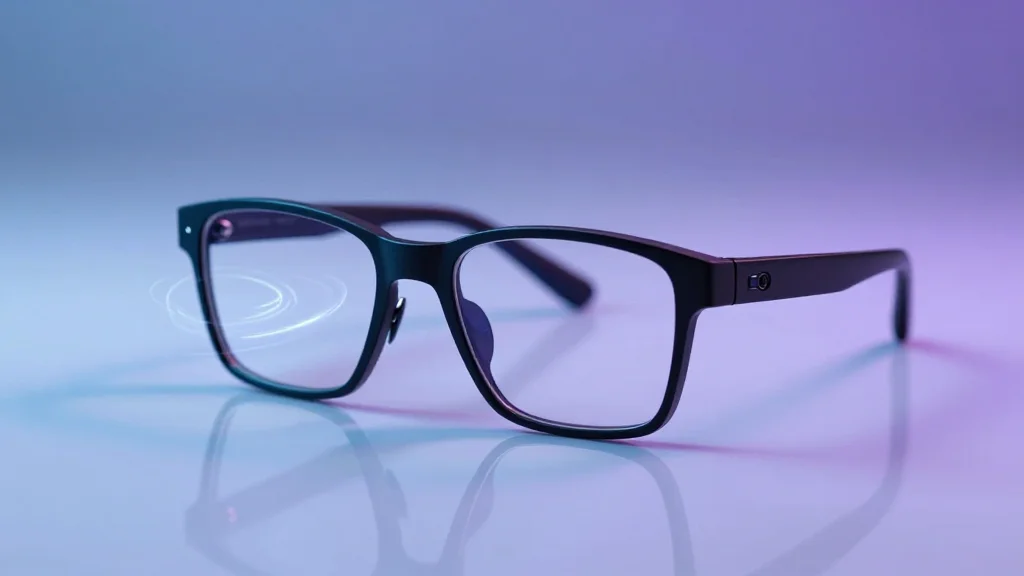
Inside the Coming War over Face Cameras
Companies Mentioned


Why It Matters
Camera‑enabled AI glasses raise acute privacy and regulatory risks that could reshape product roadmaps and market adoption across the consumer electronics sector.
Key Takeaways
- •Meta, Google, Samsung, Apple, Amazon all plan AI glasses with cameras
- •Texas AG opened privacy investigation into Ray‑Ban Meta glasses
- •Meta contractors in Kenya reviewed raw footage from users
- •Restaurants, gyms, and courthouses are banning camera‑equipped smart glasses
- •Future may force industry to drop cameras or normalize constant recording
Pulse Analysis
The convergence of miniaturized optics, on‑device AI and multimodal input has turned smart glasses from a novelty into a strategic priority for the world’s biggest tech firms. Meta’s second‑generation Ray‑Ban glasses, Google’s Android XR‑powered frames, Samsung’s "Jinju" prototype and Apple’s rumored N50 model all promise everyday wearability with built‑in cameras, positioning the devices as the next interface for voice, vision and gesture commands. By leveraging existing ecosystems—Meta’s social graph, Google’s Gemini AI, Samsung’s hardware expertise—the industry expects a flood of consumer‑grade products by year‑end.
Yet the promise is shadowed by mounting privacy concerns. State attorneys general have launched investigations, citing the ability of these lenses to capture biometric data without clear consent. Investigative reports uncovered Meta contractors in Kenya reviewing raw video, while hidden facial‑recognition code—dubbed "NameTag"—surfaced in the companion app, prompting civil‑society letters to Congress. In response, venues from courthouses to gyms are instituting bans, and cities are debating outright prohibitions, echoing the backlash that sank Google Glass a decade ago.
The industry now faces a fork in the road. One trajectory assumes social norms will evolve, accepting ubiquitous recording much like smartphone cameras today, allowing manufacturers to double‑down on camera‑centric designs. The alternative forces a redesign toward camera‑free or opt‑in models, emphasizing audio‑only or external sensor inputs to sidestep regulatory scrutiny. Investors and product teams must weigh the speed of consumer adoption against the cost of potential litigation and brand damage, making the coming months critical for the future of AI wearables.
Inside the coming war over face cameras
Comments
Want to join the conversation?
Loading comments...