Why It Matters
By letting developers work in their preferred toolchains and leveraging AI agents to author benchmarks, Kaggle lowers the barrier to creating high‑quality evaluations, speeding up research and fostering competitive progress across the AI ecosystem.
Key Takeaways
- •Over 10,000 community‑created benchmark tasks exist
- •New CLI lets developers build tasks from VSCode, Cursor, etc
- •AI agents can generate benchmarks via natural‑language prompts
- •Local workflow reduces reliance on Kaggle’s web notebook
- •Transparent leaderboards give labs rapid, objective performance signals
Pulse Analysis
The rapid evolution of large language models from chat‑only interfaces to multi‑modal reasoning agents has exposed the shortcomings of static, one‑off benchmarks. Researchers now demand dynamic, real‑world evaluations that can keep pace with emerging capabilities such as code generation, tool use, and complex problem solving. Kaggle’s Benchmarks initiative answers that call by crowd‑sourcing evaluation tasks, creating a public, transparent leaderboard that reflects diverse use cases and encourages labs to chase measurable improvements.
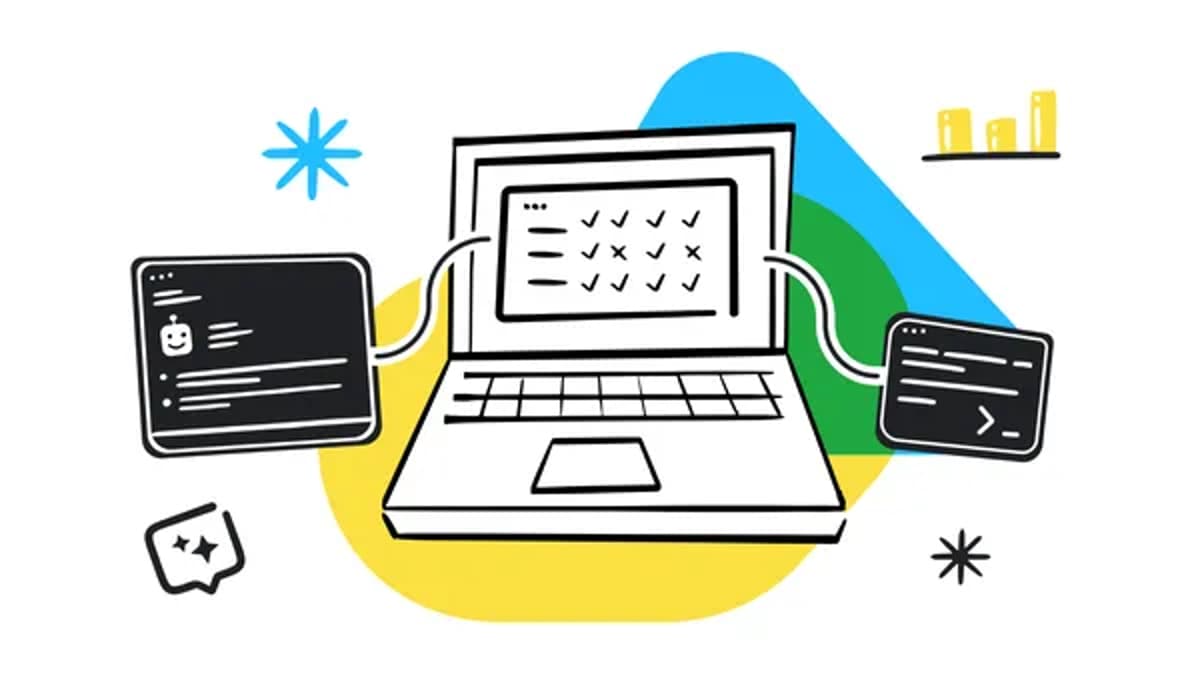
Kaggle’s latest release removes the friction of building these tasks inside a browser‑based notebook. By integrating the Kaggle CLI with popular IDEs like VSCode, Cursor, and Antigravity, developers can author, test, and submit benchmarks from their native environments, preserving existing workflows and version‑control practices. The addition of the write‑kaggle‑benchmarks skill further streamlines the process: a simple natural‑language prompt to an AI coding agent can produce a ready‑to‑run task, lowering the technical threshold for contributors and accelerating the pipeline from idea to public evaluation.
The broader impact is a more democratized AI research landscape. Transparent, community‑driven leaderboards give startups and academic labs the same objective performance signals as large corporations, fostering healthy competition and faster iteration cycles. As more organizations adopt Kaggle Benchmarks for internal validation, the ecosystem benefits from richer, more diverse data points that can guide model safety, reliability, and real‑world applicability. In short, local development and AI‑assisted task creation are poised to become standard tools for the next generation of AI benchmarking.
Kaggle is making AI benchmark creation effortless
Comments
Want to join the conversation?
Loading comments...