Lost in Translation: Why AI Voice Agents Fail South Africans
Companies Mentioned
Why It Matters
These shortcomings threaten customer satisfaction, data sovereignty, and expose businesses to fraud, making localized, low‑latency AI essential for South Africa’s contact‑center market.
Key Takeaways
- •South African drop‑off rates rise with foreign‑accent AI voices.
- •Latency above 400 ms makes bots sound abrasive or robotic.
- •Untapped AI routes calls through local data centres for compliance.
- •MzansiLM offers 125 M parameters across all 11 official languages.
- •Vendors must prove genuine local language support to avoid fraud risk.
Pulse Analysis
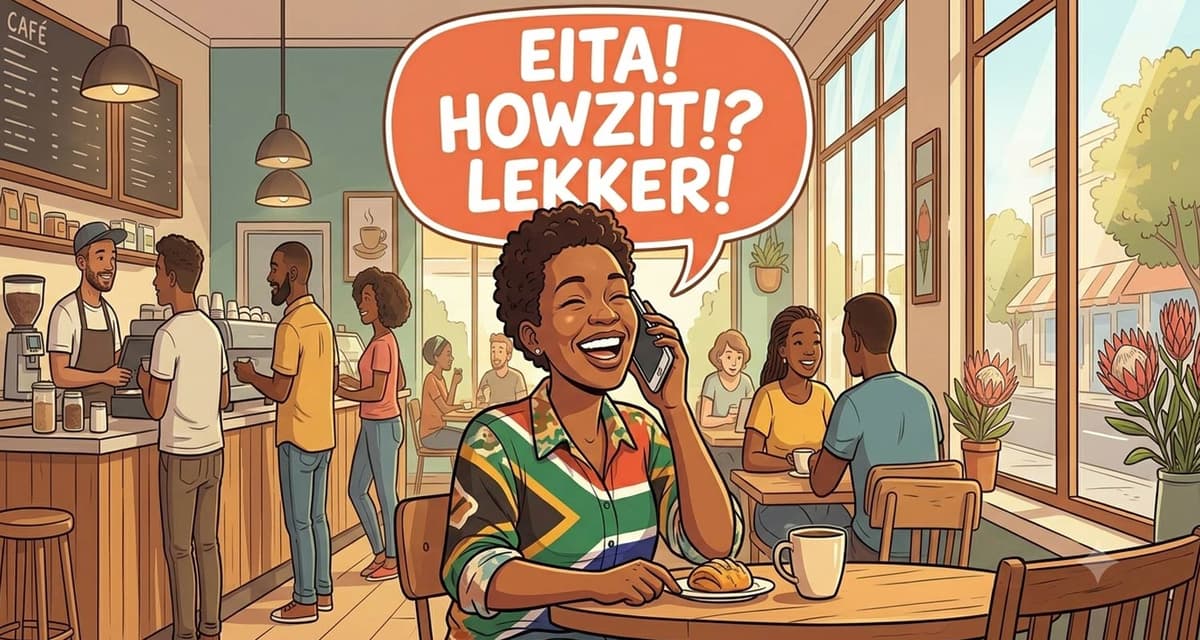
AI voice agents have become the backbone of customer service in many emerging markets, yet South Africa’s unique linguistic landscape and telecom infrastructure expose a mismatch between imported technology and local expectations. While global providers ship models trained on American English, South African callers prefer native slang, Afrikaans nuances, and the eleven official languages. When an AI voice sounds foreign or fails to understand regional idioms, customers quickly disengage, inflating drop‑off rates and eroding brand trust. This cultural friction is compounded by technical latency, a factor often overlooked in software‑first deployments.
The latency threshold—roughly 300 ms for a seamless experience and 700 ms where the bot feels mechanical—stems from South Africa’s reliance on international routing and legacy telephony stacks. Untapped AI’s strategy of local data‑centre hosting, end‑to‑end control of GPUs, and ISO 27001 certification directly addresses both latency and data‑sovereignty concerns, delivering faster, compliant interactions. By recording native voice talent rather than relying on synthetic speech, the company reduces the robotic accent effect, while its hybrid architecture ensures calls stay within domestic networks, cutting round‑trip times and preserving customer confidence.
Beyond engineering, language capacity remains a critical gap. The University of Cape Town’s MzansiLM, a 125‑million‑parameter model covering all official languages, demonstrates that home‑grown AI can bridge low‑resource barriers that major US vendors overlook. Enterprises must demand transparent proof of genuine language support and contextual awareness, especially as localized voice agents could be weaponized for sophisticated fraud targeting vulnerable populations. As multinational cloud providers promise localized models within 12‑18 months, early movers with indigenous solutions like Untapped AI are poised to capture market share and set new standards for responsible AI deployment in Africa.
Lost in translation: why AI voice agents fail South Africans
Comments
Want to join the conversation?
Loading comments...