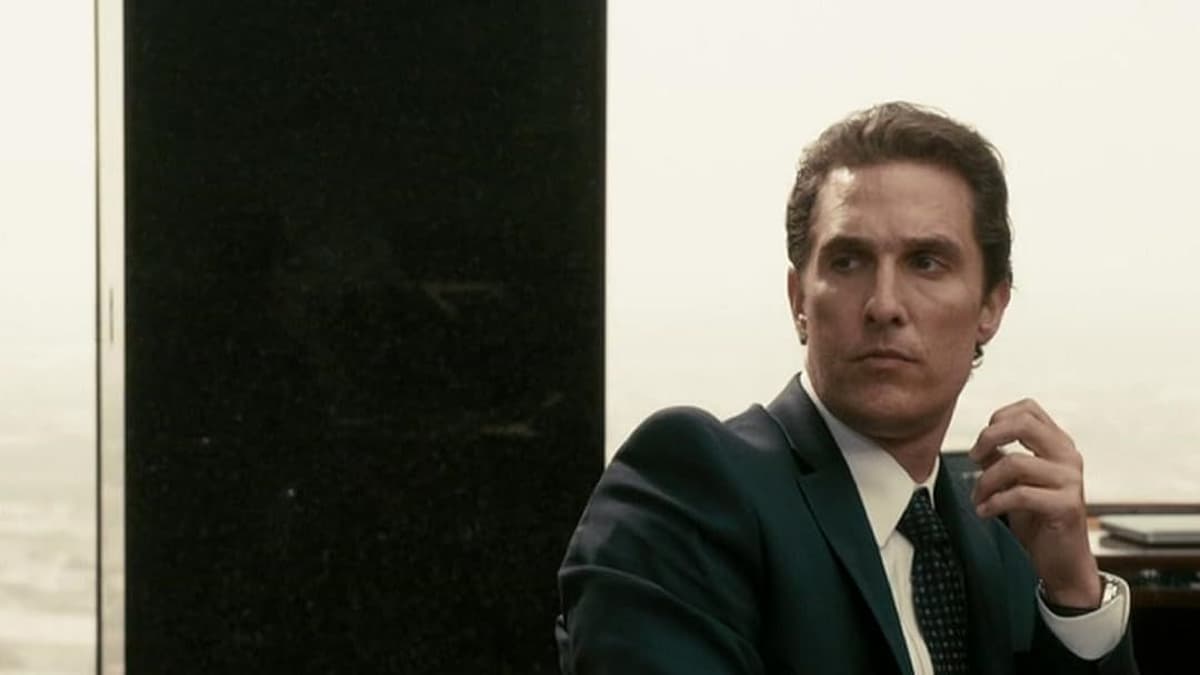
Matthew McConaughey Trademarking Himself Saying 'Alright, Alright, Alright' Is a Preview of Hollywood’s Coming AI Identity Crisis
•January 16, 2026
0
Companies Mentioned


Why It Matters
The trademark signals a looming legal battle over synthetic media, forcing the entertainment sector and regulators to confront AI‑driven identity theft. It underscores the urgent need for robust, uniform protections for both celebrities and everyday creators.
Key Takeaways
- •McConaughey trademarks “alright, alright, alright” voice phrase.
- •Trademark aims to pre‑empt AI deepfake misuse.
- •Current right‑of‑publicity laws vary, offering limited protection.
- •SAG‑AFTRA secured AI consent clauses in 2023 strike.
- •Industry faces need for new legal frameworks and norms.
Pulse Analysis
The celebrity’s trademark filing is less about branding than about establishing a legal foothold in a rapidly evolving AI landscape. While trademarks traditionally guard logos and slogans, McConaughey’s move tests whether they can also deter unauthorized voice replication. Experts warn that courts have yet to define the boundaries, leaving a gray area where deepfake creators could still operate under fair‑use or parody defenses. This uncertainty pushes other public figures to consider similar protective strategies, even as the existing patchwork of state right‑of‑publicity statutes offers uneven coverage.
Hollywood’s labor unions have already begun codifying AI safeguards. The 2023 SAG‑AFTRA strike produced an agreement that mandates informed consent, fair compensation, and usage limits for synthetic reproductions of performers. Despite these gains, studios are already deploying AI‑generated doubles for stunts, de‑aging, and entirely virtual characters, accelerating the technology’s adoption faster than legal frameworks can adapt. Union leaders, like SAG‑AFTRA President Sean Astin, are engaging with AI vendors at events such as CES to shape policy and ensure members’ likenesses aren’t exploited without proper remuneration.
Beyond the marquee names, the looming crisis affects anyone who shares content online. As AI models scrape publicly available audio and video to build voiceprints, ordinary creators risk having their identities weaponized for commercial gain. The industry therefore faces a dual challenge: crafting enforceable regulations that protect personal likenesses and fostering cultural norms that respect consent. Without coordinated legal reforms and platform accountability, the power imbalance will widen, leaving both celebrities and everyday users vulnerable to unauthorized synthetic representations.
Matthew McConaughey trademarking himself saying 'alright, alright, alright' is a preview of Hollywood’s coming AI identity crisis
0
Comments
Want to join the conversation?
Loading comments...