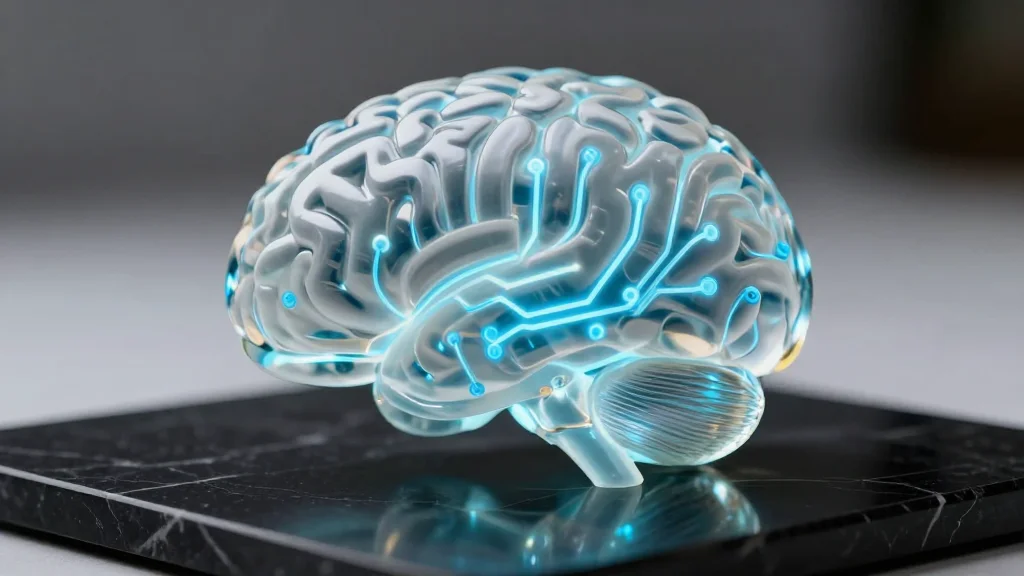
New AI Research Reshapes Neuroprotective Drug Discovery Funding
Why It Matters
AI accelerates target identification and trial design, potentially shortening time‑to‑market for neuroprotective drugs and creating high‑growth investment avenues in a rapidly expanding market.
Key Takeaways
- •North America neuroprotective market 4.5% CAGR to 2030
- •AI-driven startups raised over $400 million this year
- •Pharma partners building AI supercomputers for drug design
- •Digital twins enable patient-specific neuroprotective trials
- •Blood‑brain barrier prediction tools accelerate molecule selection
Pulse Analysis
Artificial intelligence is becoming a cornerstone of neuroprotective drug discovery, a sector projected to expand at a 4.5% compound annual growth rate in North America through 2030. Venture capital is responding aggressively, with recent funding rounds totaling more than $400 million across companies like Nilo Therapeutics and Verge Genomics. This capital influx reflects confidence that AI can de‑risk early‑stage research, streamline molecule design, and improve the predictive power of pre‑clinical models, ultimately lowering development costs and enhancing therapeutic efficacy.
The partnership landscape is evolving as pharmaceutical giants join forces with technology leaders to embed AI throughout the drug‑development pipeline. Eli Lilly’s collaboration with NVIDIA to build an AI supercomputer exemplifies how deep‑learning platforms are being leveraged for high‑throughput target identification and generative chemistry. Simultaneously, joint ventures such as MeiraGTx‑Hologen’s $200 million deal and Biogen’s work with TheraPanacea illustrate a strategic shift toward co‑development of digital biomarkers, precision dosing algorithms, and blood‑brain barrier penetration models. These alliances accelerate the translation of computational insights into clinical candidates.
For investors, the convergence of AI and neuroprotection signals a compelling growth narrative. The ability to simulate patient responses with digital twins and predict trial outcomes reduces attrition risk, making the sector more attractive for equity and venture funding. However, success hinges on integrating robust data pipelines, navigating regulatory scrutiny around AI‑generated insights, and ensuring cross‑disciplinary expertise. Stakeholders who can balance technological innovation with clinical validation are poised to capture outsized returns as AI reshapes the future of neuroprotective therapeutics.
New AI research reshapes neuroprotective drug discovery funding
Comments
Want to join the conversation?
Loading comments...