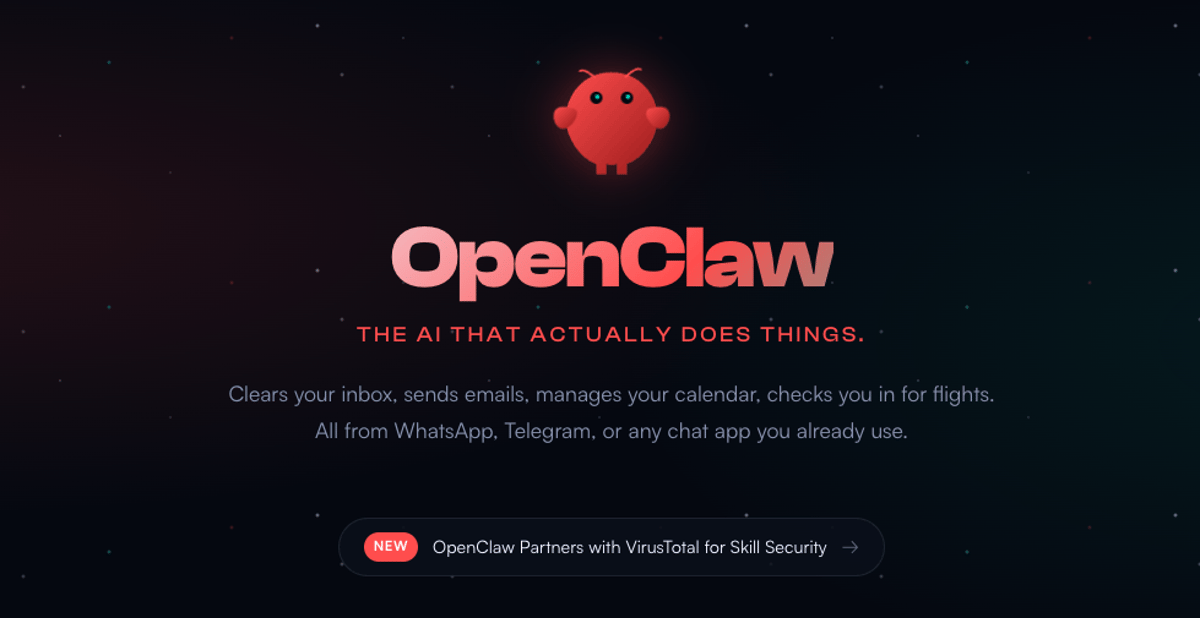
OpenClaw: What Teachers Need To Know
•February 19, 2026
0
Companies Mentioned


Why It Matters
OpenClaw illustrates how AI agents can integrate into classroom workflows while raising privacy and security debates, signaling a shift toward locally hosted educational AI.
Key Takeaways
- •OpenClaw runs locally, limiting cloud data exposure
- •Setup requires technical expertise, deterring non‑tech users
- •Free, open‑source model competes with paid AI agents
- •Performs well on research, lesson‑plan summarization tasks
- •Security concerns persist due to full system access
Pulse Analysis
The rise of AI agents in education reflects a broader demand for tools that can automate research, lesson planning, and administrative tasks. While cloud‑based assistants offer convenience, they also expose student data to third‑party servers, prompting schools and teachers to seek more private solutions. OpenClaw’s locally hosted architecture directly addresses these concerns, giving educators control over data residency and reducing reliance on external APIs. This privacy‑first approach aligns with tightening regulations such as FERPA and GDPR, making it an attractive prototype for institutions wary of data leakage.
OpenClaw differentiates itself through its open‑source licensing and modular design, allowing technically proficient users to customize workflows and integrate the agent with existing messenger platforms. The tool can autonomously order supplies, summarize emails, and curate lesson‑plan resources, often delivering results that rival commercial competitors like Google’s Auto Browse. However, the requirement to install and configure the software on a personal device introduces a steep learning curve, limiting adoption among less tech‑savvy educators. Moreover, granting an AI full system access raises legitimate security alarms; recent industry restrictions underscore the need for robust sandboxing and permission controls before widespread deployment.
For the education technology market, OpenClaw signals a potential pivot toward hybrid AI models that blend on‑device processing with optional cloud enhancements. As developers refine user‑friendly installers and embed stronger safety nets, locally hosted agents could become mainstream, offering a balance between performance and privacy. Teachers monitoring emerging tools should evaluate OpenClaw’s capabilities against institutional risk policies, while vendors may consider offering managed, secure versions to capture the growing demand for accountable AI in the classroom.
OpenClaw: What Teachers Need To Know
0
Comments
Want to join the conversation?
Loading comments...