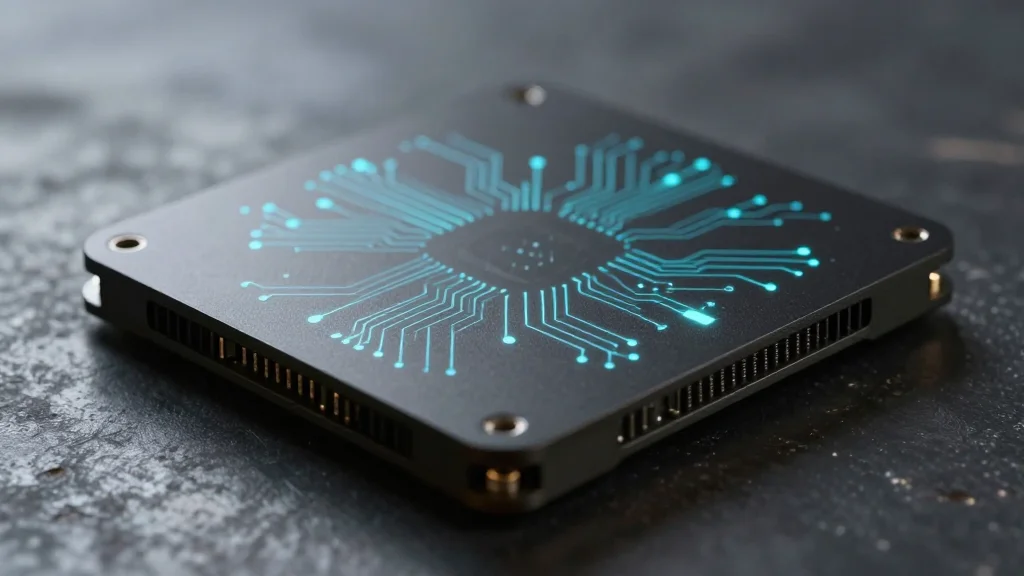
Pentagon's Classified AI Push Spurs Surge in Rugged Embedded Computing Demand

Companies Mentioned

Why It Matters
The Pentagon’s classified AI program marks the first large‑scale effort to embed frontier AI models inside the most secure military networks, turning AI from a research curiosity into a foundational capability. By mandating rugged, low‑SWaP hardware, the DoD is creating a new revenue stream for defense electronics firms and accelerating the convergence of AI and traditional embedded systems. The emphasis on open‑systems architecture also pressures vendors to adopt interoperable standards, potentially reshaping procurement practices across the entire defense sector. Beyond the immediate market, the initiative sets a precedent for how other government agencies and allied nations may approach AI deployment in classified environments. Success could spur a wave of similar contracts worldwide, driving global demand for secure AI hardware and influencing the strategic direction of both AI and defense technology roadmaps.
Key Takeaways
- •Pentagon signs contracts with eight AI leaders, including OpenAI and NVIDIA, for IL6/IL7 deployments.
- •Ruggedized VPX, SOSA and embedded GPU platforms identified as priority hardware.
- •Zero‑Trust and anti‑tamper requirements push suppliers toward open‑systems designs.
- •Edge AI use cases span ISR, autonomous navigation, electronic warfare and counter‑UAS.
- •Analysts project the embedded AI market could exceed $5 billion annually within three years.
Pulse Analysis
The DoD’s decision to embed AI inside IL6 and IL7 environments is a watershed for the defense electronics supply chain. Historically, military AI projects have been siloed, with limited hardware overlap between classified and unclassified domains. By treating AI as core infrastructure, the Pentagon forces vendors to reconcile two traditionally divergent design philosophies: the high‑performance, power‑hungry GPUs of commercial AI and the rugged, low‑SWaP constraints of aerospace and naval platforms. Companies that have already invested in modular, open‑architecture standards—such as those aligned with the OpenVPX and SOSA initiatives—are poised to capture early contracts, while legacy suppliers may need to re‑engineer product lines or partner with AI specialists to stay relevant.
From a market perspective, the program could catalyze a new segment of "secure AI chips" akin to the trusted‑foundry movement in the semiconductor industry. As the DoD insists on hardware‑rooted trust and supply‑chain assurance, we may see a rise in dedicated AI accelerators that embed cryptographic keys and tamper‑detect circuitry at the silicon level. This could spur competition among chipmakers like Intel, AMD and emerging AI‑focused firms, driving innovation but also raising barriers to entry for smaller players.
Looking ahead, the success of the Pentagon’s AI‑first push will hinge on certification speed and the ability of contractors to deliver scalable, upgradable hardware. If the DoD can streamline its testing pipelines, the defense sector could see a rapid cascade of AI‑enabled capabilities across platforms, reshaping operational doctrine. Conversely, prolonged certification delays or supply‑chain bottlenecks could dampen momentum, prompting the services to revert to more incremental, cloud‑centric AI solutions. The next 12 months will therefore be critical in determining whether this classified AI push becomes a template for future defense modernization or a cautionary tale of over‑ambitious integration.
Pentagon's Classified AI Push Spurs Surge in Rugged Embedded Computing Demand
Comments
Want to join the conversation?
Loading comments...