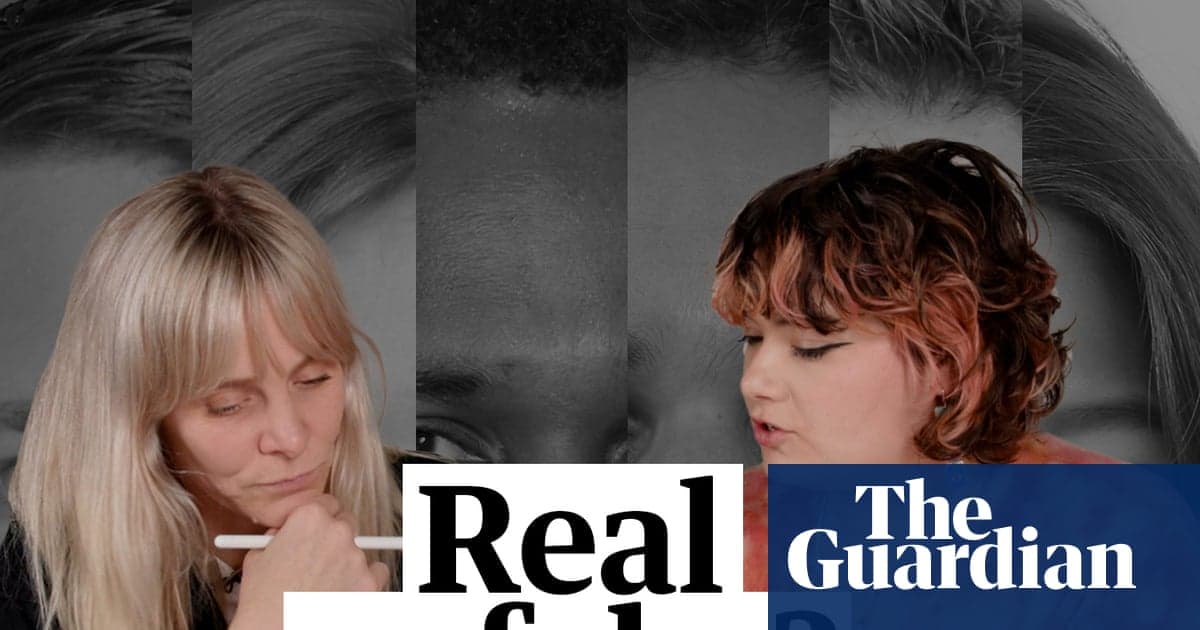
Real or AI: Can a Photographer and Internet Addict Spot Fake Portraits? – Video

Companies Mentioned

Why It Matters
As AI‑generated faces become indistinguishable from reality, verification of visual media grows harder, raising risks for misinformation, fraud, and security across industries.
Key Takeaways
- •UNSW AI faces test challenges users to spot synthetic portraits
- •Guardian presenters struggled, often mistaking AI images for real
- •Study shows human detection accuracy dropping below 60%
- •Rise of deepfake faces threatens media verification and security
- •Experts call for robust AI detection tools and policy standards
Pulse Analysis
Artificial intelligence has reached a point where generative models can create hyper‑realistic human faces that fool even trained eyes. Using diffusion techniques and massive datasets, these systems produce portraits with nuanced lighting, texture, and expression, erasing the visual cues that once signaled a fabricated image. This leap in realism fuels concerns across advertising, journalism, and security sectors, where visual authenticity is paramount.
The UNSW AI faces test, featured in a Guardian video, puts this challenge front and center. Participants, including photographer Carly Earl and internet‑savvy Matilda Boseley, were shown a series of images and asked to label each as real or AI‑generated. Results indicated that many participants misidentified synthetic faces, with overall human accuracy slipping below the 60% mark. The experiment underscores a widening perception gap, suggesting that reliance on instinctual visual judgment is no longer sufficient for media verification.
Industry experts warn that without robust detection tools, deepfake portraits could infiltrate news feeds, social platforms, and even legal evidence. Emerging solutions—such as watermarking, forensic analysis, and AI‑based detectors—are being piloted, but standardization remains elusive. Policymakers are urged to develop clear guidelines that balance innovation with safeguards against misuse. As synthetic media proliferates, organizations must invest in both technology and training to preserve trust in visual content.
Real or AI: can a photographer and internet addict spot fake portraits? – video
Comments
Want to join the conversation?
Loading comments...