South Africa Has AI Leverage. Its Draft Policy Leaves It Unused

Companies Mentioned
Why It Matters
Without a robust AI policy, South Africa risks ceding strategic control of critical AI infrastructure to foreign vendors, setting a precedent for the rest of Africa.
Key Takeaways
- •South Africa holds ~88% of global platinum‑group metal reserves
- •Draft AI policy withdrawn after containing fabricated references
- •US firms pledge $300 M, Huawei offers 90% cheaper AI cloud
- •Lack of data‑sovereignty clauses risks extractive AI dependence
- •Expert panel formed, but no timeline for revised AI policy
Pulse Analysis
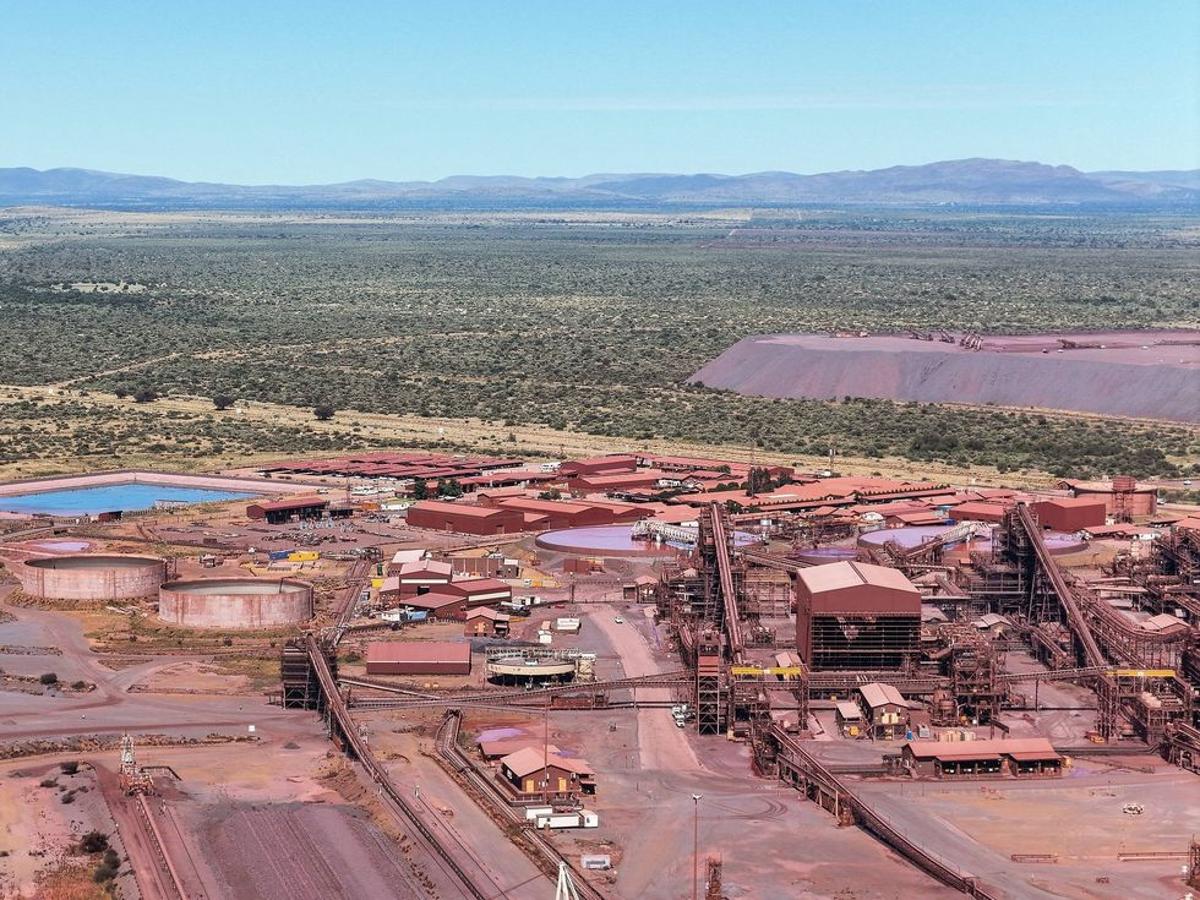
South Africa’s unique position at the intersection of mineral wealth and digital infrastructure gives it a bargaining chip that most developing nations lack. The Bushveld Complex supplies the platinum‑group metals essential for semiconductor manufacturing, while the country’s thriving data‑center ecosystem attracts the world’s biggest hyperscalers. This structural advantage could translate into enforceable terms—such as minimum investment thresholds, data‑sovereignty guarantees, and technology‑transfer clauses—that protect national interests and foster a homegrown AI ecosystem. Yet the withdrawn draft policy, riddled with fictitious citations, left this leverage untapped, exposing the nation to a race between U.S. and Chinese AI vendors.
The competing offers underscore the stakes. Microsoft and other U.S. firms have pledged roughly $300 million to expand cloud and AI services, promising robust security but maintaining closed‑model control. Huawei, on the other hand, bundles its DeepSeek large‑language model with cloud services at up to 90% lower cost, but its infrastructure aligns with Chinese legal frameworks that could enable surveillance. Without clear policy mandates—minimum terms for foreign compute, sovereign data handling, and open‑weight model requirements—South Africa may default to an extractive model that locks the continent into external dependency.
A newly appointed panel of local AI experts aims to rewrite the policy, but the absence of a firm deadline risks further delay. The panel’s mandate includes embedding the GovAI "Governing Through the Cloud" framework, which calls for enforceable roles like securers, record keepers, verifiers, and enforcers. If successful, South Africa could set a regional benchmark for negotiating AI infrastructure on its own terms, turning mineral and energy assets into strategic leverage rather than a source of passive extraction. The outcome will signal whether emerging economies can shape the global AI supply chain or remain downstream consumers.
South Africa Has AI Leverage. Its Draft Policy Leaves It Unused
Comments
Want to join the conversation?
Loading comments...