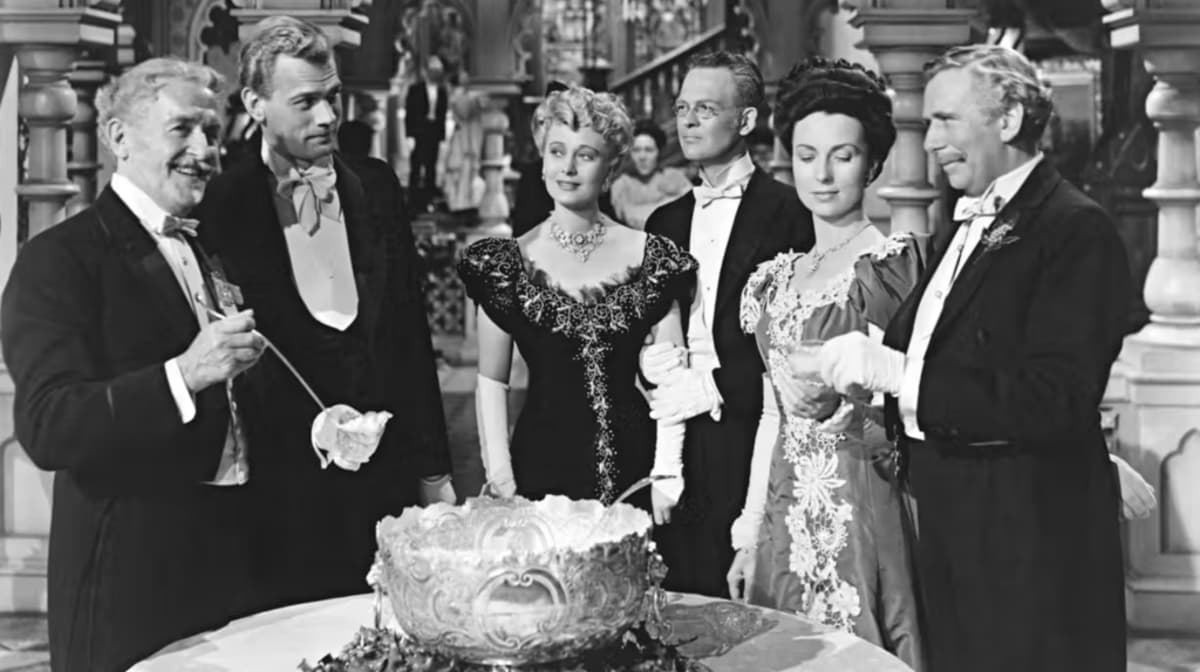
The Lost Scenes of Orson Welles’ The Magnificent Ambersons Are Being Controversially Restored with AI
Companies Mentioned
Why It Matters
If successful, the project could revolutionize film preservation by enabling AI‑driven restoration of damaged or incomplete works, while also prompting industry‑wide debates about copyright, consent, and the definition of creative authorship.
Key Takeaways
- •Fable Studio uses AI to generate missing scenes from archival material
- •Project relies on Amazon-backed Showrunner platform for generative video synthesis
- •Restoration raises ethical debate over deep‑fake recreation of deceased actors
- •Success could set precedent for AI‑driven reconstruction of classic films
Pulse Analysis
The intersection of artificial intelligence and film preservation is moving from theory to practice. While traditional restoration relies on painstaking frame‑by‑frame cleaning, AI can analyze thousands of reference images, scripts and production stills to recreate missing footage in a fraction of the time. This shift mirrors earlier attempts to modernize classic cinema, such as Ted Turner's controversial colorization projects, but adds a layer of synthetic performance that blurs the line between restoration and recreation.
Fable Studio’s approach hinges on Showrunner, an Amazon‑backed generative‑AI engine that learns the visual language of *The Magnificent Ambersons* from the surviving cut and extensive production archives. By first filming contemporary actors and then overlaying AI‑generated faces and voices that match the original cast, the team aims for “emotional authenticity” rather than a simple visual patch. Technical hurdles include matching grain structure, lighting and period‑accurate acting nuances, while ensuring the synthesized scenes respect the film’s original narrative intent.
Beyond the artistic intrigue, the venture raises profound legal and ethical questions. Deep‑fake technology can resurrect deceased performers without their consent, prompting calls for new copyright frameworks and industry standards. At the same time, successful AI reconstruction could unlock commercial value for studios holding incomplete libraries, offering fresh revenue streams through restored releases and streaming licenses. As AI tools become more sophisticated, the balance between preserving cultural heritage and safeguarding creative rights will define the next era of cinematic restoration.
The Lost Scenes of Orson Welles’ The Magnificent Ambersons Are Being Controversially Restored with AI
Comments
Want to join the conversation?
Loading comments...