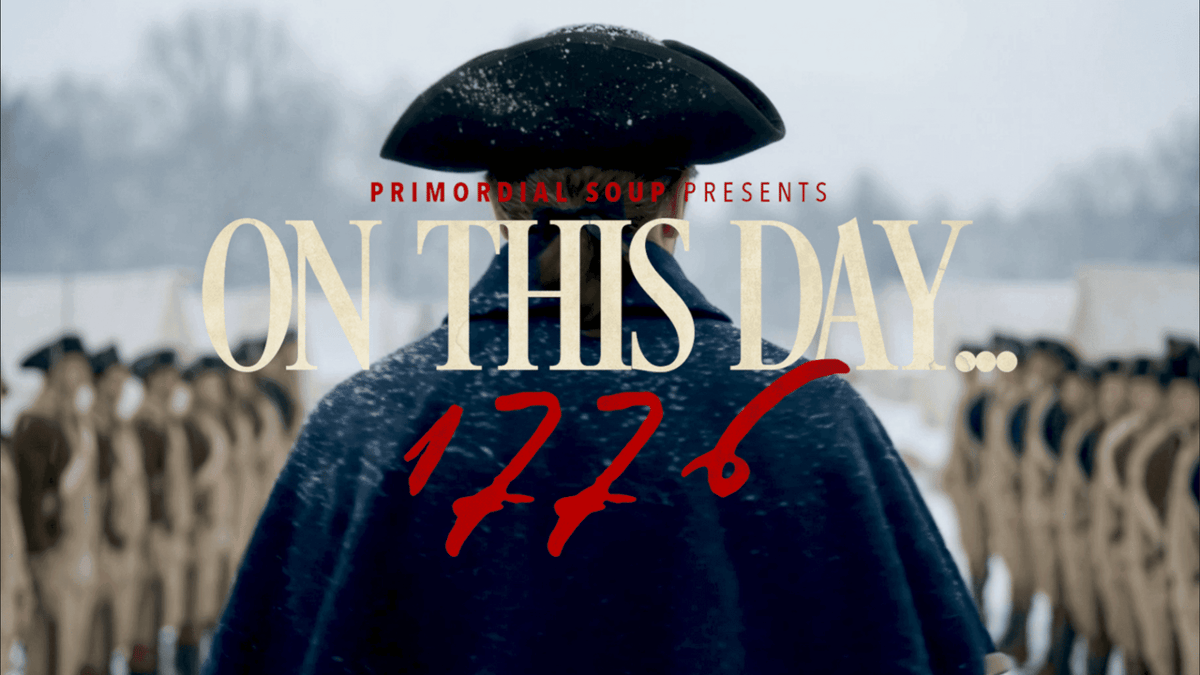
'This Project Is a Glimpse at What Thoughtful, Creative, Artist-Led Use of AI Can Look Like' — George Washington Meets Google DeepMind, as Darren Aronofsky’s AI History Series Hits YouTube
•January 30, 2026
0
Companies Mentioned


Why It Matters
The series showcases how generative AI can democratize high‑budget historical filmmaking, potentially reshaping production economics and creative workflows across the industry.
Key Takeaways
- •Aronofsky partners with Google DeepMind for AI series
- •Series releases on YouTube timed to 1776 anniversaries
- •AI visuals reduce costs for period filmmaking
- •Critics cite uncanny valley and emotional nuance gaps
- •Project may reshape indie film economics and aesthetics
Pulse Analysis
The collaboration between Darren Aronofsky, Google DeepMind, and Time Studios marks a watershed moment for AI‑driven content creation in Hollywood. By feeding historical scripts into generative models, the team produced lifelike period costumes, settings, and crowd scenes that would traditionally require extensive location scouting and sizable budgets. This approach mirrors earlier digital disruptions—photography, editing software—and signals that AI is moving from post‑production assistance to a core storytelling engine, especially for niche genres like historical drama where visual authenticity has long been cost‑prohibitive.
Economically, the "On This Day… 1776" series illustrates how AI can level the playing field for independent creators. Small studios can now generate high‑fidelity visuals without hiring large art departments, potentially accelerating the pipeline from concept to distribution. However, the technology also raises concerns about a flood of low‑budget, mediocre content that could saturate platforms and dilute audience expectations. The industry is watching to see whether AI will become a cost‑saving tool that expands creative ambition or a shortcut that undermines craftsmanship.
Culturally, the series ignites debate over authenticity and emotional resonance. While AI can replicate period details, critics argue it still struggles with nuanced human expression, landing some scenes in the uncanny valley. Audiences may become more discerning, demanding a balance between visual spectacle and genuine storytelling. As more filmmakers experiment with AI, the medium could evolve into a hybrid model where human direction guides algorithmic generation, redefining the role of the director and potentially establishing new standards for artistic integrity in the digital age.
'This project is a glimpse at what thoughtful, creative, artist-led use of AI can look like' — George Washington meets Google DeepMind, as Darren Aronofsky’s AI history series hits YouTube
0
Comments
Want to join the conversation?
Loading comments...