Companies Mentioned


Why It Matters
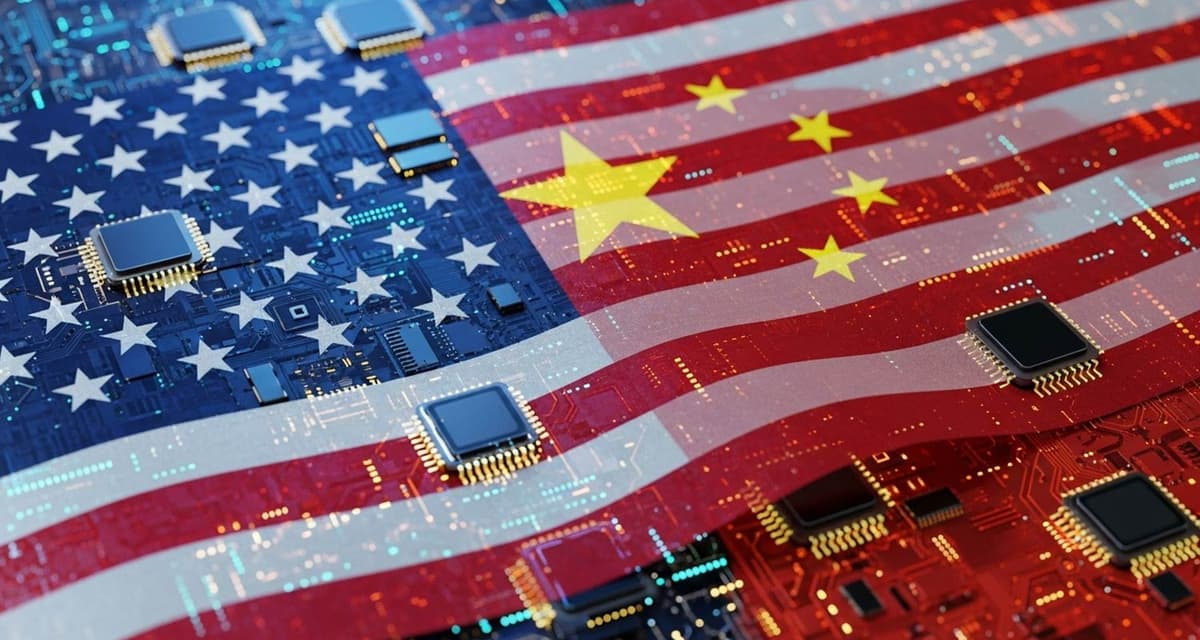
Coordinated U.S.–China AI standards could curb malicious use of advanced models, protect financial markets, and shape global governance around emerging technology.
Key Takeaways
- •US-China summit to establish AI guardrail protocol for non‑state actors
- •Anthropic’s Mythos AI exposed critical software vulnerabilities prompting urgent patches
- •US cleared ten Chinese firms to purchase Nvidia’s H200 AI chips
- •Treasury working with top banks to secure AI‑driven financial systems
- •Leaders stress innovation safety balance while preserving US AI leadership
Pulse Analysis
The Beijing summit marks a rare diplomatic overture between the United States and China on artificial‑intelligence safety. Both sides recognize that unchecked AI capabilities pose systemic risks, especially when powerful models fall into the hands of criminal or terrorist groups. By agreeing to a shared protocol for best practices, the two superpowers aim to create a baseline of safeguards that can be exported globally, reinforcing U.S. values while acknowledging China’s growing technical expertise.
The urgency of the talks intensified after Anthropic’s Mythos platform revealed deep software flaws that could be weaponized against critical infrastructure. Financial institutions—from the nation’s eleven largest banks to regional and community lenders—have been instructed to harden their networks, patching code that could otherwise enable market manipulation or data theft. This rapid response highlights how AI vulnerabilities are no longer confined to tech labs; they now ripple through the core of the global financial system, prompting regulators to treat AI risk as a matter of national security.
Looking ahead, the coordination effort may set the tone for broader AI governance. With Nvidia’s H200 chips cleared for limited Chinese purchase, the U.S. signals a calibrated approach: allowing technology flow while maintaining strategic leverage. The partnership with industry leaders like Google, OpenAI and Anthropic suggests a multi‑stakeholder model where private innovation aligns with public safety goals. If successful, this framework could become a template for future bilateral or multilateral agreements, shaping the competitive landscape of AI development for years to come.
US, China to coordinate on AI threats
Comments
Want to join the conversation?
Loading comments...