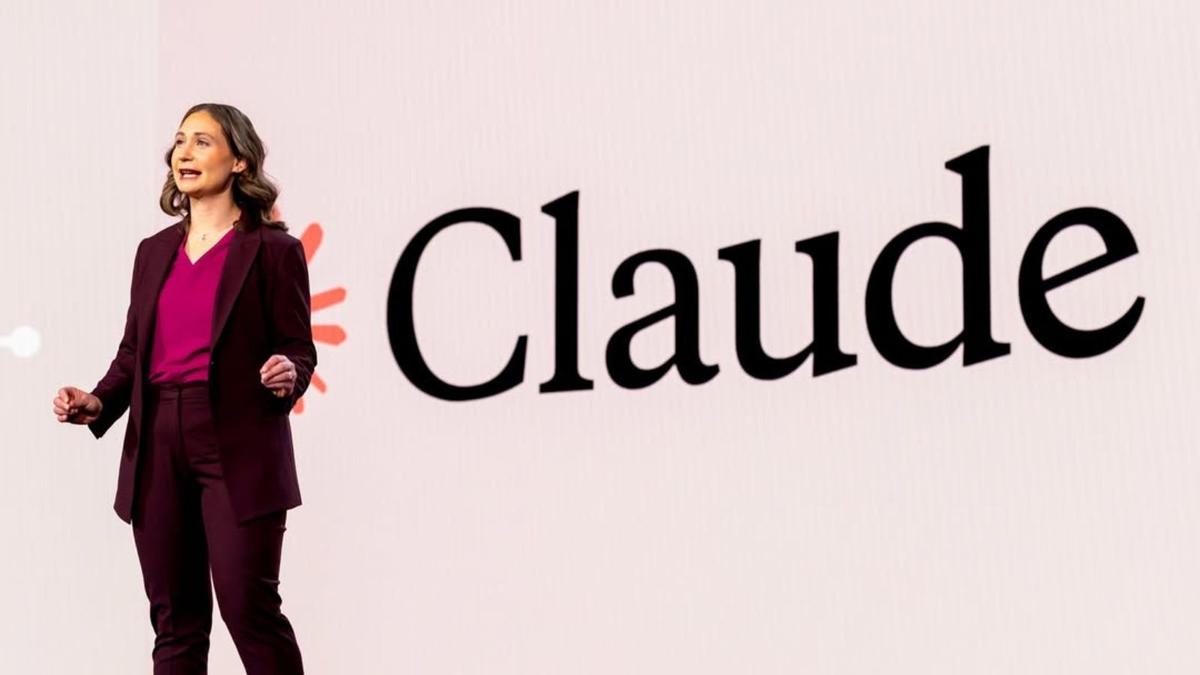
‘Vanishingly Small’: Anthropic’s Daniela Amodei Downplays AI Impact on Jobs Amid ‘SaaSpocalypse’ Fears
•February 10, 2026
0
Companies Mentioned


Why It Matters
The remarks downplay widespread job displacement fears while underscoring a shift toward human‑AI collaboration, a signal that tech firms and investors must reassess talent strategies and market valuations.
Key Takeaways
- •Anthropic emphasizes humanities over STEM for future jobs
- •AI can automate few jobs without human assistance
- •New Anthropic tools sparked sell‑off of Indian IT stocks
- •“SaaSpocalypse” term reflects fear of SaaS obsolescence
- •Anthropic prioritizes safety, no ads, under‑18 restrictions
Pulse Analysis
The debate over AI’s impact on employment has intensified as firms roll out increasingly capable automation tools. Anthropic’s co‑founder Daniela Amodei argues that the number of roles AI can perform independently is "vanishingly small," shifting the focus to uniquely human attributes such as emotional intelligence, creativity, and nuanced communication. This perspective contrasts sharply with warnings from her brother, CEO Dario Amodei, who predicts unprecedented labor market disruption, highlighting the divergent views within the same organization and the broader industry.
Market reaction to Anthropic’s latest suite of workplace‑automation products was swift and pronounced. Shares of Indian IT giants Infosys, TCS and HCLTech plunged as investors feared that AI‑driven solutions could erode the traditional outsourcing model that underpins their revenue. The episode, dubbed a "SaaSpocalypse" by Jefferies, underscores the vulnerability of SaaS and IT services to generative AI, prompting executives to rethink product roadmaps, pricing strategies, and the value proposition of human‑centric service delivery.
Anthropic’s product strategy reinforces its commitment to responsible AI. By keeping Claude ad‑free, enforcing a "Constitution for Claude" that stresses helpfulness, honesty and harmlessness, and barring under‑18 users, the company signals a cautious approach to user safety and data privacy. Simultaneously, Amodei stresses that human‑AI collaboration can create more meaningful, high‑productivity work, suggesting that firms should invest in upskilling employees in soft skills and interdisciplinary knowledge to stay competitive in an AI‑augmented economy.
‘Vanishingly small’: Anthropic’s Daniela Amodei downplays AI impact on jobs amid ‘SaaSpocalypse’ fears
0
Comments
Want to join the conversation?
Loading comments...