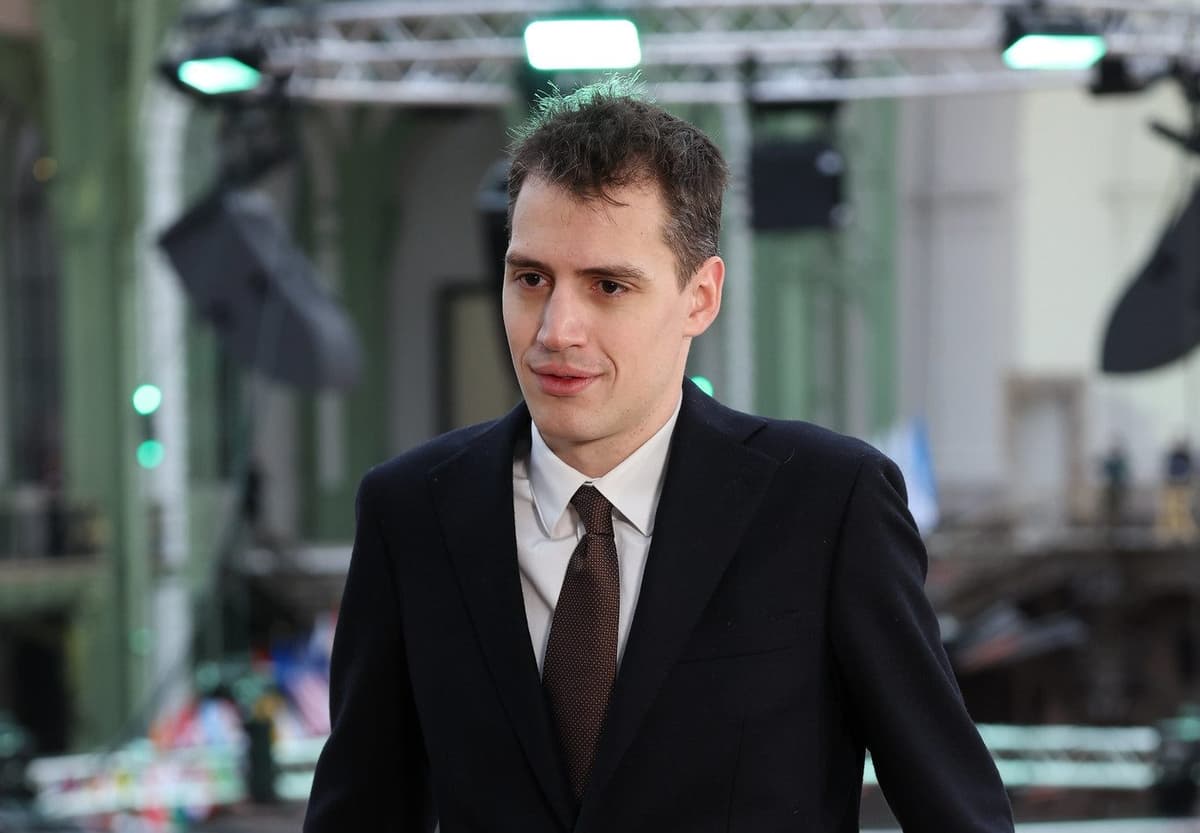
‘We Are at Risk’: Mistral CEO Warns Against US Dominance in AI
•February 19, 2026
0
Companies Mentioned


Why It Matters
Concentrated AI power threatens market competition and geopolitical stability, prompting Europe to pursue autonomous, open‑source solutions. This shift could reshape global AI governance and investment flows.
Key Takeaways
- •US firms control majority of AI model development
- •Mistral valued €12bn, OpenAI over $850bn
- •CEO urges decentralised, open‑source AI to limit leverage
- •Digital sovereignty highlighted at AI Impact Summit, New Delhi
- •Europe seeks alternative to US‑centric AI infrastructure
Pulse Analysis
The AI landscape is increasingly defined by a few U.S. corporations that command both the most advanced models and the cloud infrastructure needed to run them. Companies like OpenAI, Anthropic, Microsoft, Google and Amazon have amassed valuations that dwarf European challengers, creating a market structure where pricing power, data access, and innovation pipelines are tightly held. This concentration not only limits competition but also raises concerns about who controls the algorithms that will drive future productivity gains across every sector.
European policymakers and startups are responding by championing digital sovereignty through open‑source models and decentralized architectures. Mistral, with its €12 bn valuation, positions itself as a catalyst for a more distributed AI ecosystem, arguing that open‑source code can democratise access and reduce reliance on proprietary U.S. platforms. Initiatives like the AI Impact Summit in New Delhi highlight a growing coalition of nations seeking regulatory frameworks that encourage local development, data protection, and the ability to switch providers without losing critical capabilities.
If Europe succeeds in building a robust, interoperable AI stack, the global balance of power could shift, prompting U.S. firms to reconsider monopolistic practices and potentially spurring international standards for AI governance. Investors are watching closely, as a diversified AI supply chain may unlock new revenue streams and mitigate geopolitical risk. The next few years will likely see heightened policy debates, strategic partnerships, and a race to establish the rules that will define AI’s role in the world economy.
‘We are at risk’: Mistral CEO warns against US dominance in AI
0
Comments
Want to join the conversation?
Loading comments...