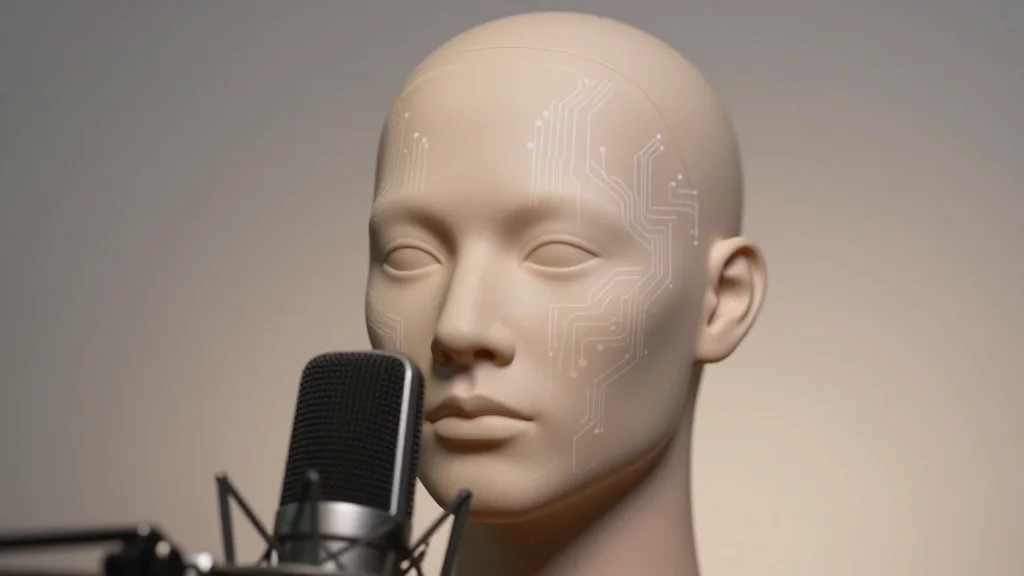
Who Is Manufacturing the Faces We Trust?
Why It Matters
AI avatars give brands unprecedented speed and consistency, reshaping advertising spend and talent markets while raising regulatory and ethical concerns about synthetic influence.
Key Takeaways
- •Mankind Pharma partners to embed AI avatars across regional campaigns
- •Digital spokespeople cut production time, eliminate talent‑booking delays
- •Brands gain consistent, adaptable messaging without human fatigue
- •Human models risk job loss as AI faces scale cheaply
- •Regulators face new challenges defining authenticity in AI‑driven ads
Pulse Analysis
The Indian advertising ecosystem is witnessing a quiet revolution as generative AI creates lifelike digital faces that can speak Hindi, Tamil, Telugu and beyond. Companies like Mankind Pharma are piloting these avatars to streamline multilingual campaigns, cutting weeks of shoot scheduling down to minutes of rendering. This shift mirrors earlier tech adoptions—first television, then social media—where speed and scale trumped traditional production constraints. By removing human variables such as availability, mood, and scandal risk, brands achieve a uniform voice that can be tweaked for regional nuance without re‑filming.
For talent pools, the impact is stark. Models, voice‑over artists, and on‑screen presenters have long relied on a steady flow of brand contracts. AI avatars, however, can be cloned, edited, and deployed endlessly at a fraction of the cost, eroding the demand for human faces in low‑budget or high‑frequency spots. This creates a two‑track market: premium campaigns may still favor celebrity authenticity, while mass‑market ads migrate to synthetic presenters. The resulting labor displacement forces creatives to pivot toward roles that require genuine human connection—strategy, storytelling, and AI‑prompt engineering—rather than purely performance‑based work.
Regulators and marketers now grapple with defining the line between authentic endorsement and engineered persuasion. As synthetic personalities become indistinguishable from real influencers, disclosure standards and consumer‑trust frameworks must evolve. Brands that transparently label AI‑generated content may gain a competitive edge, reinforcing credibility in an environment where visual trust is increasingly manufactured. The broader implication is a re‑calibration of how public trust is built: not through the charisma of a human star, but through the controlled reliability of an algorithmic face designed to feel familiar yet risk‑free.
Who Is Manufacturing the Faces We Trust?
Comments
Want to join the conversation?
Loading comments...