The Permabulls and Iran
•March 3, 2026
0
Key Takeaways
- •Permabulls bought dip; S&P ended flat Monday.
- •Iran escalation could reignite market volatility.
- •Defense ETFs ITA and PPA have doubled past three years.
- •Author holds positions, uses shorts to hedge exposure.
- •Long‑term market outlook remains uncertain despite historical resilience.
Summary
On Monday the S&P 500 closed essentially flat after permabulls rushed in on the opening dip, echoing Michael Burry’s “greatest buy‑the‑dip generation” claim. The optimism was short‑lived as escalating tensions in Iran prompted a market rethink. The author warns that geopolitical risk could reignite volatility and recommends defensive positioning through aerospace and defense ETFs. While maintaining existing holdings, the piece suggests using short positions to hedge against a potentially choppy environment.
Pulse Analysis
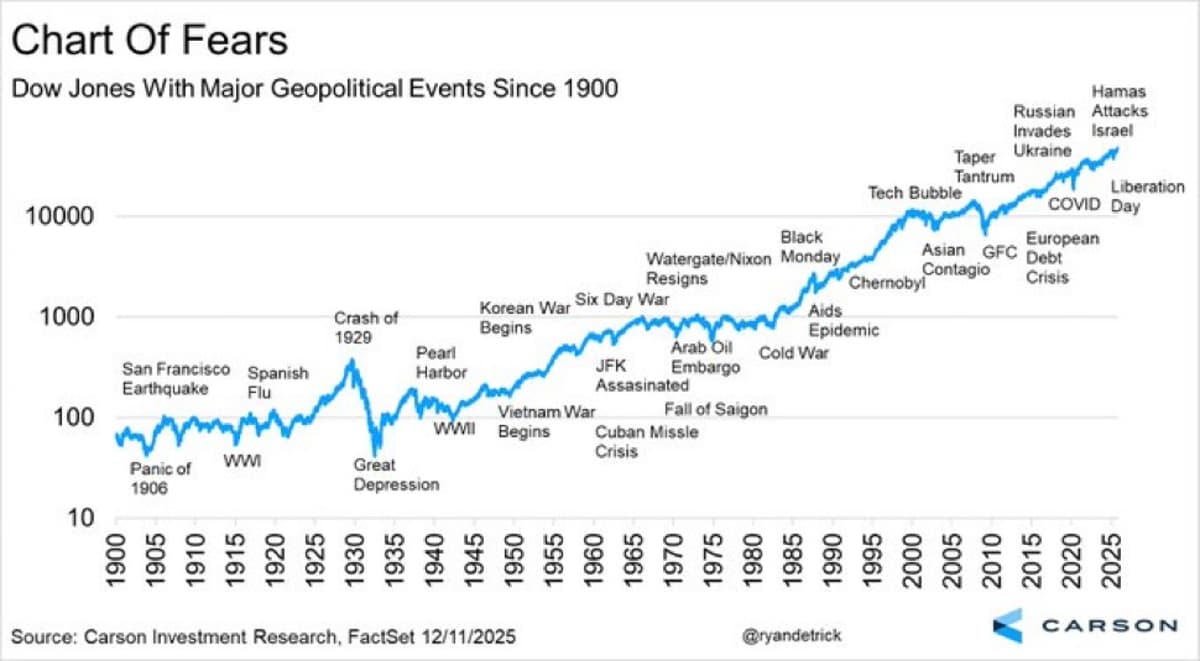
The market’s flat close on Monday masked a deeper narrative about investor psychology. Permabulls, buoyed by past successes and Michael Burry’s rhetoric, dove into the dip without fully accounting for the underlying geopolitical backdrop. Historically, equity markets have shown resilience after short‑term shocks, but the rapid reversal in sentiment underscores how quickly risk appetite can evaporate when global events, such as the Iran escalation, dominate headlines. Understanding this dynamic helps investors gauge when optimism turns into complacency.
Geopolitical risk from Iran introduces a new layer of uncertainty for the S&P 500 and broader equity indices. While the immediate impact on oil prices may be limited, heightened tensions can spur defensive buying, especially in sectors tied to national security. Defense manufacturers and aerospace firms often experience a premium during periods of heightened conflict risk, as governments increase spending on military readiness. ETFs like iShares Aerospace & Defense (ITA) and Invesco Aerospace & Defense (PPA) have already doubled over the past three years, reflecting sustained investor interest in this defensive niche.
For portfolio construction, the article advocates a balanced approach: retain core equity exposure while allocating a meaningful slice to defense ETFs and employing short positions as a hedge. This strategy acknowledges the long‑term upward bias of equities but also prepares for potential downside spikes triggered by geopolitical flashpoints. By integrating sector‑specific defensive assets and tactical hedges, investors can navigate the fine line between capitalizing on market resilience and protecting against abrupt volatility, a prudent stance in today’s uncertain macro environment.
Comments
Want to join the conversation?