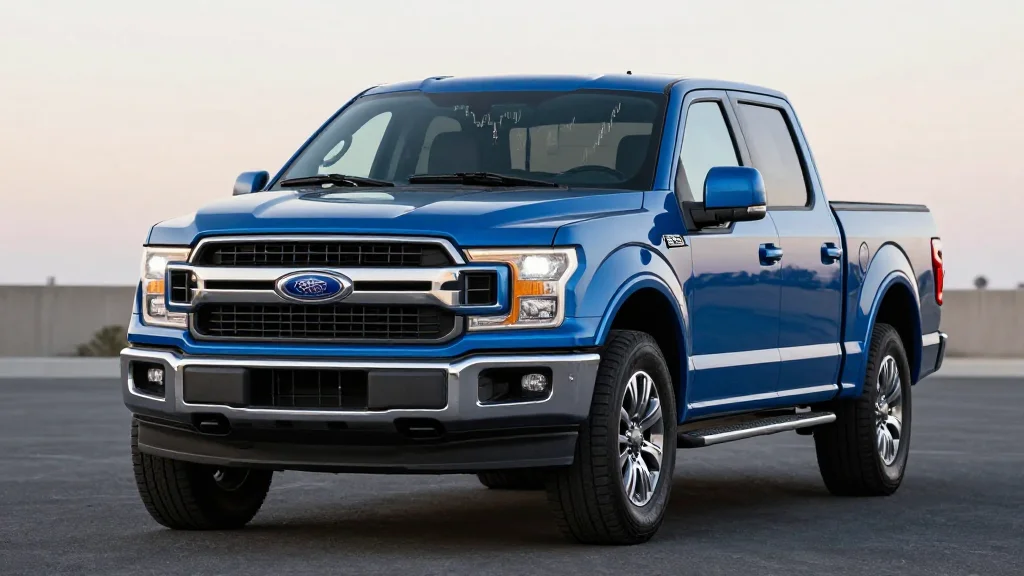
Ford's F-Series Production Gap Fuels New Truck War with GM and Ram

Companies Mentioned
Why It Matters
The F‑Series shortfall highlights the fragility of just‑in‑time supply chains in a sector that still drives a sizable share of U.S. manufacturing output. A prolonged inventory deficit could erode Ford’s brand loyalty, allowing GM and Stellantis to capture price‑sensitive buyers and shift market share in a segment that historically favors incumbents. For investors, the battle is a bellwether for broader industrial stocks. Auto manufacturers are among the most heavily weighted components of the S&P 500 and Dow Jones, and any swing in their earnings forecasts can move the indices. Moreover, the episode illustrates how material shortages—here, aluminum—can quickly become a competitive lever, prompting rivals to adjust capacity, labor, and capital allocation strategies in real time.
Key Takeaways
- •Ford’s F-Series inventory fell to a 55‑day supply, five days below the industry norm.
- •The company is adding >50,000 trucks this year, hiring 100 workers and adding a third shift at Dearborn.
- •GM will boost Silverado and Sierra output at Flint Assembly starting June.
- •Stellantis is launching a new Ram "muscle truck" line aimed at Ford customers.
- •Analysts estimate a 5% drop in F‑Series shipments could cut Ford’s annual profit by $1.2 billion.
Pulse Analysis
Ford’s production scramble is a textbook case of how a single material bottleneck can cascade into a strategic market battle. The aluminum fire at Novelis exposed the company’s reliance on a narrow supplier base for lightweight body panels—a cost‑saving measure that now threatens its ability to meet demand. By contrast, GM and Stellantis have diversified their material sourcing and maintain larger buffer inventories, allowing them to react faster when a rival falters.
Historically, the "truck war" has been fought on price, features, and brand loyalty rather than sheer volume. This time, capacity is the decisive factor. Ford’s decision to forgo the usual summer shutdown is unprecedented and signals that management views the inventory gap as an existential threat to its market‑share dominance. If the extra shifts and new hires fail to deliver the promised 50,000 units, Ford could see a prolonged dip in earnings, pressuring its stock and potentially dragging down the broader auto sector.
Investors should monitor three leading indicators: the August inventory report, Novelis’s aluminum shipment schedule, and the first‑quarter earnings revisions from GM and Stellantis. A successful catch‑up by Ford could restore confidence and stabilize its share price, while a continued shortfall may accelerate a reallocation of capital toward the more agile competitors. In either scenario, the episode underscores the importance of supply‑chain resilience as a core component of competitive advantage in the American manufacturing landscape.
Ford's F-Series Production Gap Fuels New Truck War with GM and Ram
Comments
Want to join the conversation?
Loading comments...