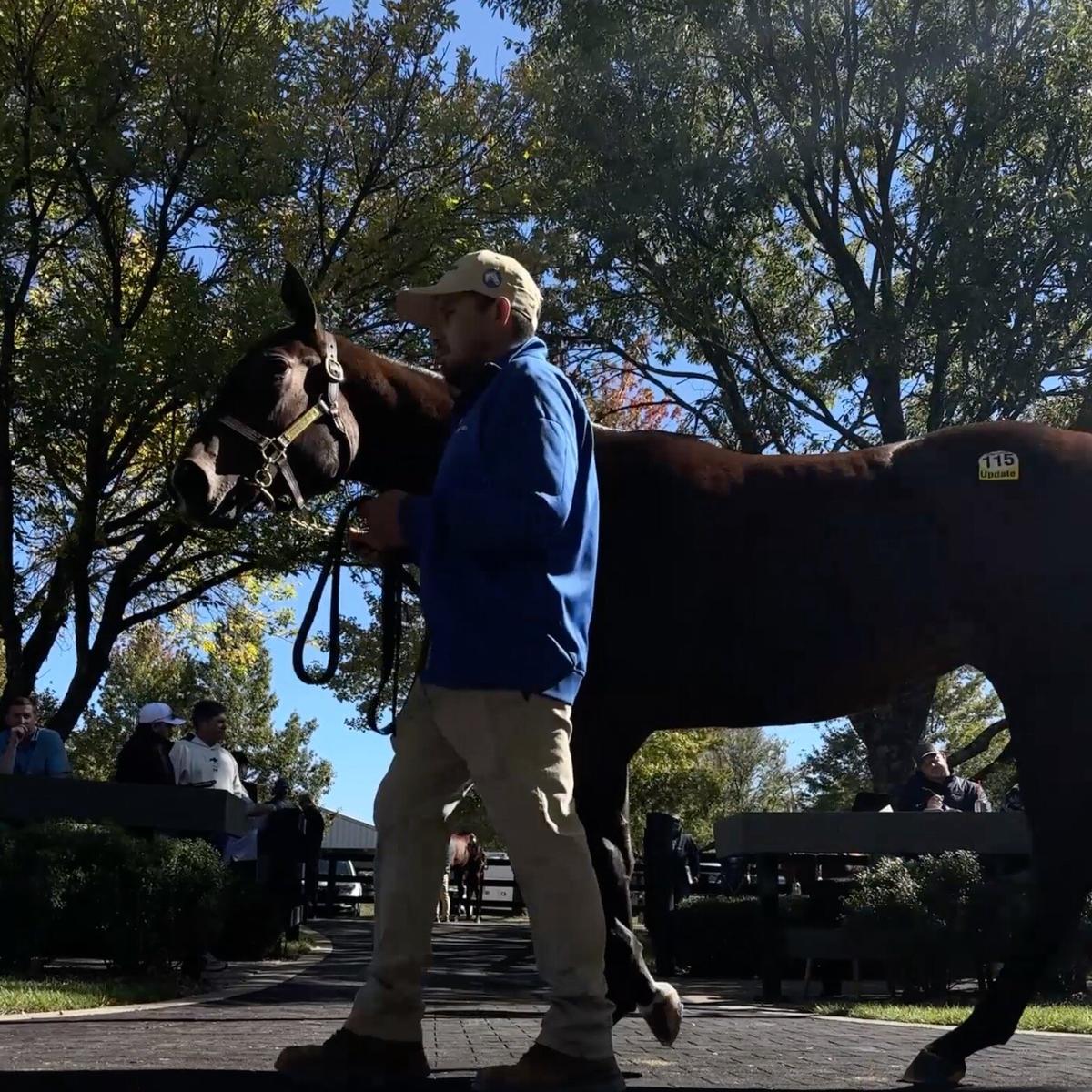
How a Trump Tax Break Rescued Horse Racing
Why It Matters
The tax break dramatically improves owners’ liquidity, accelerating spending and stabilizing a historically volatile industry. It signals how fiscal policy can revive niche sports facing cultural and economic headwinds.
Key Takeaways
- •Owners spent $1.5B on horses, up 21% YoY
- •Yearling sales hit $531.5M, 24% increase
- •Bonus depreciation lets owners deduct full purchase cost
- •Safety authority and track upgrades invested over $1B
- •Improved cash flow spurs renewed investment in racing
Pulse Analysis
The horse‑racing sector, long plagued by safety concerns and dwindling public interest, is experiencing an unexpected surge. In 2025 owners collectively invested $1.5 billion in new thoroughbreds, and premier auctions like Keeneland’s September Yearling Sale shattered previous records with $531.5 million in transactions. Parallel to this spending, the Horseracing Integrity and Safety Authority and state‑backed track renovations have poured more than a billion dollars into safer, modern facilities, helping to restore confidence among bettors and sponsors.
At the heart of the financial upswing is a provision from the 2024 Tax Cuts known as bonus depreciation. Unlike standard depreciation schedules that spread expense over several years, this rule permits businesses to write off the entire cost of qualifying assets—such as racehorses—immediately. The result is a substantial cash‑flow boost, allowing owners to reinvest earnings faster and reduce taxable income in the short term. This mechanism mirrors incentives used in manufacturing and technology sectors, where rapid capital turnover is essential for growth, and it has now become a pivotal lever for the equine market.
While the tax incentive provides a powerful catalyst, reliance on legislative benefits raises questions about long‑term sustainability. Should future administrations roll back or modify the depreciation rules, owners could face tighter financing constraints, potentially slowing the momentum built over the past two years. Nonetheless, the current environment offers ancillary benefits: increased demand for veterinary services, feed suppliers, and ancillary tourism in racing hubs. Stakeholders are watching closely, balancing the immediate gains from the tax break against the need for structural reforms that ensure the sport’s resilience beyond any single fiscal policy.
How a Trump Tax Break Rescued Horse Racing


Comments
Want to join the conversation?
Loading comments...