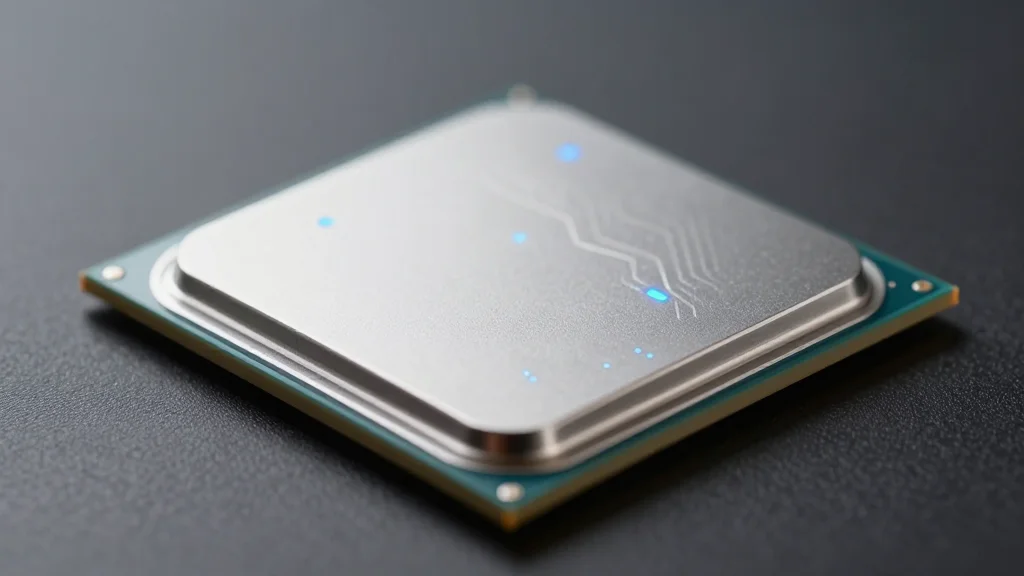
Intel Shares Surge on AI‑Driven Sales Outlook, Reach 2000‑Era Peaks

Companies Mentioned
Why It Matters
Intel’s AI‑driven outlook signals a potential shift in the competitive dynamics of the semiconductor industry, where demand for AI‑optimized chips is reshaping revenue streams. A successful execution could restore investor confidence in a legacy chipmaker that has struggled for years, influencing valuation models for other hardware firms tied to AI growth. Moreover, the rally underscores how AI expectations are now a primary driver of market sentiment across the broader American stock market, affecting portfolio allocations and sector weightings. The guidance also highlights the importance of manufacturing capacity in the AI era. Intel’s emphasis on expanding its factory network and advanced packaging capabilities points to a broader industry trend where supply constraints could become a limiting factor for AI deployment. Investors and policymakers will be watching Intel’s ability to meet demand as a bellwether for the health of the U.S. semiconductor supply chain.
Key Takeaways
- •Intel Q1 revenue rose 7.2% YoY to $13.58 billion, beating estimates.
- •Datacenter & AI sales jumped 22% to $5.05 billion, surpassing forecasts.
- •Q2 outlook projects $13.8‑$14.8 billion revenue, 20¢ EPS, 39% margin.
- •Adjusted gross margin improved to 41% from 39.2% a year earlier.
- •CEO Lip‑Bu Tan highlighted “huge demand” for AI‑related processors.
Pulse Analysis
Intel’s latest earnings beat and bullish forecast illustrate how AI demand can revive a once‑struggling heavyweight. The company’s ability to translate AI hype into tangible revenue growth differentiates it from peers that rely heavily on legacy PC markets. By leveraging its foundry services and advanced packaging, Intel is positioning itself as a one‑stop shop for AI hardware, a strategy that could attract external customers and diversify its revenue base.
Historically, Intel’s margins have eroded due to execution missteps and competitive pressure. The current 41% adjusted gross margin, while still below its historic highs, marks a meaningful improvement and suggests that the company’s cost‑control measures are taking effect. If Intel can sustain the projected 39% operating margin in Q2, it would signal that the turnaround plan is gaining traction, potentially prompting a re‑rating by equity analysts.
Looking forward, the key risk remains capacity. Intel’s factories are still catching up to demand, and any supply bottleneck could dampen the AI‑driven rally. Competitors such as Nvidia, which enjoys higher margins and a more entrenched AI ecosystem, will continue to pressure Intel’s market share. Nonetheless, the stock’s surge to 2000‑era highs reflects a market belief that Intel’s AI push could re‑establish it as a core component of the U.S. tech sector’s growth engine.
Intel Shares Surge on AI‑Driven Sales Outlook, Reach 2000‑Era Peaks
Comments
Want to join the conversation?
Loading comments...