Key Takeaways
- •Four-year material investigation culminates in London installation.
- •Yoruba-inspired forms honor women makers and ritual.
- •Clay, bronze, wax treated as active collaborators.
- •Soundscape and library deepen immersive, contemplative experience.
- •Public program blends music, supper club, artist talks.
Pulse Analysis
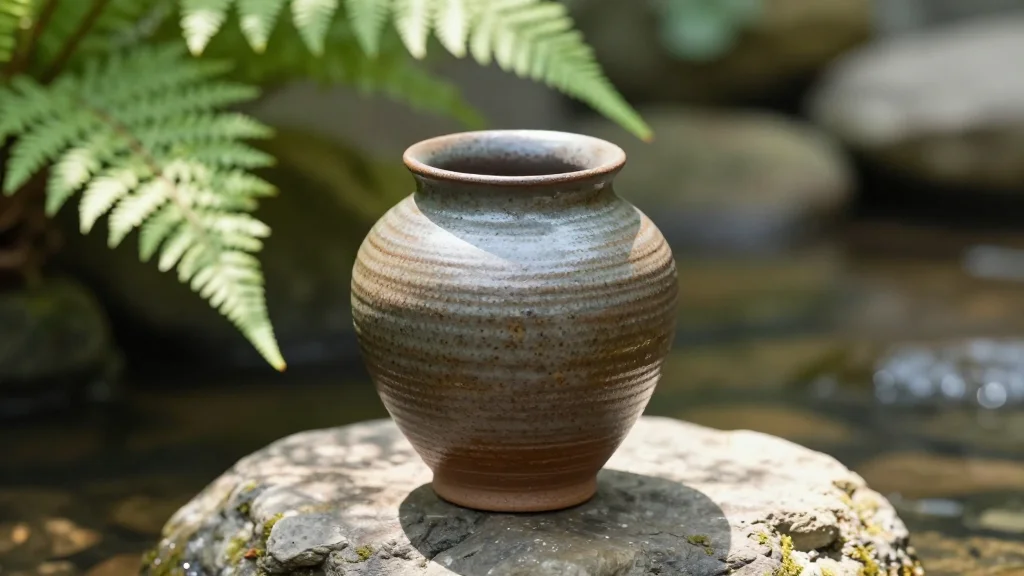
Bisila Noha, a Spanish‑Equatoguinean artist based in London, has built a reputation for marrying rigorous ceramic technique with deep cultural narratives. Drawing on her Yoruba heritage and a four‑year research trajectory, Noha treats clay, plaster, bronze and wax not merely as media but as active participants in a dialogue about memory and ritual. Her earlier residency in Ikise, Nigeria, produced the first iteration of "Ile ọkàn," a concept that fuses traditional craft practices with contemporary conceptual frameworks, positioning her at the forefront of the African diaspora’s contribution to global craft discourse.
At OmVed Gardens, Noha’s "Ile ọkàn" transforms the newly opened Barn into a shrine‑like chamber that invites slow, meditative viewing. The installation weaves together sculptural vessels, terracotta stools, photographic prints and a soundscape by Maxine Pennington, while a Seed Archive library offers scholarly context. Complementary programming—Friday night live music, an OmVed‑sourced supper club, and a ‘barn conversation’ with the artist—extends the experience beyond visual art into communal ritual. This multidisciplinary approach aligns with London’s growing appetite for immersive, experience‑driven exhibitions that blur the line between gallery and gathering space.
The exhibition underscores a broader shift in the contemporary art market toward culturally specific, tactile experiences that resonate with sustainability and wellness trends. By foregrounding women makers and treating raw materials as co‑creators, Noha taps into collector interest in provenance and narrative depth. Moreover, the integration of a regenerative garden setting highlights an emerging emphasis on environmentally conscious venues. As London’s craft scene continues to intersect with high‑end galleries, projects like "Ile ọkàn" are likely to inspire further cross‑disciplinary collaborations and elevate the commercial viability of ceramic art.
Bisila Noha: Ile ọkàn (House of the Soul)
Comments
Want to join the conversation?