Key Takeaways
- •Igor Tulchinsky pledges ~£5 million sponsorship.
- •First UK showing of Bayeux Tapestry ever.
- •Exhibition runs Sep 2026–Jul 2027 at British Museum.
- •Sponsorship among museum’s largest in 273‑year history.
- •Tickets released July 2026, multiple sales windows.
Summary
Belarus‑born hedge‑fund billionaire Igor Tulchinsky is sponsoring the British Museum’s first UK display of the Bayeux Tapestry, in a deal estimated at £5 million, one of the museum’s largest sponsorships in its 273‑year history. The 70‑metre medieval embroidery will be on view from September 2026 to July 2027 after a landmark loan from France. Tulchinsky cited the tapestry’s mathematical composition and historic weight as his motivation. The exhibition is being billed as a once‑in‑a‑generation cultural event comparable to the 1972 Tutankhamun show.
Pulse Analysis
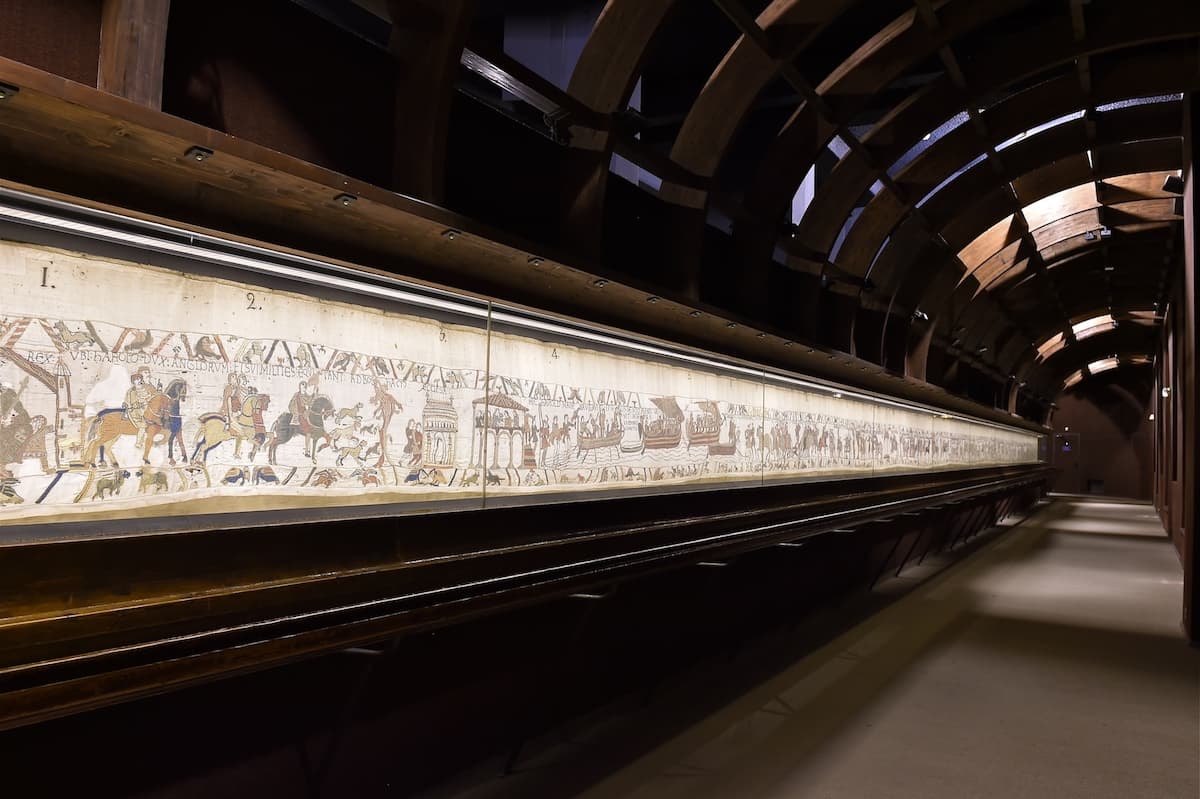
The Bayeux Tapestry, a 70‑metre embroidered narrative of the 1066 Norman Conquest, has never been exhibited in Britain despite its central place in English heritage. Its loan from the Musée de la Tapisserie de Bayeux marks a diplomatic cultural exchange and offers scholars and the public a rare chance to study the work’s intricate iconography, textile techniques, and Latin tituli in person. By situating the tapestry within the British Museum’s expansive galleries, curators aim to contextualise medieval power dynamics alongside contemporary reflections on national identity.
Tulchinsky’s £5 million commitment underscores a broader shift toward high‑net‑worth individuals underwriting marquee museum exhibitions. As public funding faces fiscal constraints, institutions increasingly turn to private patrons who seek both philanthropic impact and brand association with iconic cultural moments. Tulchinsky, founder of quantitative firm WorldQuant, highlighted the tapestry’s “mathematical aspects,” aligning his data‑driven background with the artifact’s patterned storytelling. This sponsorship not only covers exhibition design, security, and conservation costs but also sets a precedent for future collaborations that blend financial muscle with scholarly ambition.
Anticipation for the exhibition is already translating into ticket demand, with sales slated to begin on 1 July 2026 across three release windows. The influx of visitors is expected to boost tourism revenue for London and reinforce the British Museum’s reputation as a global showcase for world heritage. Moreover, the event may catalyse similar high‑profile loans, encouraging other institutions to negotiate temporary repatriations of treasured works, thereby enriching public access while diversifying museum funding models.
Comments
Want to join the conversation?