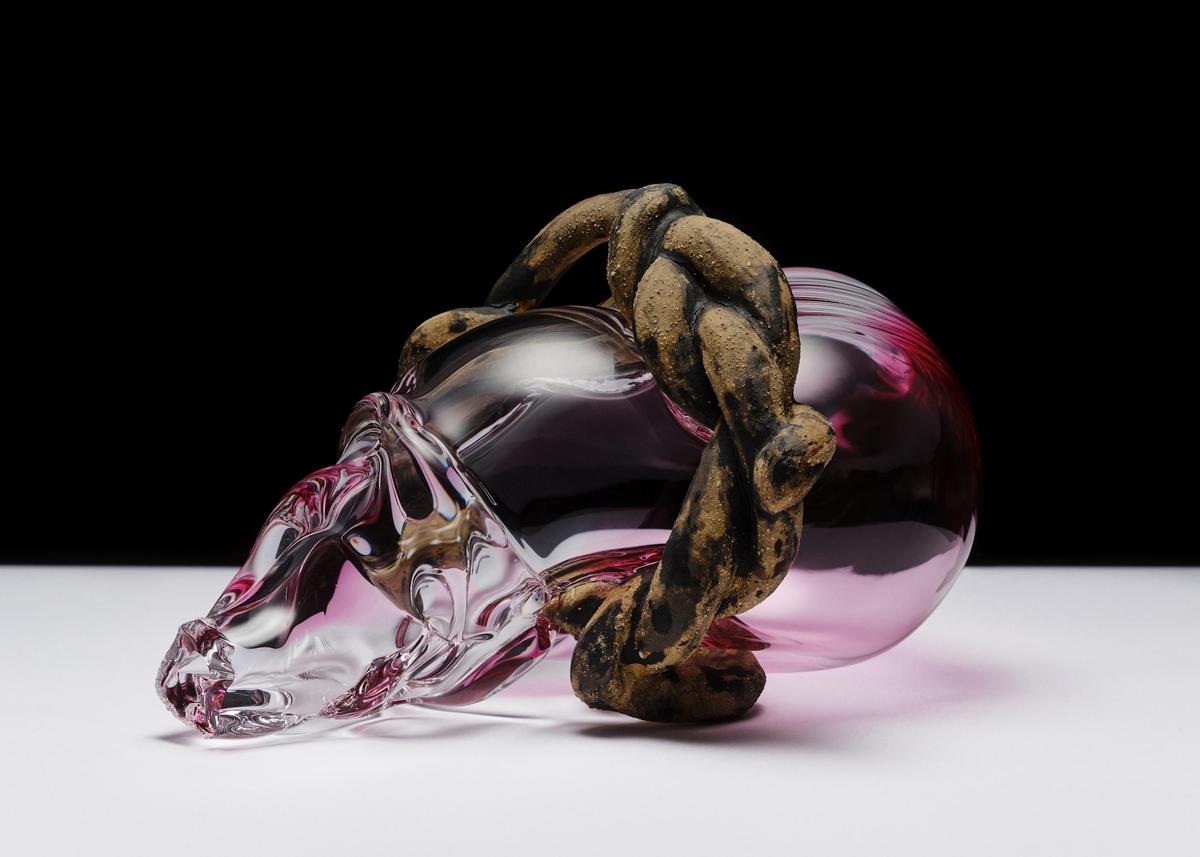
Esther III Returns to New York Estonian House During Frieze Week
Key Takeaways
- •Esther III runs May 12‑16 2026 at New York Estonian House
- •22 galleries from 10 cities present free installations and performances
- •Fair emphasizes site‑specific projects responding to historic architecture
- •Artist‑led interventions blur lines between exhibition and social space
- •Ticketed dinner offers traditional Estonian cuisine for opening night
Pulse Analysis
Alternative art fairs have surged as a counterweight to the high‑volume, dealer‑driven model epitomized by events like Frieze. Esther III leverages this momentum by offering a free, artist‑curated experience that aligns with the cultural buzz of Frieze New York 2026. By situating 22 galleries across the intimate rooms of the New York Estonian House, the fair creates a fragmented yet cohesive narrative that encourages visitors to wander, discover, and engage with works that would be lost in a conventional booth layout. This approach not only reduces barriers to entry for emerging artists but also cultivates a sense of discovery that resonates with a younger, experience‑seeking collector base.
The programming at Esther III underscores a deliberate shift toward site‑specific and interdisciplinary projects. Installations like "chairchairchair," which repurposes discarded sidewalk materials into functional sculpture, and the "Neanderthal Beauty Clinic," a critique of contemporary self‑care culture, illustrate how the fair blurs the line between exhibition and social commentary. By inviting artists such as Kris Lemsalu to adopt performative personas within the historic space, the fair deepens the dialogue between architecture and artwork, reinforcing the notion that context can be as compelling as the objects themselves.
For the broader market, Esther III’s free admission and culturally rich opening dinner signal a rethinking of value creation beyond transaction. Galleries gain exposure to an audience that might otherwise bypass high‑ticket fairs, while collectors encounter experimental works in a low‑pressure environment. If the model proves successful, it could inspire more hybrid events that combine the accessibility of public programming with the curatorial rigor of traditional fairs, ultimately diversifying revenue streams and expanding the ecosystem of contemporary art.
Esther III returns to New York Estonian House during Frieze Week
Comments
Want to join the conversation?