Key Takeaways
- •Heade’s exotic subjects marked a departure from his earlier landscapes
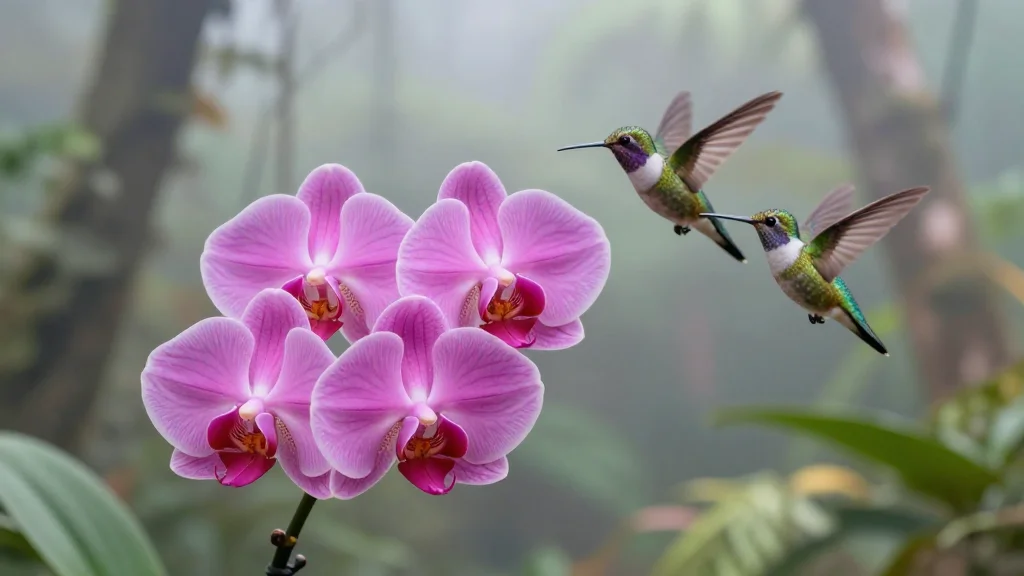
- •Cattleya orchid and hummingbirds symbolize 19th‑century scientific curiosity
- •National Gallery’s digital release expands global access to the work
- •The piece exemplifies the market premium on Heade’s naturalist paintings
- •Hummingbird motifs recur in contemporary luxury branding, echoing Heade’s legacy
Pulse Analysis
Martin Johnson Heade, a 19th‑century American painter, earned his reputation through moody coastal scenes before turning his eye to the natural world’s rarer beauties. Influenced by the era’s burgeoning interest in botany and ornithology, Heade began producing intimate studies of orchids, hummingbirds, and other exotic specimens. This pivot aligned him with a transatlantic movement that blended scientific illustration with romantic aesthetics, positioning his work at the intersection of art and emerging natural‑history scholarship.
"Cattleya Orchid and Three Hummingbirds" epitomizes Heade’s meticulous technique and compositional daring. The pink Cattleya, rendered with luminous brushwork, dominates the foreground while three iridescent hummingbirds hover near a nest, their motion captured through delicate, almost photographic detail. The mist‑shrouded forest backdrop creates depth, allowing the viewer to feel both the intimacy of a botanical study and the grandeur of a landscape. Art historians interpret the piece as a visual celebration of biodiversity, reflecting contemporary fascination with the New World’s untamed ecosystems.
The painting’s presence in the National Gallery of Art, coupled with a high‑resolution online release, underscores its cultural and market relevance. Heade’s naturalist works have fetched six‑figure sums at auction, and institutions prioritize digitizing such pieces to attract global audiences. Moreover, the hummingbird motif has resurfaced in luxury branding and sustainable design, echoing Heade’s legacy of marrying beauty with ecological curiosity. As collectors and museums continue to value works that blend artistic mastery with scientific intrigue, Heade’s orchid masterpiece remains a touchstone for both scholarly study and market demand.
Eye Candy for Today: Martin Heade orchid
Comments
Want to join the conversation?