Key Takeaways
- •Over 30 Kahlo works, many rarely displayed, debut in UK
- •Shows Kahlo’s influence on Chicana/o and feminist art movements
- •Places Kahlo alongside surrealist‑adjacent Latin American artists
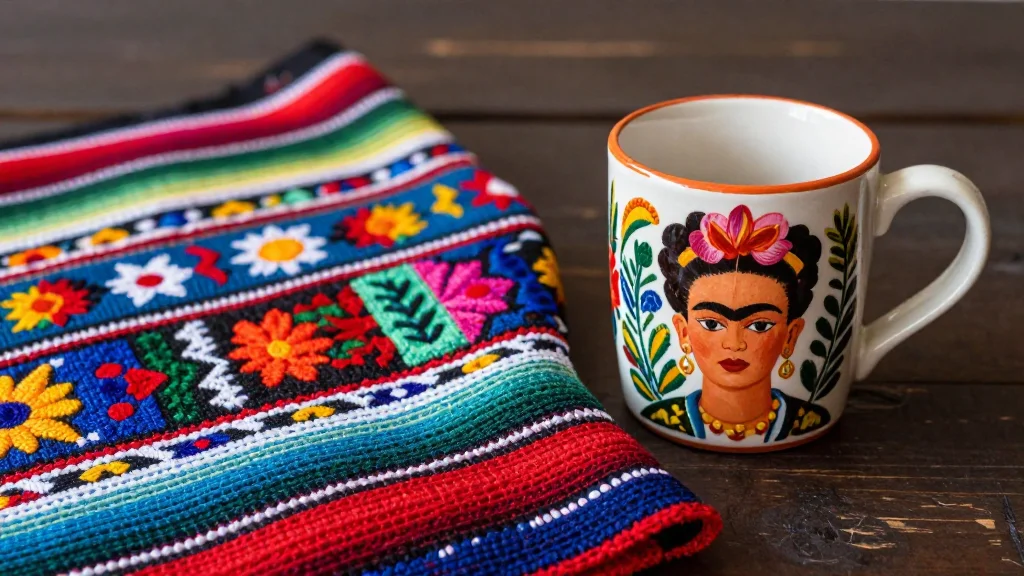
- •Features 200+ objects illustrating the "Fridamania" merchandise boom
- •Explores how branding may dilute Kahlo’s radical artistic intent
Pulse Analysis
Tate Modern’s upcoming exhibition, "Frida: The Making of an Icon," marks a watershed moment for institutional storytelling about a single artist. By partnering with the Museum of Fine Arts, Houston, the museum assembles more than 200 objects—including paintings, photographs, and personal belongings—to map Kahlo’s evolution from a regional Mexican painter to a worldwide cultural touchstone. The breadth of the display, spanning her early self‑portraits to contemporary appropriations, offers visitors a rare, comprehensive view of her oeuvre and the myriad ways her image has been reinterpreted across decades.
Beyond cataloguing works, the show delves into Kahlo’s complex role in shaping identity politics. It juxtaposes her self‑fashioning with the visual language of Chicana/o activists of the 1960s, feminist pioneers like Judy Chicago, and transnational artists who employ her iconography to interrogate gender, disability, and nationalism. By framing these dialogues within a broader surrealist‑adjacent network, the exhibition underscores how Kahlo’s personal narrative became a catalyst for collective artistic resistance, resonating in both Latin American and global contexts.
The final gallery, dedicated to "Fridamania," confronts the commercial dimension of Kahlo’s legacy, displaying licensed merchandise, fashion collaborations, and mass‑produced memorabilia. This focus forces a critical conversation about the balance between preserving artistic integrity and embracing popular appeal. For museums, the exhibition serves as a case study in navigating the fine line between celebrating an artist’s cultural impact and mitigating the risk that brand saturation eclipses the radical intent of the original work. The result is a nuanced, multi‑layered experience that speaks to scholars, collectors, and the broader public alike.
Frida: The Making of an Icon
Comments
Want to join the conversation?