Key Takeaways
- •Klee’s 1925 watercolor joins Guggenheim’s modern art collection.
- •Work explores spatial perception through horizon, zenith, atmosphere.
- •Exhibition highlights early abstract experimentation influencing contemporary design.
- •Digital high‑resolution scan enables global scholarly access.
- •Market interest may rise as Klee’s works gain visibility.
Summary
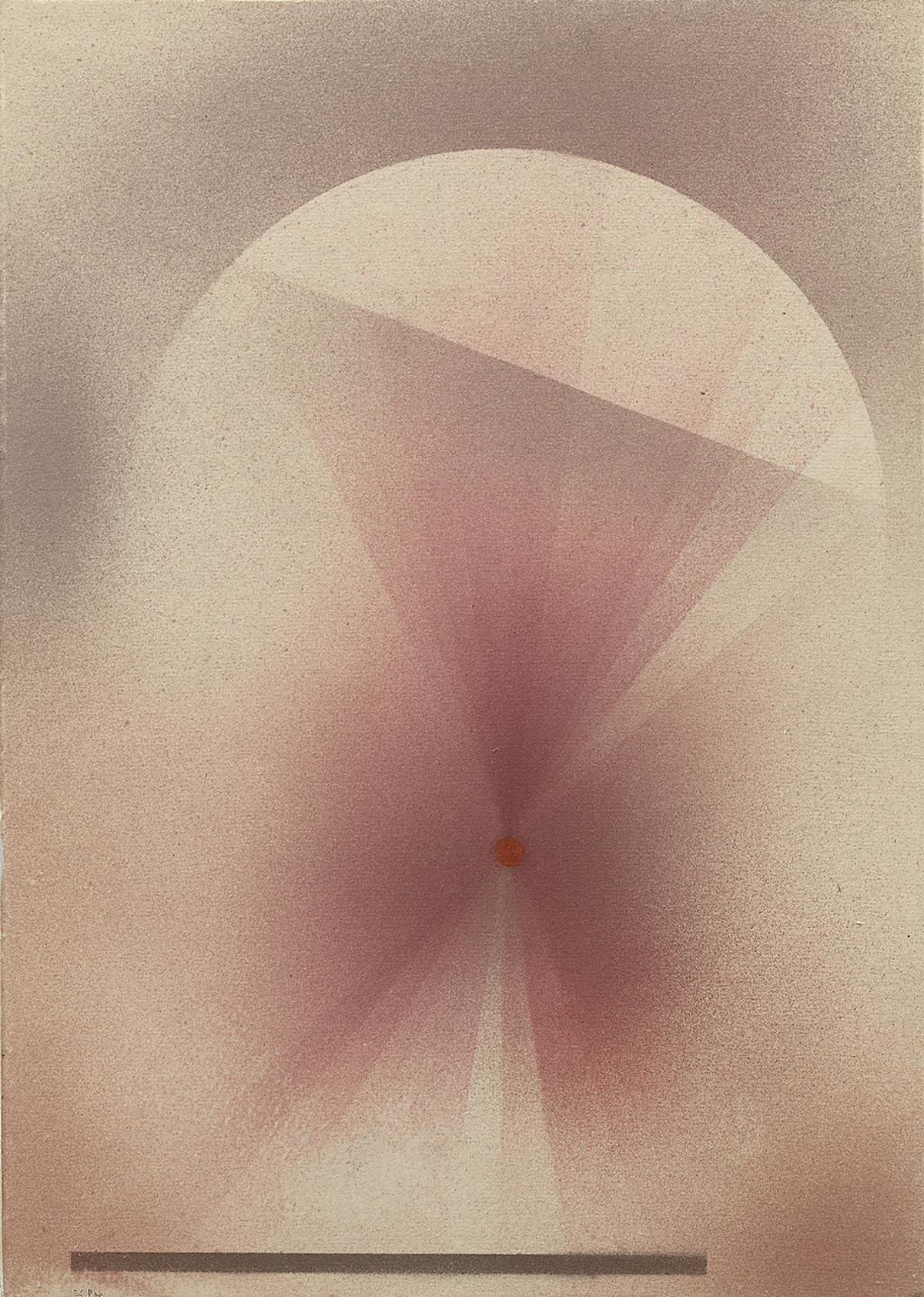
The Guggenheim announced the addition of Paul Klee’s 1925 watercolor "Horizon, Zenith and Atmosphere" to its modern art collection. The piece, measuring 37.1 × 27 cm, exemplifies Klee’s exploration of spatial perception through abstract landscape elements. A high‑resolution digital scan has been released, allowing scholars worldwide to study the work in detail. The announcement coincides with a broader exhibition of Klee’s early abstract experiments, underscoring his lasting influence on contemporary design.
Pulse Analysis
Paul Klee’s "Horizon, Zenith and Atmosphere" represents a pivotal moment in early 20th‑century abstraction, where the artist distilled landscape into geometric language. By juxtaposing a muted horizon with an elevated zenith and a nebulous atmosphere, Klee challenged conventional representation, inviting viewers to contemplate depth and light through minimal means. The Guggenheim’s acquisition not only enriches its European modernist holdings but also signals institutional confidence in Klee’s market relevance, a factor that often drives auction prices and private collector interest.
The release of a high‑resolution digital scan marks a shift toward broader accessibility in the art world. Researchers, educators, and designers can now examine brushwork, graphite lines, and pigment layers without traveling to New York, fostering interdisciplinary studies that link visual art with architecture, graphic design, and even data visualization. This digital initiative aligns with museum strategies to monetize online content while preserving delicate originals, creating new revenue streams and expanding audience engagement across continents.
Beyond scholarly value, Klee’s work influences contemporary creative industries. The painting’s abstract treatment of space resonates with modern branding, UI/UX design, and architectural concepts that prioritize simplicity and emotional resonance. As institutions spotlight such seminal pieces, market dynamics respond: auction houses report heightened bidding activity for Klee’s oeuvre, and emerging artists cite his techniques as inspiration. Consequently, the painting’s visibility may catalyze both cultural appreciation and financial investment, reinforcing the symbiotic relationship between artistic legacy and economic opportunity.
Comments
Want to join the conversation?